This is a guest post by cinematographer Angelo Lorenzo.
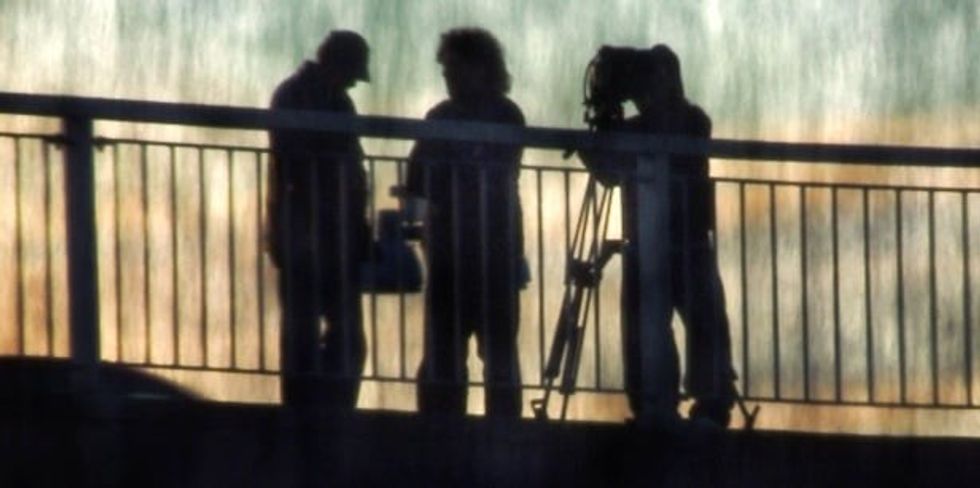
So there we were: my production partner rented some of our gear for a music video and roped both of us in to camera operate. The crew was made up mostly of film students still in, or just recently out of, an expedited 6 month film program. The director had bailed the night before principal photography and had left our DP in charge. Throughout the course of the two day shoot we watched the production slowly implode; not because these guys lacked knowledge or enthusiasm, but because they hadn't gained the experience to "turn the ship around" when a production starts sinking into turmoil. With this recent experience in mind, I wanted to share some advice to novice filmmakers to help their days on set go as smoothly as humanly possible. If you're battle worn then let this serve as a gut check when shooting lean.
1. You Need a Producer
I'm not talking about the guy with the gold chains and cigar "doing deals" in a Los Angeles high rise. I'm talking about a person totally available to help solve problems. A producer is there to help hire crew, wrangle in the Director if something is outside of their scope or budget, to help solve conflicts between or within departments, and to liaise with the location owners or rental houses. Larger productions have the ability to subdivide the work with a producer, a line producer, and a location manager -- but chances are an indie production will have all of these duties rolled into one.
2. You Need an Assistant Director
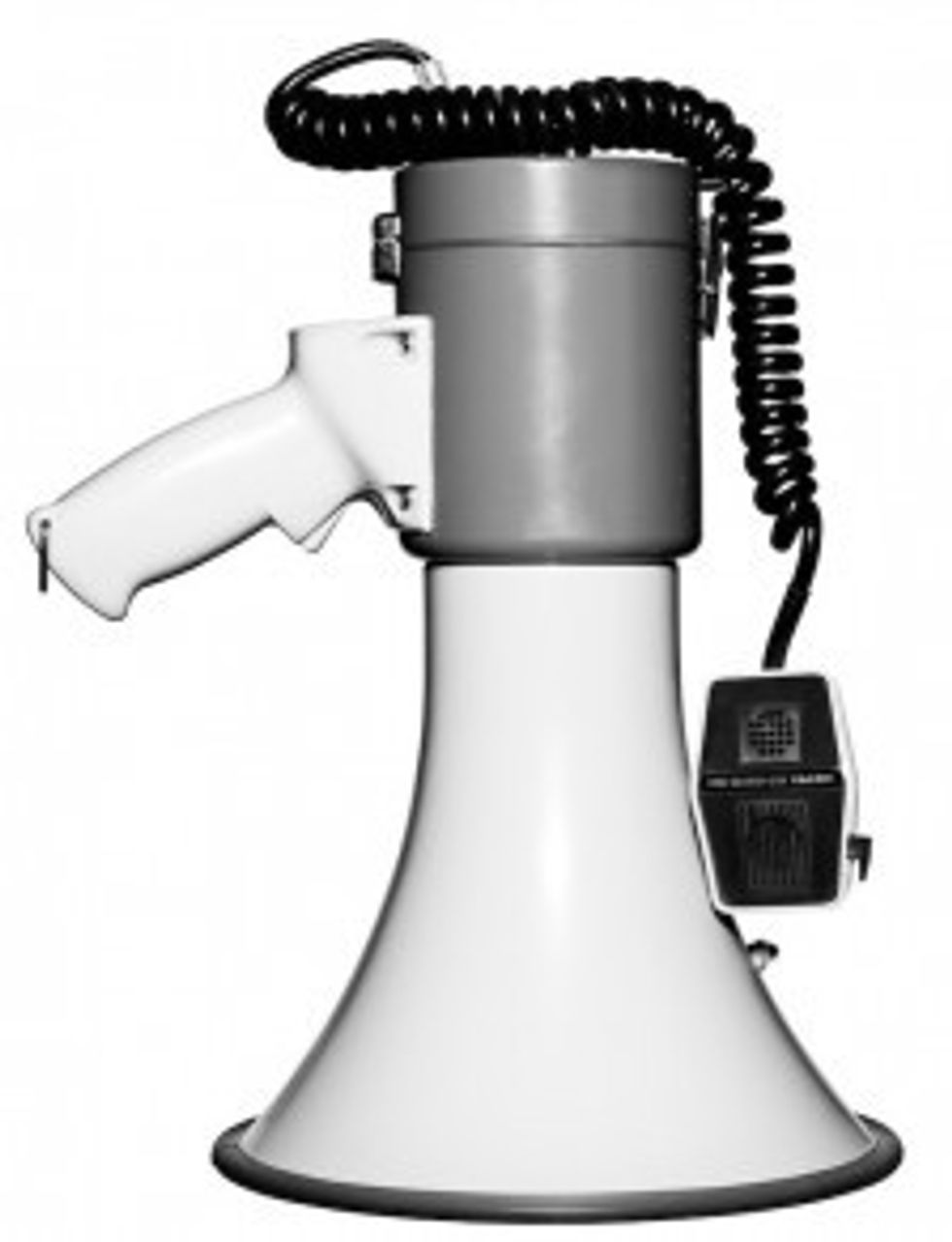 The assistant director position seems to be the most misunderstood or underutilized positions on a novice film crew. The best way to describe what an assistant director does is this: they make days. The assistant director keeps the crew on schedule by coordinating and applying pressure to each department. They aren't the assistant to the director or a co-director; they're divorced from the creative process and keep the technical end of a production running efficiently. While a producer may run a production as a whole, the assistant director is directly responsible for running the day-to-day. The AD is also the crew's safety officer, responsible for making sure the cast and crew are safe and doing their jobs in a safe manner. Because responsibilities are vaguely similar, on micro crews the producer could act as an assistant director. Wikipedia has an excellent article on the callouts an AD uses on set.
3. Stop Living Inside Your Head
We're creative people with active imaginations. You've been brewing this idea in your head for days, weeks, or months. You can't arrive on set with everything still in your head and expect to shoot efficiently. Whether you use full storyboards, a skeletal shot list, or something in-between you should check off your progress throughout the day.
4. Prioritize Important Coverage
When you shoot dialog, prioritize your shot list so you have your master and main reversal angles filmed first. Of course there are exceptions, but if your time is limited or you're inexperienced then this is a safety measure. Once these primary angles are shot, you can then check time and decide if you need inserts or punch-ins, or decide if it's time to move on.
5. Improve Your Reversal Angles
When shooting coverage on dialog scenes, you'll instantly improve the quality of your shots if you match the lens and camera distance on each reversal angle. This matches the size and general perspective of each actor which allows for smoother intercutting during editing. Subtle shifts in camera height can show a dominant and submissive relationship between characters (the restaurant scene between Barry Pepper and Philip Seymour Hoffman in the film 25th Hour is an excellent example).
6. Rehearse Blocking
When you move from scene to scene, you should consider running a rehearsal on-set for blocking (an actor's movement through the scene). While full rehearsals can drain an actor emotionally before the camera rolls, a more technical rehearsal can add life and movement to a scene and help you make the final call on where the camera should be placed for coverage. Once blocking rehearsal is done, lighting can be finalized, the camera moved into position, and shooting can begin.
7. A "Get It Done" Attitude
My production partner says "Complaining is like a rocking chair. It gives you something to do but it doesn't get you anywhere." And he is completely right, even if he did kind of steal the quote from Van Wilder. It's time to buck up and film something rather than waiting for everything to fall into place perfectly. You can almost always reshoot and you'd be amazed what you can actually use in the editing room. Rarely with low budget productions will you have exactly the equipment you want, the location that looks best, and so on. If you're the director or cinematographer, having a poor attitude because of technical or location issues can affect the morale of the whole crew. If you're facing a problem, step back for two minutes and figure a "second best" solution.
8. Get Comfortable
 Make sure you have plenty of water and crafty for the crew, wear good shoes, bring eye drops, and put on sunscreen on location. Remaining comfortable on set will keep you happy and less fatigued. Simple, but nothing is worse than a 12 hour day with your feet killing you because you wore cheap shoes.
9. Remain Flexible
This relates to #3 and #7. Many novice directors feel anxious when they see the discord between what they see in their head and what they see on-set. The key is to adapt to what is in front of you; happy accidents happen all the time. Remaining flexible also keeps you open to the creative input from your crew and talent. Working for an inflexible director can make the crew and talent feel oppressed and increase on-set stress.
[film crew photo by Aarah Macmillan, megaphone photo by Robert Nilsson, shoe photo by igloowhite]
 Angelo Lorenzo is a Los Angeles based cinematographer and camera operator that has worked on a number of commercial, music video, and film sets. When he’s not on set, he’s readying the launch of Films For Us, a platform that allows filmmakers to sell their films and shorts while blogging and connecting with their audience.