» Posts Tagged ‘rollingshutter’

Description image

It’s been one of my pet peeves ever since the advent of digital cinema cameras: at the same frame rate and shutter speed as a film camera, digital sensors looks more stroboscopic. There’s more jutter and I find it distracting. For a long time I couldn’t explain what I was seeing until Adam Wilt explained why in a piece about RED. Now Adam’s the first to bring my attention to a new product called a Time Filter from Tessive. If you want a smoother shutter rendering on your digital footage, this is a serious innovation — brilliant, in my opinion. More »

Description image

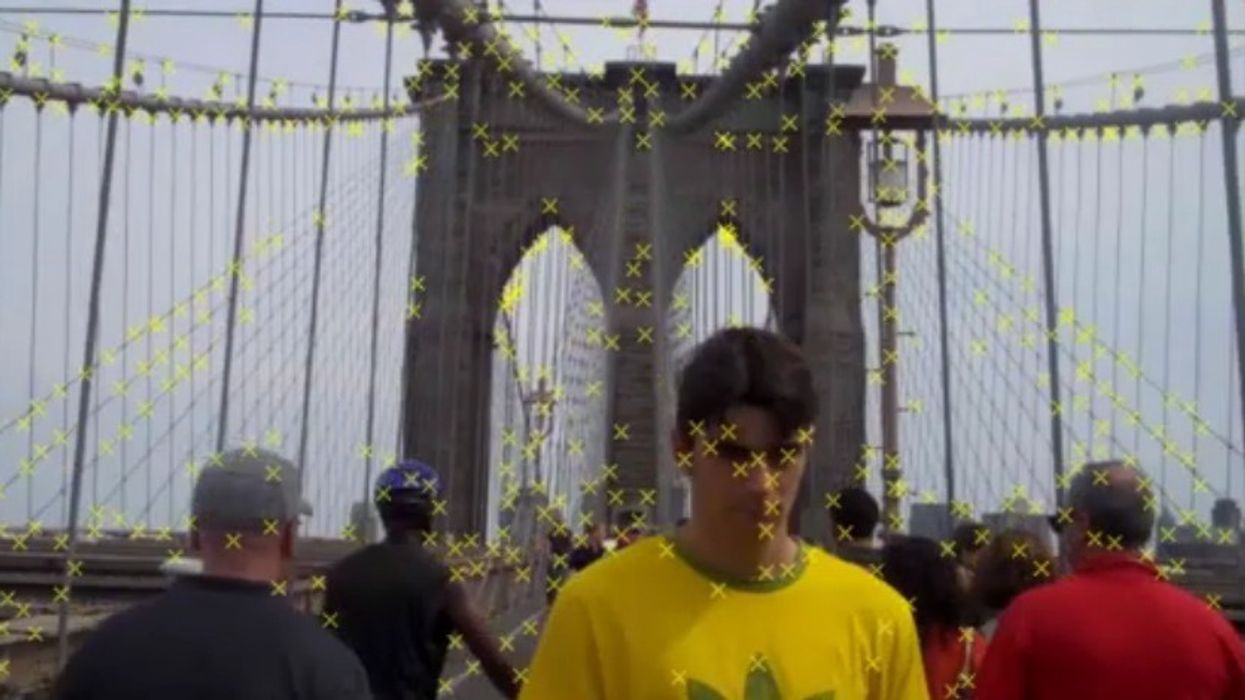
Adobe has just previewed “Warp Stabilizer,” a new After Effects-bundled tool that fixes camera shake and rolling shutter artifacting with a simple drag-and-drop operation. Or so they claim; their technology sneak peek certainly makes it look like magic. While there are plenty of camera stabilization plugins on the market, this one fixes camera shake across all axes and will presumably ship with the next version of After Effects (instead of requiring a separate purchase, like many stabilization plugins). One thing I had in mind as I watched this demo: 4K. More »

Description image

We all know one of the chief drawbacks to shooting with (current generation) DSLRs are the rolling shutter artifacts that show up on shaky or fast-panning shots. It turns out that iMovie ’11, in addition to interesting movie trailer templates, includes a filter that can decrease or eliminate these annoying artifacts. Here’s a comparison from Nino Leitner of some Canon T2i footage, before and after using the iMovie ’11 filter: More »

Description image

Rolling shutter, aka “jellocam,” is one of the chief drawbacks to shooting with large CMOS sensors. Other than to avoid whip-pans or shaky camerawork, however, there’s not much shooters can do about it in the acquisition stage; is there a good solution in post? CoreMelt is a software company that’s just released a Final Cut plugin designed expressly to reduce rolling shutter artifacts. More »