5 Tips for Avoiding Plagiarism in Writing
Keep these things in mind as you start plotting.
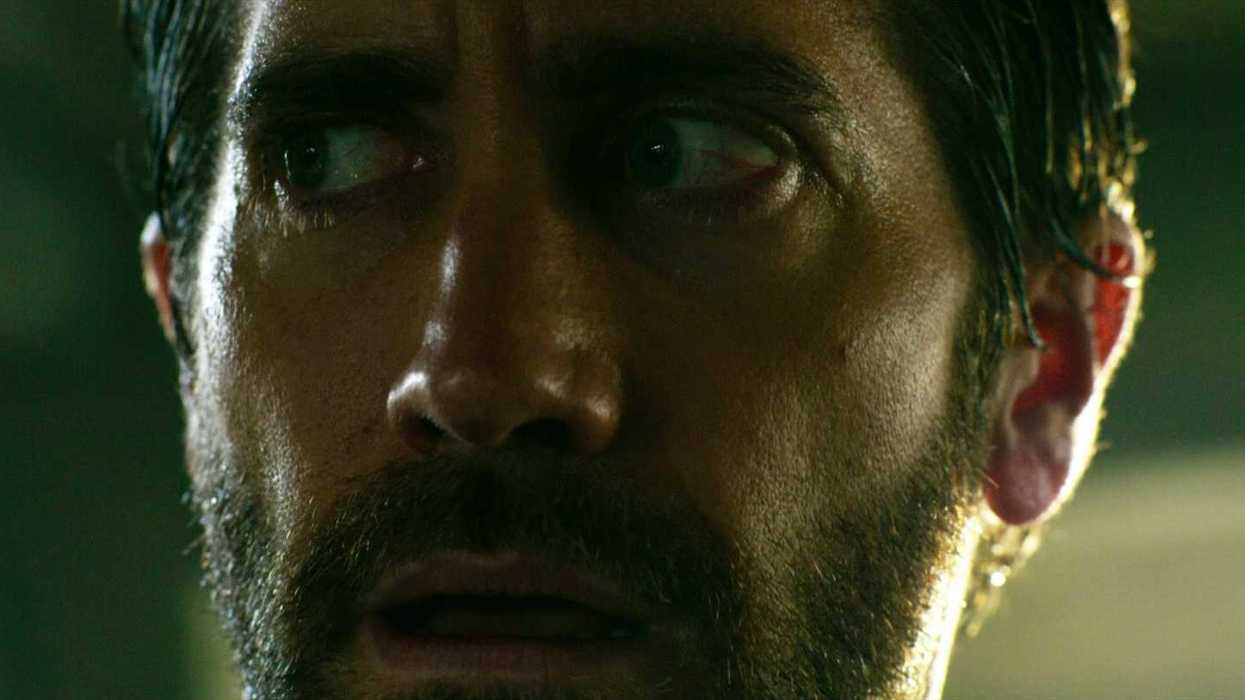
Ambulance
In writing, there's one nightmare that plagues a lot of us. We want to create work that is original and exciting, but as we start browsing tracking boards or buzzy titles on The Black List, we see someone else has had the exact same idea. Or there's another script with the very same title. Or, heaven forbid, you read something and somehow see a character with a similar name going through the same beats.
Plagiarism, even if accidental, is something all writers should want to avoid.
Writer Brandon McNulty breaks down the difference between inspiration and plagiarism and offers tips for writers who want to learn from other stories without copying them. Check out his video below.
- YouTube www.youtube.com
What Is Plagiarism?
Plagiarism is taking someone else's work and passing it off as your own. It's copying a story without incorporating anything new or original. It includes using someone else's specific idea without permission or credit.
One of the most famous cases of film plagiarism involves Akira Kurosawa's 1961 movie Yojimbo and Sergio Leone's 1964 movie A Fistful of Dollars.
Both films follow a warrior who visits a town controlled by two crime families, manipulates the criminals into fighting each other, gets beaten up, and eventually battles the criminals himself. Fistful was an unofficial remake with the same plot points, characters, and themes.
This eventually led to a lawsuit, and Yojimbo's studio ended up receiving over $100,000 and 15% of Fistful's total box office gross.
If I watched Star Wars and wanted to tell a story about a young man with magical powers who traveled to space, I would probably be okay. Not so much if he happened to wield a laser sword and had an asthmatic dad.
Inspiration, on the other hand, is the enthusiasm you get from other stories that helps you generate new and creative ideas. You can borrow simple ideas, basic plot lines, and smaller elements to build something new.
How do you walk the line between inspiration and plagiarism?
Our own Jason Hellerman talks about starting from someone else's logline and working backwards to give it his own spin. Filmmakers like the Coen brothers have been known to riff on existing stories and make them their own. For example, they did a play on Greek literature with O' Brother Where Art Thou?
Know That No Story Is 100% Original
Don't pressure yourself into thinking you have to write a story that has never been done before. Audiences crave what is familiar, but they want to see familiar ideas expressed in new ways. It's the writer's job to take ideas and build new stories from them.
The single greatest obstacle for any writer isn't a lack of good ideas; it's the paralyzing fear that the words won't be perfect.
- YouTube www.youtube.com
Draw Inspiration from Multiple Sources
You might really like Jurassic Park, but you don't want to just retell Jurassic Park's story. If you want to tell a dinosaur story, maybe you'd combine it with something off-the-wall like All the President's Men. Suddenly, you've got a story about investigating the underhanded dealings of a billionaire trying to create a T-rex... or something in that vein. Feel free to workshop that.
Look for inspiration in more than one place. Draw from different genres, different stories, from real life, from history.
An example McNulty uses is Captain America: The Winter Soldier, a superhero movie that drew inspiration from conspiracy thrillers like Three Days of the Condor, The Parallax View, and Marathon Man. It also included a subplot that echoed Return of the Jedi. In Winter Soldier, Cap tries to pull his friend Bucky back to the good side like Luke does with Vader.
Combine Your Ideas with the Inspiration
When you're drawing inspiration from multiple sources, consider how you can merge your own ideas with the ones that inspired you.
The Winter Soldier writers took a superhero story and combined ideas from 1970s conspiracy movies and from Return of the Jedi. Mixing all of these elements together created something both familiar and new.
Once you have all your inspiration put together, your characters will likely experience this mixture in a new way. Not every original character would move through Winter Soldier like Cap and Bucky. It would be a new story.
Directors like Quentin Tarantino are masters at "stealing" ideas — okay, not stealing, but taking inspiration from other filmmakers and adding his own unique style to create something entirely new.
Bring Something Uniquely You to the Story
This could include things like voice, perspective, character, world-building, tone, humor, fantasy elements, and so on.
The point is that you want to take a piece of yourself and inject it into the story in some way. It could be big or small, but it should make a difference. It should be like your own personal stamp on the story.
Stephen King's Salem's Lot is a great example. The book was inspired by Peyton Place by Grace Metalious, a small-town drama set in New England that explores the town's people and their dark secrets.
King said that when he wrote Salem's Lot, he thought of it as Peyton Place meets Dracula. It's about a small New England town that gets overrun by vampires. The supernatural element is what makes the story unique.
- YouTube www.youtube.com
How You Execute Your Story Will Make It Yours
If 10 people are given an idea, they will write 10 different stories. This is because of things like perspective, influences, education, personal interests, skill level, emotional state, and more. All these things factor into how an author approaches their work.
That's why it's important to learn about the craft and write as often as you can. If you understand what makes a story good, you can play around with different details to create a unique work.
Take I Know What You Did Last Summer and Urban Legend, two slasher films that arrived within a year of each other in the late 1990s. Both feature college students being stalked by a killer seeking revenge for a past incident involving a deadly car accident.
In I Know What You Did Last Summer, the killer wants revenge on the kids who left him for dead in a hit-and-run, while in Urban Legend, the murderer is also seeking revenge against college students who caused a car accident that killed the murderer's boyfriend.
Urban Legend was criticized for being close to Last Summer, but at least it took a different approach by having its killer recreate famous urban legends, such as using Pop Rocks and soda as murder weapons and attempting to steal characters' kidneys.
Maybe you could take a familiar idea and put it in a new genre. This is how we get familiar horror stories as comedies, like Renfield.
One way to make a story yours is through voice. Learn how to find your voice as a filmmaker.