36 Years Ago: Scorsese Reinvented the Mob Movie — AFI Later Ranked It No. 2 in the Genre
"As far back as I can remember, I always wanted to be a gangster."
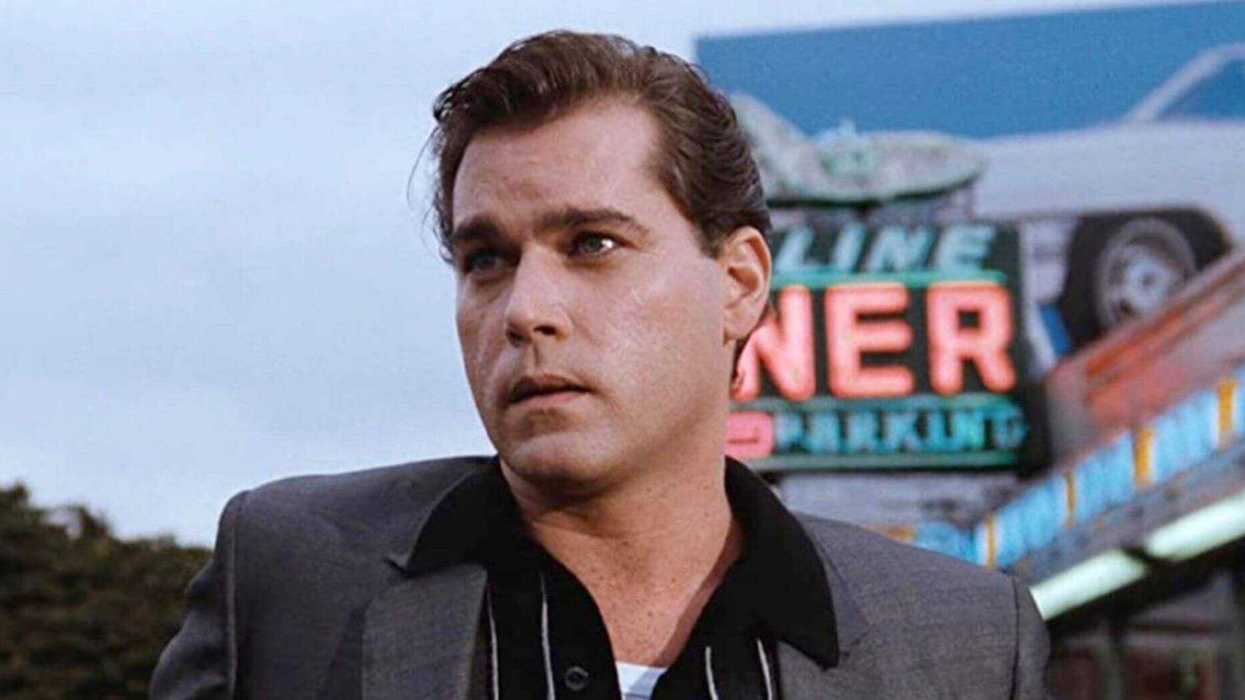
'Goodfellas'
When I was in 8th grade, my buddy's parents rented Goodfellas from Blockbuster, and we stole the videotape from them and watched it in his basement. It was my first introduction to Martin Scorsese, and what can I say? I was seduced by the gangster lifestyle.
Goodfellas became one of my favorite movies, and I knew I had to see everything in the gangster genre.
Today, I want to dive into the lore around the movie and talk about why, almost 40 years later, we're still talking about Henry Hill and his criminal antics.
Let's dive in.
- YouTubewww.youtube.com
The Gangster Lifestyle
When Goodfellas hit theaters in September 1990, the crime genre was still largely defined by Francis Ford Coppola’s The Godfather (1972).
That was the gold standard, and every other gangster movie since had to be judged against it. And for the first time, the buzz was that there was a competitor (outside of Godfather 2)
Coppola's movie world was based in reverence, shadows, and whispers. But Scorsese was out here with a movie that felt like the opposite. It was bombastic and bragadocious. These were gangsters who embraced the lifestyle and title. They weren't trying to run an empire; they were living fast.
It was white-collar gangsters versus blue-collar gangsters, and it did a lot to show how diverse the world is and to open the genre up to other people who wanted to tell stories about these kinds of people.
Goodfellas was a hit with critics and audiences. It brought the genre roaring back, and when the American Film Institute later released its 10 Top 10 list for the Gangster genre, Goodfellas locked in the No. 2 spot, sitting right alongside The Godfather and ahead of The Godfather: Part II.
So what else was so special about this movie?
1. Kinetic Editing and the Death of the Slow Burn
I think one thing most gangster movies had in common up until 1990 was that, no matter how long the story they told, they were more of a slow burn; I was about rising and falling. They were contemplative.
But Martin Scorsese and legendary editor Thelma Schoonmaker threw that rulebook out the window.
They wanted a movie with energy; they wanted you to feel like a gangster and to get the rush of it. So they tightened the editing and used a ton of camera moves to make you feel like your ascent was tied to Henry's, and the editing was paced to that fact, too. When Henry was on coke, you kinda were too.
We had freeze frames, whip pans, and tracking shots that had so much movement. By the time the drugs took over Henry's brain, we felt like we were being followed and sent to prison as well.
- YouTubewww.youtube.com
2. The Camera Work and the Copacabana Shot
Scorsese didn't just want you to watch Henry Hill (Ray Liotta); he wanted you to understand why a working-class kid would fall in love with the mob.
What was it about being a gangster that pulled Henry Hill into this world?
Well, that's what brings us to the famous shot that took Karen and the audience into a world where we were totally okay looking the other way.
Cinematographer Michael Ballhaus and Steadicam operator Larry McConkey brought us The Copacabana Long Take, which is the most remembered from the film.
It's the ultimate "Show, don't tell" as the camera walks us down the side entrance, through the noisy kitchen grease traps, past cooks, and straight to a front-row table dropped in by a waiter who knows Henry's name.
We knew why this was fun and exciting, and we bought into it too.
- YouTubewww.youtube.com
3. Pop Music as Narrative Counterpoint
Before Goodfellas, mob movie scores were traditionally designed to match the emotional tone of a scene.
Scorsese chose ironic juxtaposition instead.
He wanted the music of the times. We heard what these guys heard; it was their music, and the music that defined the eras in which they were working.
Think about the "Layla" montage of mobsters being executed across frozen NYC garbage trucks.
This stuff just puts us in the world and exudes vibes that feel tangible.
- YouTubewww.youtube.com
The Legacy
When you watch Paul Thomas Anderson's Boogie Nights, David O. Russell's American Hustle, or Martin Scorsese's own The Wolf of Wall Street, you are watching the direct stylistic children of Goodfellas.
You can even see the reverse in The Irishman, where Scorsese decided to slow it all down for a story about death and memory.
Goodfellas stays fresh because it inspired a generation, and it switched up what people thought were the rules around mob movies. It gave you something with so much more energy and a voice that was undeniable.
Let me know what you think in the comments.