When people hear that my feature film Contradiction was made with a zero-dollar budget, they usually imagine a chaotic production held together by luck.
Parts of it were.
Over nearly a decade of writing, filming, and editing, I realized that no-budget filmmaking is less about surviving limitations and more about learning how to see cinematic value in the world already around you. I started building scenes around real environments, unpredictable moments, and whatever opportunities reality gave us that day.
Audiences respond to honesty long before polish.
Start With Access, Not the Script
One of the biggest mistakes I see aspiring filmmakers make is writing the movie first and trying to solve production later.
For Contradiction, I started by listing everything I already had access to: rooftops, empty offices, downtown streets at night, abandoned locations, friends and family willing to help, and environments with natural atmosphere and texture.
Some of the most cinematic places already exist around you if you are willing to look. An empty parking garage at 2 a.m. already has production design built into it. Magic hour is a giant softbox in the sky that costs nothing.
Some of the best locations in Contradiction were places only locals would know existed.
That approach changed the writing process entirely. Instead of asking, “How do I get the resources to make this scene?” I started asking, “How can this story only exist because of the resources already around me?”
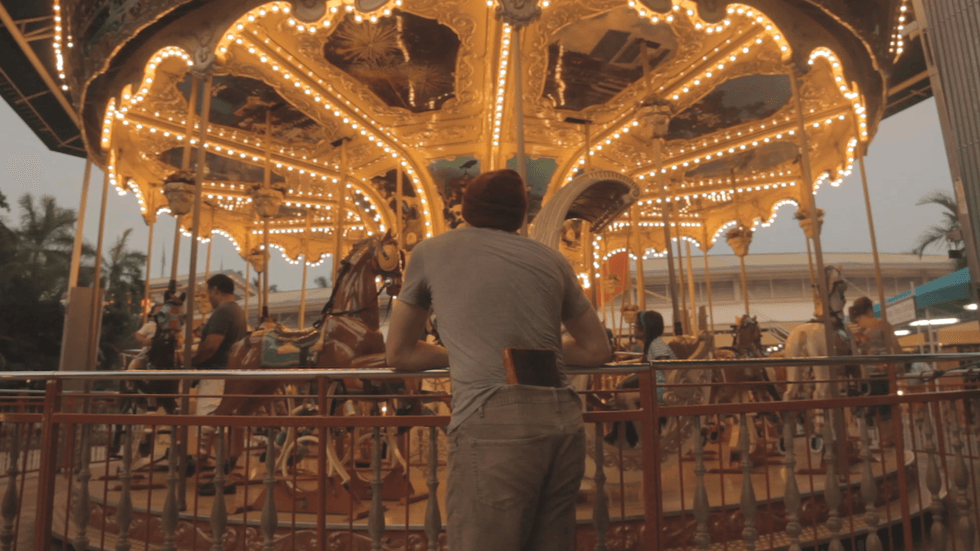 'Contradiction'Credit: Kafka Media Group
Use Your Limitations as a Style Guide
Some of the most useful creative decisions in Contradiction came directly from limitations.
We moved quickly with tiny crews, which made the camera feel instinctive and reactive instead of rigid and over-planned. The gritty, immersive, and observational style of the film emerged naturally from that process. Many scenes felt closer to observing real moments than staging them.
Most of the actors were not formally trained, so we filmed chronologically whenever possible and often gave them material shortly before filming. They needed to learn information as the characters did so their reactions would feel immediate instead of overly rehearsed.
Over time, I stopped treating unpredictability as something to hide and started treating it as part of the language of the film itself.
Instead of constantly asking, “How do we control this?” I started asking, “How do we incorporate this?”
Trust Is More Valuable Than Budget
No-budget filmmaking runs on trust.
People are not showing up because of large contracts or guaranteed distribution. They are showing up because they believe in the experience and the story we are telling.
Actors need to feel safe enough to take risks. Crew members need to feel respected. If people are donating their time, preparation matters even more. Efficiency matters. Honesty matters.
For one sequence, we had a single chance to capture an actor jumping from a bridge into the ocean before police sirens forced us out of the area. There was no backup setup and no second attempt. The only reason moments like that worked was because everyone trusted each other completely.
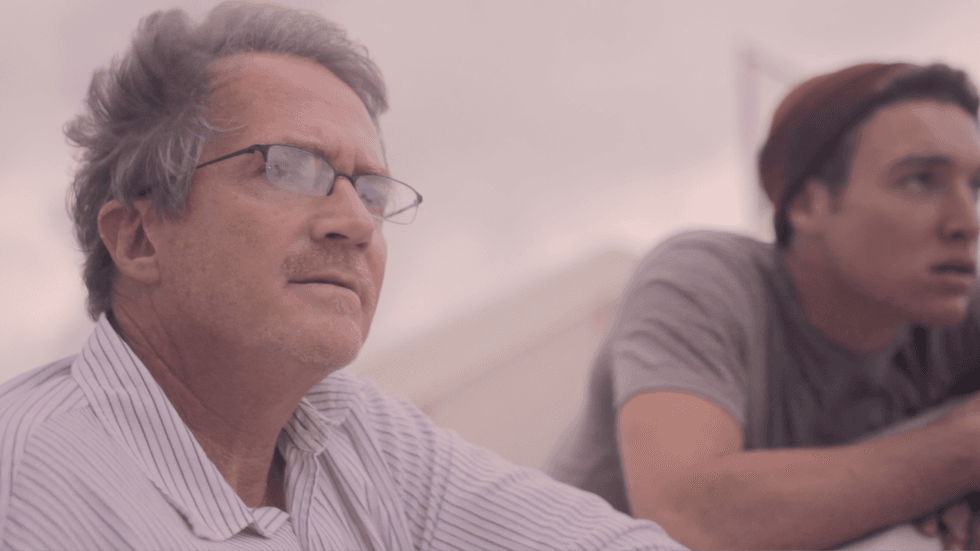
The most common feedback we have received from filmmakers at festival screenings has not been about the budget. It has been about the performances. Many of the strongest moments in the film came from creating an environment where actors felt comfortable enough to stop protecting themselves and fully exist inside the scene.
 'Contradiction'Credit: Kafka Media Group
Tell the Story Only You Can Tell
Growing up, filmmaking became an escape for me long before it became a career. I spent years feeling more comfortable observing life than participating in it. Eventually, I realized those instincts were shaping not only the story of Contradiction, but the way I was directing it.
No-budget filmmaking is not easier. In many ways, it is harder. But when a story feels necessary, you adapt around limitations instead of waiting for perfect conditions.
After spending years learning how to make zero dollars feel cinematic, I find myself increasingly interested in what these same ideas could become when combined with larger-scale production. That perspective is now shaping my adaptation of Franz Kafka’s The Metamorphosis.
If you are telling the story you believe needs to be told, and only you can tell it, you will find a way to make it. And when the production itself is shaped around that story, audiences can feel it.