Visual effects are no longer just for massive tentpole blockbusters; they are a crucial, practical part of modern storytelling, even in the grounded world of slasher films.
But how do you ensure a CG effect shot on location perfectly matches the live-action footage and the post-production team's needs?
That's the job of a VFX Data Wrangler.
We sat down with Morgan Wright, who recently served as the VFX Data Wrangler on the new I Know What You Did Last Summer sequel. Morgan’s role is one of the most vital, yet often unseen, jobs on set: capturing the essential data that allows the post-production magic to happen.
We discussed the day-to-day grind, the specific challenges of recreating an iconic location from the original film, and what it really takes to get your foot in the door of an on-set VFX career.
Let's dive in.
- YouTubewww.youtube.com
NFS: Can you describe what your day-to-day responsibilities were on the set of I Know What You Did Last Summer and what your toolkit looks like?
Morgan Wright: As a VFX Data Wrangler, my day-to-day responsibilities are tracking cameras, capturing lighting references with chrome and grey balls and 360-degree HDRI cameras, and filming reference or witness plates with Blackmagic Pocket Cinema Camera 6K Pros.
NFS: What was the single most challenging scene to gather data for? Was it a complex stunt, a difficult location like the boat, or a specific practical effect involving the Fisherman's hook?
MW: The most complex scene was recreating the road where the person is killed from the first one. Reaper's Curve. Filming it in a different country, we pre-vis'd the scene and match-moved several plates, using Blackmagic cameras for background plates, sky plates, and witness cameras. We used a practical hook for lighting reference and replaced the rubber hook when needed digitally.
NFS: How did you communicate the technical needs of the post-production team to the on-set crew?
MW: The on-set supervisor, Jon Dearing, whom I have worked with before, is extremely talented and knowledgeable in knowing what they needed to capture on-set, such as textures, clean passes, and lighting references.
NFS: Is there a specific shot in the final film that you're particularly proud of?
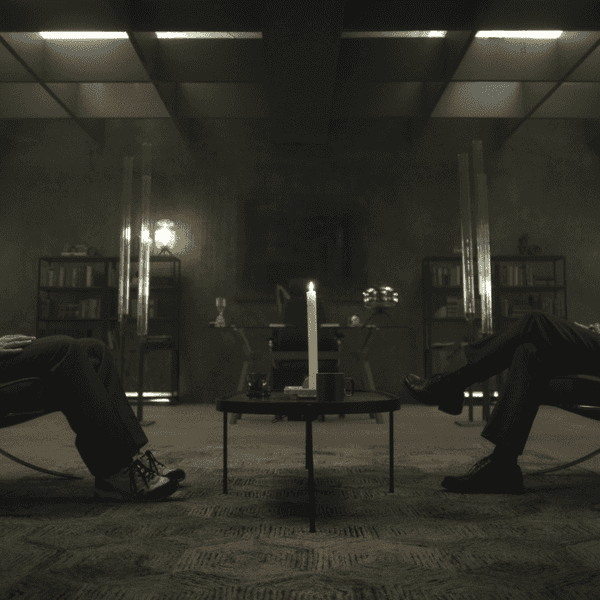
MW: The lounge room harpoon kill was particularly fun. A mixture of practical and digital, it was Jon who corrected the movement of the actor to help facilitate the requirements of VFX.
NFS: What's the single biggest piece of advice you'd give to someone wanting to get into on-set VFX work today?
MW: Have a good understanding of cameras, set etiquette, and an understanding of what will be useful in post-production. VFX is there to support the film, not overtake it, and the best on-set supervisors and teams glide in to support any department when it is required. Like in post, if you are given the time to do the work properly, you will see the best results. The same thing applies to on-set.
This article was brought to you by Blackmagic Design. For more horror filmmaking interviews and insights, check out the rest of our Horror Week 2025 coverage here!