Why Pixar Doesn't Write for Kids
Listen to advice from Andrew Stanton that will make you a better writer.
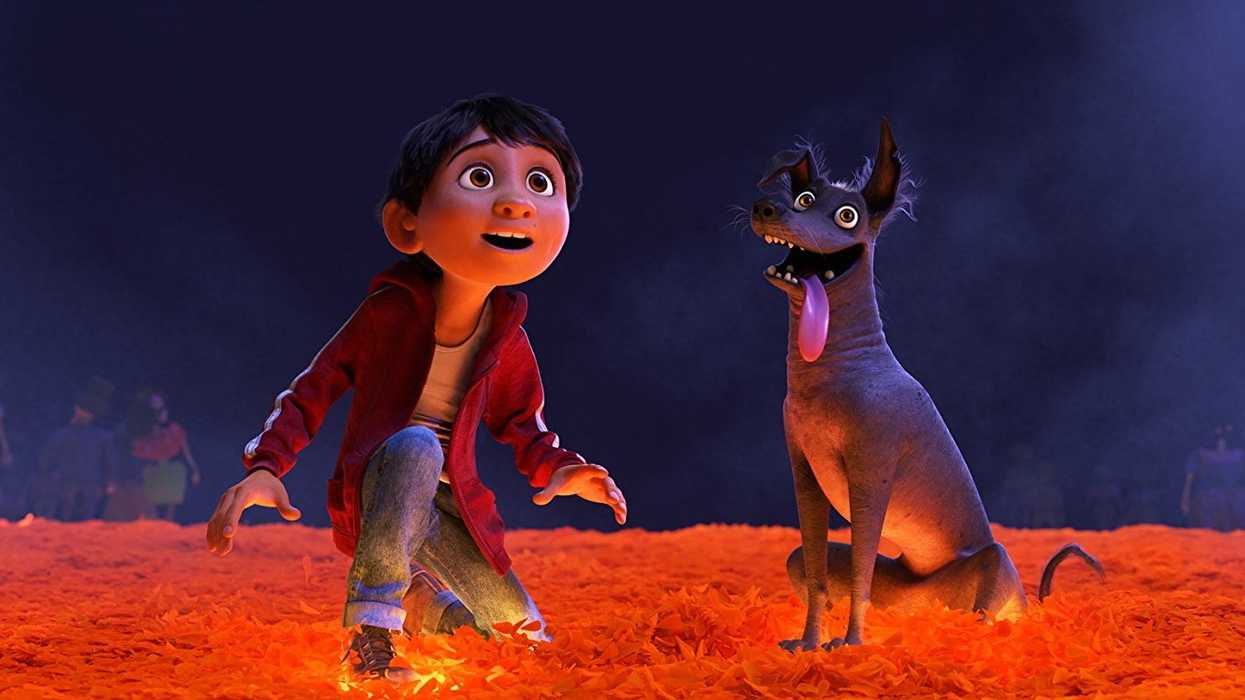
'Coco'
Now that I have a kid, I find myself watching a lot of Pixar movies. I have plenty of favorites, and I am enjoying many of the ones I missed over the years as well.
When I see the little lamp jump onto the screen, I tend to think we're about to watch something for my son. According to Oscar-winning Pixar director and writer Andrew Stanton (Finding Nemo, WALL-E), the secret to Pixar’s universal storytelling isn't targeting kids at all; it's writing for themselves.
In a candid conversation with David Perell, Stanton pulled back the curtain on Pixar's writing philosophy, and I think it contains a lot of lessons for our readers and me.
Let's dive in.
- YouTube www.youtube.com
1. Write for Your Own Inner Child
Okay, so this video was cool because it separated the kind of writing that others consider dumbing down and the kind of writing you consider good.
As Stanton says...
"We've never written for kids... We've just written for ourselves, so I guess we're just immature. We've never left our childhood."
If this is a bit of a reverse calculation, the idea is you're not trying to write for a kid; you're writing what you would want to see and what excites the other people in the room.
That way, the stories are rooted in emotional truth, and they have universal appeal. That's kind of the trick of Pixar: you get everyone buying into them, not just kids.
2. Blend Nostalgia with Cinema Literacy
The part I found to be my favorite in the video was Stanton kind of embracing that with age comes knowledge, and we shouldn't shy away from that. It's actually smart to embrace and use homage and pastiche for older works to draw viewers in and to give kids a little sense of art.
To me, this is like feeding a baby elegant food; they don't really know it, but it's good to get them used to the taste.
Think about how in Wall-E we get classical movies and silent film stuff? Or even the food in Ratatouille.
As he says...
"You've gained all this wisdom and culture from watching more adult movies and books... Your palate broadens and you want to bring all that back to the table. You loved Sesame Street, Monty Python, Bugs Bunny, Walt Disney... and you didn't want to give that up simply because you were growing up and enjoying Lawrence of Arabia, A Clockwork Orange, and ...Pulp Fiction."
3. Never Underestimate Your Audience
One of the pitfalls writers encounter when creating material for any age group is assuming what people will and will not understand, instead of simply giving them the best version of the story.
You don't have to stress about kids understanding high-concept nuances and emotional beats; you just have to give them a story that makes them feel, and they will engage with it.
It's also better to be a little complicated and to make them directly address emotions. It can make them feel mature and like the movie is sucking them in instead of talking down to them.
As Stanton points out:
"I've never worried for five seconds about a kid understanding what we're doing. Kids are really good at trying to figure out what the adults are talking about."
Summing It All Up
The summation and answer to all of this is just to write stories that genuinely move, challenge, or entertain you. If you are bored or pandering, the audience can sense it and will push that away.
You should be out there trying to write your favorite movie and then see what universal themes can beckon people in.
Let me know what you think in the comments.