Writing a great opening to your screenplay is so important to breaking into the industry. It's your first opportunity to wow a reader and to keep them going past page 11.
And it really is your introduction to the town.
But a lot of people get stuck on these pages. They're overwhelmed by the pressure and also just have no idea what a professional reader is looking for when they're scanning their words.
Today, I want to dig into that and give you a strategy to conquer these words and keep going in your next masterpiece.
Let's dive in.
Why The First Ten Pages Of Your Screenplay Matters
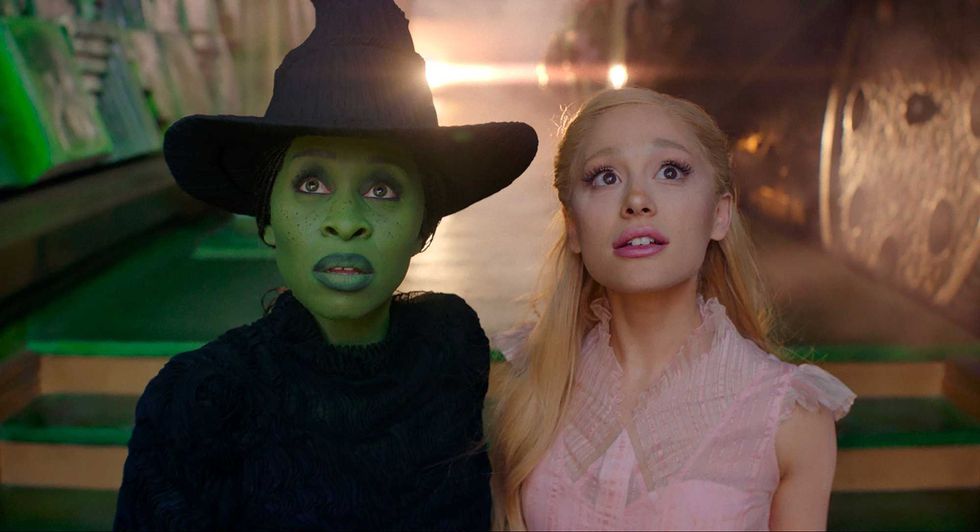 WickedCredit: Universal Pictures
Listen, we’ve all heard the industry scuttlebutt that a reader knows if they’re going to pass on your script by page ten. Some say it’s page two.
I know a guy who passes on page one. But he seems lazy to me.
It sounds harsh, but it’s the reality of the ecosystem. I want you to hear that and confront it.
Because there's actually a lot you can do to beat this system.
The Deal with the Audience
The first ten pages are where you make a deal with the reader. You’re telling them the genre, the tone, and the stakes.
If you’re writing a horror movie, I need to feel a sense of dread. If it’s a high-concept comedy, I need to laugh immediately.
The reader has to know what they're in for so they can understand the movie you'd make from this blueprint and embrace it.
The Normal World
We need to see the protagonist in their element. Tell us, the internal or external problem that makes this character ripe for change.
In those first ten pages, you aren't just showing us who a character is; you’re showing us what they’re missing and what they need out of life.
The Voice
Do you have what it takes to stand out on the page? This is the "architectural engineering" of screenwriting. By page ten, your specific voice should be undeniable.
- Is your description lean and evocative?
- Is your dialogue doing the heavy lifting of subtext, or is it just "on-the-nose" exposition?
- Do the pages have white space, or do they look like a dense novel?
Efficient Worldbuilding
The best scripts use those opening minutes to show us how the world works through action and character. If it’s a suburban noir, don’t tell us the neighborhood is claustrophobic; show us the way the neighbors watch each other through half-closed blinds.
Momentum is Everything
Getting to page ten is great, you want them getting to page 110. People get tired of reading; you have to keep them leaning in.
If those first ten pages are high-velocity, you’ve earned the right to slow down later when you need to get out more of the story.
The Opening Image (Make it Count)
Don't start with a clock ringing or someone brushing their teeth. Everyone has done these to death. They are cliched and boring,
You need a visual hook or a moment of intense drama that demands attention.
A Character Worth Playing
You need to introduce your protagonist fast. Give them a distinctive personality and make them someone an A-list actor would actually want to play.
They don’t have to be likable, but they absolutely have to be interesting.
The Internal and External Problems
What is the central conflict in your protagonist's life? We need to understand the stakes. If they don't get what they want, what do they lose?
Throw the Rock Through the Window
You need an inciting incident, or an event that upends your character's status quo and sends them into the story.
Master the Art of Subtext
Stop spelling everything out. Use subtext to give us clues about what characters really mean when they talk about something. Layer it in there.
Show, Don’t Tell
Focus on visual storytelling. If a character is "messy," don't tell us in the character description; show them looking for their keys in a pile of laundry.
The "Keep Reading" Twist
Think about adding a plot twist or a major revelation within those first ten pages. Or give the reader a question they need answered so they keep going.
Summing It All Up
Now that you've got the blueprint, it's time to write! Don't be afraid to experiment, and remember, those first ten pages are your chance to show the world what kind of storyteller you are and your shot at hooking them for the next 100.
Now, get back to work!