How These 4 Plot Devices Are Used in Horror Movies
Get your screenplay in working order by following these helpful genre tips.
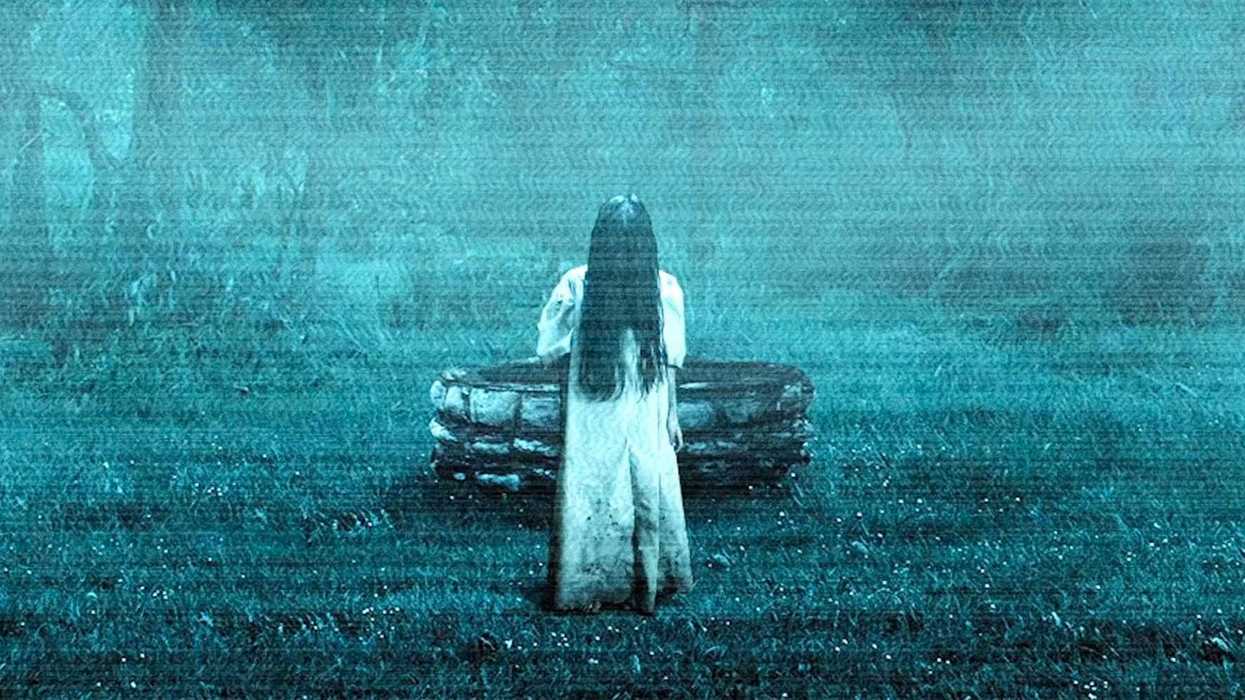
'The Ring'
I think every writer I know has been in this situation: You’ve got a killer concept, a monster that’s genuinely creepy, and a protagonist you love. But you still can't figure out a way to get your idea onto paper. Why? Because coming up with a scare is one thing; building a story around them that's satisfying and has legs is much harder.
How do you build the tension? How do you move the plot from one terrifying set piece to the next without it feeling cheap?
Sometimes, the answer to a great horror movie lies in the plot devices.
These aren’t clichés. They're tools you can use to get through your script and to keep the audience on the edge of their seats.
Let's dive in.
1. The Cursed Object
What we'd normally call a MacGuffin in any other genre, we actually just call a cursed object in horror.
Basically, this is a tangible thing your character can find, touch, and immediately regret because it sends the world spiraling.
How it works for the writer: This is your delivery system for the rules of your world. The Cursed Object gives your protagonist (and your audience) a clear, immediate problem that has to be solved.
Look at the masters:
- The Tape in The Ring: The object provides the plot, the rules (“seven days”), and the ticking clock all in one. It’s a masterclass in efficiency.
- The Hand in Talk to Me: The hand allows the kids to create their own rules around it, which they then break, leading to devastating consequences.
- The Box in Hellraiser: You solve the puzzle, you get the Cenobites. This is so simple, but also actually scary. The stakes are etched right onto the object itself.
- YouTube www.youtube.com
2. The Ticking Clock
What stops your main character from just calling 911 and leaving the problem behind? Enter the ticking clock. This is a screenwriter’s best friend for a reason: it forces your characters to act.
How it works for the writer: A Ticking Clock injects immediate stakes. We understand there is a countdown happening, and people can't rest; they have to move fast. This is built-in narrative momentum.
Look at the masters:
- The Saw franchise: the machines that will kill you put your characters in high-stakes ticking clocks that reveal what they're willing to go through in order to live.
- The Ring (again): The “seven days” rule is so effective because it turns the entire second act into a frantic investigation while the days click by.
- YouTube www.youtube.com
3. The Red Herring
Your audience is smart. They’ve seen a thousand horror movies. They’re already trying to figure out who the killer is from the first frame.
Your job is to be smarter than they are.
And that's why you have to plant some red herrings.
How it works for the writer: You deliberately point your audience’s suspicion in the wrong direction and trick them so they don't see the killer coming. You are weaponizing their expectations against them.
Look at the masters:
- Scream: The movie constantly makes you suspect different people at different times, as motivations are laid out. And then it kills them. And then they come back to life. It's dizzying and fun.
- Psycho: Hitchcock built the best Red Herrings with “Mother.” We think she exists only to have the rug pulled out in the final scenes.
- YouTube www.youtube.com
4. The ‘Everything Goes Wrong’ Device
We all know Deus Ex Machina—the god from the machine that swoops in to save the day. Horror allows the writer to be a sadistic god, so that if anything can go wrong, it does, and it hurts the characters.
How it works for the writer: Your character is about to escape, but something goes wrong and ruins it. This isn’t just bad luck; it’s the universe of your story actively conspiring against your hero. That's the stuff that really works and makes it that much harder for your characters to complete their goals.
Look at the masters:
- Every Slasher Ever: The car that won’t start in The Texas Chain Saw Massacre. The phone lines are being cut in Black Christmas. These aren’t accidents; they are narrative choices designed to maximize helplessness and terror.
- YouTube www.youtube.com
Summing It Up
Take these structures and innovate on them. Subvert them. Combine them. Find your vice on the page and force your characters to make hard choices or put them in NP-win situations.
This is the joy of writing horror! Have fun and freak out your audience.
Let me know what you think in the comments.