Horror is undergoing a seismic renaissance as I type this, and we're pretty lucky to be around enjoying it right now.
With movies like Sinners and Weapons crushing at the box office this year, it feels like the genre can make anyone's dream come to life, and it's where some of the most original storytelling comes from.
While the wider film market contracts and studios hunt for "safe bets," horror has become the industry's most reliable and creatively explosive genre.
It's a space where a $2 million indie juggernaut can out-gross a studio tentpole, and where the most personal stories are finding the biggest audiences.
But what does this boom feel like from the inside? We spoke to six filmmakers, from DPs on major studio slashers to directors crafting the next generation of shorts, to get their take on the current state—and thrilling future—of horror filmmaking.
Let's dive in.
The Current State of Horror
The consensus is clear: horror is no longer just about the scare. Filmmakers are smuggling in complex themes and using the genre's framework to explore everything from grief to cultural identity.
It's one of the easiest genres to mash up and to deepen themes while still being viable at the box office.
"Horror feels more alive than ever right now," says Raymond Mendez, a producer whose work includes Don’t Ignore Me. "Filmmakers are using it to talk about real issues like mental health, technology, and identity, which makes the stories feel personal and layered. I love that it’s not just about fear anymore, it’s about emotion and connection."
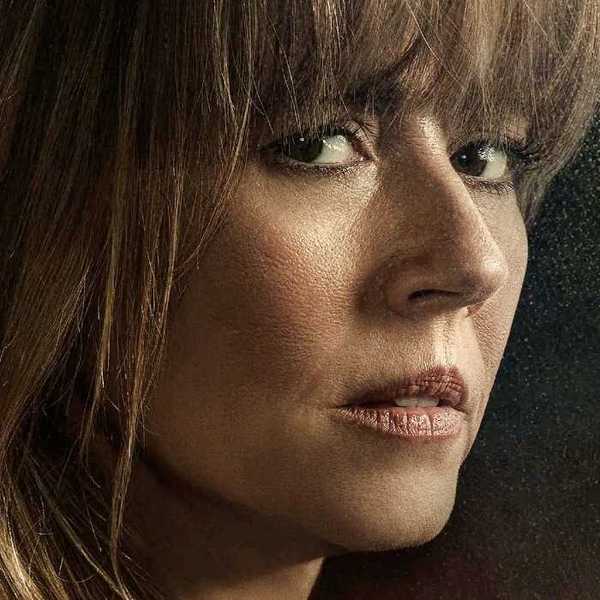
 'Don't Ignore Me'
That "layered" approach, often called "arthouse horror," has dominated the conversation for years. But according to director Julian Terry, the pendulum is swinging back toward a bolder, more visceral experience.
"Audiences have been inundated with horror over the past eight years or so, ever since the genre’s big resurgence," Terry notes. "Arthouse horror made a major impact during that time, but we’re now seeing that trend fade. That audience is craving something new."
Terry points to the massive success of films this year, like Zach Cregger’s Weapons and Ryan Coogler’s Sinners, as proof. "They go places we haven’t seen in a long time. The violence in both took me right back to the ’80s. Final Destination Bloodlines and Terrifier 3 also feel like love letters to that era. Audiences are craving louder, bolder horror. Let’s give it to them!"
From Indie Upstarts to Studio Titans
This creative boom is being fueled by a new ecosystem of production houses that have built their brands on a "filmmaker-first" ethos.
"I think horror is currently doing extremely well, both creatively and successfully at the box office," says Justin Warren, DIT on The Woman in the Yard. "Newer filmmakers like Osgood Perkins (Longlegs), Zach Cregger (Barbarian), Ari Aster (Eddington), and of course staples like Jordan Peele and James Wan are continually pumping out profound and compelling stories. They’re not just relying on common tropes or cliches; they’re coming up with very new material."
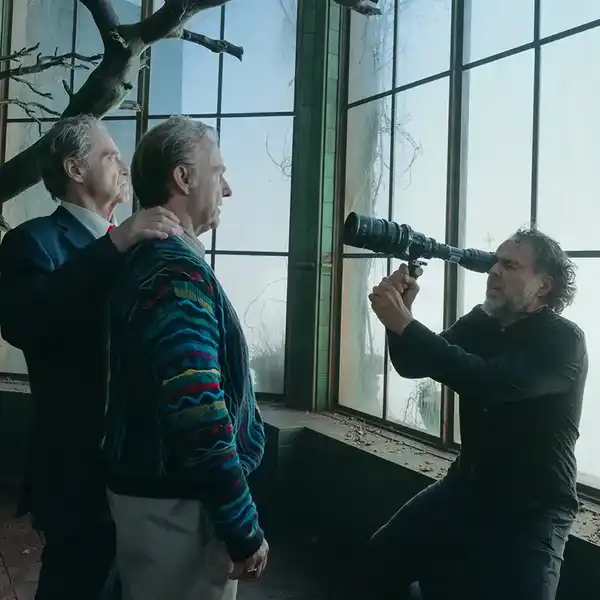
 'The Woman in the Yard'Credit: Universal Pictures
Warren, who has worked with Blumhouse, identifies a "Big Three" driving the market. "I’m particularly intrigued by what Neon is putting out, and the independent, lower-budget (but infinitely creative) stuff you see on Shudder as well. A24 is almost always putting out something unique. And of course... my friends at Blumhouse have been putting out some great stuff lately as well, with Black Phone 2 having just come out and getting great reviews."
The success of these indies has forced the major studios to take notice.
"Horror Filmmaking is in an amazing space that many of us could not have predicted," says writer/director and co-founder of The LatinXorcists, Ricardo Martinez. "We're finally seeing major studios show appreciation for the financial and cultural importance of horror. It's a booming genre right now in the midst of a depressed film and TV market. That's an incredible sign of strength."
What Can We Expect in The Future?
So, what's next? For the filmmakers we spoke to, the future is defined by two key elements: accessibility and perspective.
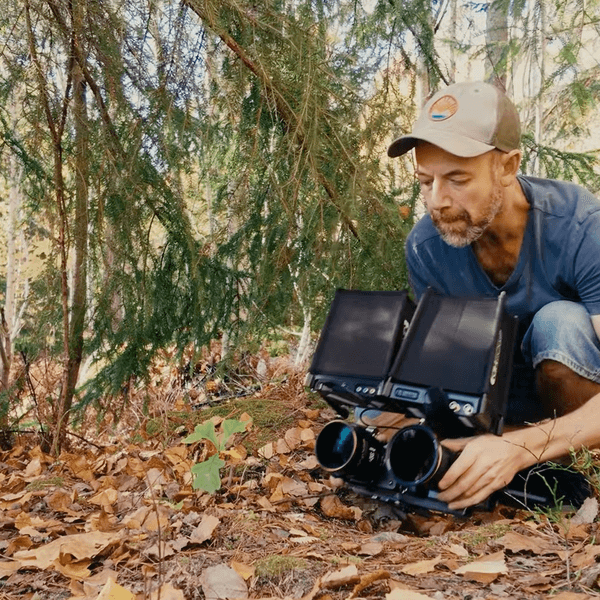
For Judd Overton, the DP behind the Blumhouse/Amazon slasher Totally Killer, the revolution is technological. "I feel like horror has always been a genre where the best idea wins," Overton says. "With the democratization of high-quality cinema cameras such as the [Blackmagic] 12K Cine LF, we are really seeing a time where filmmakers are empowered to get out and shoot."
That empowerment isn't just about gear; it's about who gets to be behind that gear and wields it to tell their stories.
"What excites me is how open the genre is to new voices," says Raymond Mendez. "We’re seeing more diverse filmmakers bringing their cultural backgrounds and personal experiences into horror, which makes it richer and more surprising."
This influx of new talent, combined with the genre's inherent flexibility, creates a landscape of infinite possibility.
"As an indie filmmaker, I don’t think there is a better genre than horror to be working in right now," says Andrew Scott Baird, DP on Shelby Oaks. "Not only are horror fans truly passionate moviegoers, but you can make a horror film with any subgenre. It can be a comedy, a thriller, a romance, a sci-fi, or just bloody as hell. It’s the most diverse genre, and it’s incredibly enjoyable to shoot."
 'Shelby Oaks'Credit: Neon
That means indies are being taken seriously and letting people in the door if they have a great idea or some big scares.
That's a bright future!
"Movie studios and networks are finally showing up for Horror!" says Ricardo Martinez. "This is a truly fantastic time to go out and pitch horror!"
Andrew Scott Baird agrees. "There are so many talented directors working in this space right now that will inspire a new generation of horror filmmakers that will dream up things I never thought possible. The next 20 years will be wild."
Summing It All Up
The future is bright when it comes to horror. And the tools that have been developed to capture it are only getting better.
We've been hyping Blackmagic cameras, but the real innovation comes from the people who are using them to capture the next batch of the scariest movies of all time. So, how are you going to enter the mix, and what do you think the future of horror looks like in Hollywood and across the world?
Let me know what you think in the comments.
This article was brought to you by Blackmagic Design. For more horror filmmaking interviews and insights, check out the rest of our Horror Week 2025 coverage here!

- How to Write a Great Horror Movie ›
- Here's How to Create Viral, Low-Budget Horror ›
- How These 4 Plot Devices Are Used in Horror Movies ›
- From 'Evil Dead Rise' to 'The Mummy': Lee Cronin on Evolving Horror ›
- 7 Movies That Turned Children’s Rhymes Into Nightmares ›
- The First American Horror Film Premiered 118 Years Ago Today ›
- How Indie Filmmakers Can Turn Production Limitations Into Creative Opportunities | No Film School ›