From Web Serial to Phenomenon: How 'Dungeon Crawler Carl' Sold 10+ Million Copies
If you write it, the audience can find you.
'Dungeon Crawler Carl'
The talk of both Hollywood and the publishing world is Matt Dinniman's Dungeon Crawler Carl. I was talking to an exec last night who told me they got 900 submissions for the writers' room. And the new chapter of the latest book is blowing up, as well.
So, how did we get another global publishing phenomenon turned into a TV show that's sure to be a hit before they even film the first frame?
Well, in early 2020, Matt Dinniman was struggling. The pet shows and booths he worked at had shut down due to COVID-19, and the only thing keeping him afloat was the little bit of money he was making from a Patreon he started after some chapters of a book he posted on a website called Royal Road.
The story was called Dungeon Crawler Carl, and it was about to become a massive hit; he just didn't know it yet.
Let's talk about what started this phenomenon.
- YouTube www.youtube.com
What Is Dungeon Crawler Carl?
The premise of Dinniman's self-published novel was kind of bonkers and high-concept: Every man-made structure on Earth suddenly collapses, killing most of humanity.
The survivors are forced into an 18-floor, alien-managed dungeon that doubles as the galaxy's most popular reality TV show, run by AI.
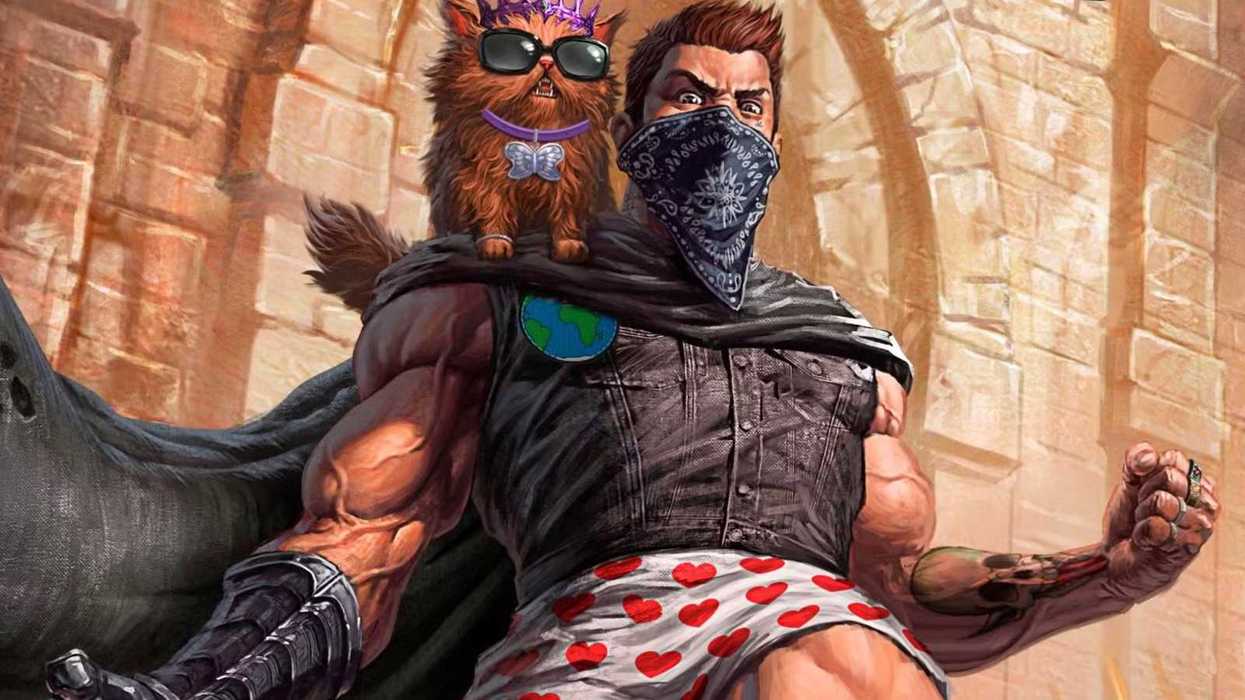
We follow Carl, a Coast Guard veteran caught outside during the collapse wearing nothing but his boxer shorts. He enters the dungeon alongside Princess Donut, his ex-girlfriend’s award-winning Persian cat.
After the cat drinks a potion and self-animates, they team up to try to survive on the inside.
The book is part post-apocalyptic thriller, part LitRPG progression fantasy, part reality-TV satire, and part dark comedy with a deep emotional core.
It's genre-bending at its finest, and truly has something for everyone.
But that's not the only reason it became a huge success.
The Four Engines Behind the Breakout
Let's look at some strategies you can replicate if you're trying to sell your own story.
1. Free Serialization & The Patreon Voting Engine
As we said before, this all began because Dinniman began posting chapters on Royal Road. That's a platform for serialized web fiction where you can post full stories or snippets.
He did all this for free and was able to continue to hook people right away.
Then, Dinniman launched a Patreon where supporters could read chapters early and periodically vote on external elements to include in the story, so they felt like they were paying to have a say.
This was sort of a meta version of what was going on in the story, too.
One fan-voted element, the Dungeon Anarchist’s Cookbook, became so central to the plot that it gave an entire book its title.
Readers felt a direct sense of ownership over the lore and liked that the story belonged to them as well.
2. The Audio Performance Phenomenon
This is what wound up hooking me. I saw a bunch of clips of the audiobook going viral, and I knew I had to check it out.
The Dungeon Crawler Carl audiobooks are produced by Sound Booth Theater and narrated by Jeff Hays. He might be the best audiobook narrator I have ever heard. He brought life to the books that lit up imaginations and made them into a very fun listen.
Hays' voices made these books accessible even to people who weren't down with reading online blogs, and they took off with an entirely new niche market.
I'll put it this way: the audio versions became so definitive that when Peacock greenlit the live-action television adaptation (produced by Seth MacFarlane's Fuzzy Door Productions and Universal), Jeff Hays was immediately brought on to reprise his voice role as Princess Donut.
Fans went nuts when this was announced at San Diego Comic-Con 2026.
3. Organic Word-of-Mouth Engine
As you have probably caught on, these books became massive because people could not stop talking about them. They told their friends and their book groups, clipped audio online, and shared it on social.
Narratively, I really think the books made themselves accessible to not just gamers or fantasy novel lovers, but tapped into people who love action, comedy, and lots of other genres you don't normally see mashed together.
That meant fans of those genres could recommend them to their friends for wildly different reasons.
4. Hybrid Traditional & Crowdfunded Distribution
By mid-2024, the series had already proven its market value in self-published formats.
That got real publishers to notice; they were not going to leave any money on the table. Ace Books (an imprint of Penguin Random House) acquired the physical print rights.
Here's a fun thing: Dinniman retained his independent ebook and digital rights while leveraging Penguin Random House to put hardcovers and paperbacks into mainstream bookstores, airports, and libraries nationwide.
The only reason he was able to do this was that he had already had so much success that they kind of needed him, and he didn't need them.
But I will say, publishing those books and putting them into stores opened it up to even more fans who maybe aren't terminally online like the rest of us.
A Blueprint for Writers
People love this book for many reasons, but it woke something up in me that I found very refreshing. It showed that a writer who bets on themselves can achieve beyond their wildest dreams.
Dinniman did not wait for traditional gatekeepers to validate his story; he built a direct pipeline to his readers and kept telling the story his way.
Even now, he's putting the first chapters of the 9th book online before you can get them in stores, just like when he started.
Let me know in the comments if you have read the books and if you're looking forward to the show.