Proof of Concept: The Art of Pitching Through Short Films
Discover how directors use bite-sized cinema to showcase story, style, and market viability.
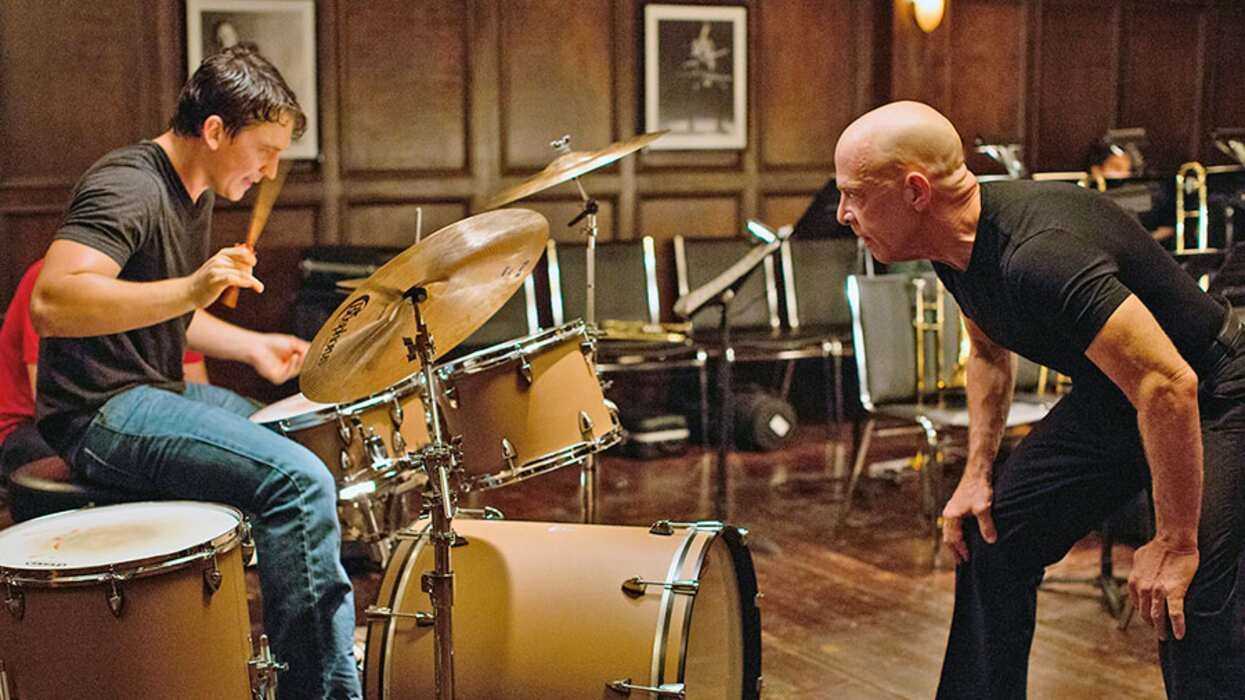
Whiplash short film (2013)
Short films used to be warm-ups. Now, they’re auditions for the big leagues.
More and more, filmmakers are turning 5- to 15-minute shorts into pitches for full-length features. This trend is not limited to indie darlings. Even major studios are scouting them. Why? Proof-of-concept shorts cut the fluff. They show what a director can do, how a story plays on screen, and whether audiences—or investors—will care.
A good proof of concept, instead of saying “trust me,” shows why someone should.
This article breaks down how these mini-movies help directors connect creative vision to commercial backing, and what it actually takes to make one that works.
What Is a Proof-of-Concept Film?
A proof-of-concept (short) film is basically your (feature-length) movie’s resume. It’s a bite-sized version (or scene) of a larger story, built to show off the goods, like story, tone, visuals, and how you pull it all off.
You’re not giving away the whole plot. You’re teasing it, just enough to show people why it deserves more time, money, and attention.
Some proof-of-concept films are mood pieces, while others mimic a trailer or a key scene. The structure isn’t fixed, but the purpose is to convince someone to say yes.
Take District 9. Before it became a feature project with a production budget of $30 million, it lived as a six-minute short called Alive in Joburg. Same dystopian vibe, same found-footage style, same alien segregation angle. The short did its job—it got Peter Jackson interested.
Another one? Lights Out. David F. Sandberg made a chilling two-minute short on no budget. Hollywood came knocking, and the full-length film made nearly $150 million on a $5 million budget.
Why Studios and Investors Love Proof-of-Concept Shorts
Films are expensive risks. A proof-of-concept short trims the gamble.
Executives want proof that the concept works before investing millions in it. A short can show pacing, tension, world-building, and even market potential without anyone reading a 110-page script.
It also shows whether a director can, well, direct. Visual tone, actor direction, editing rhythm—it’s all in the short. Budget doesn’t scare the producers as much as blandness does.
Look at Whiplash. Damien Chazelle shot a short version of the infamous “not my tempo” scene. It nailed the tension. Sundance bit. The feature got made. It won three Oscars.
Keys to Crafting an Effective Proof-of-Concept Short
1. Storytelling in Miniature
You’ve got 5 to 15 minutes. That’s it. So every second counts.
You’re not telling the whole story—you’re selling the idea of it. What’s the central conflict? Who are the characters we’ll root for (or fear)? Is there a twist that makes it memorable?
What’s non-negotiable is the hook. You're in trouble if your idea doesn’t grab people in 30 seconds. Think high-concept with emotional punch. And make sure it sticks the landing.
2. Visual and Technical Mastery
Style sells. Period.
Proof-of-concept films don’t need explosions or expensive sets, but they do need to look intentional. That might mean tight framing, smart lighting, or one killer location. Sound design matters more than you think. So does pacing.
Directors like Gareth Edwards (Monsters, Rogue One) used low-budget visual effects in a way that felt textured, not cheap. Audiences not only forgave the cost-cutting, they admired it.
Constraints can sharpen creativity. If you’ve only got a weekend and a DSLR, own that. What matters is coherence and confidence in execution.
3. The Perfect Pitch: Aligning Short Films with Market Demand
This part’s less romantic but hugely important. Know your audience and the people holding the checkbooks.
Horror, sci-fi, and thriller shorts tend to convert better into features because they promise a visceral experience. Drama? It can work, but it has to hit hard.
Study what’s trending. What kinds of stories are getting funded? Which shorts are going viral, and why? There’s a difference between being original and being out of touch.
The best-case scenario is that your idea feels fresh and looks profitable.
Success Stories and Lessons from the Industry
Let’s go back to District 9. Blomkamp’s Alive in Joburg was gritty and very specific. It mashed sci-fi with social commentary in a way that felt urgent. Peter Jackson saw it, and the rest is history.
Then there’s Saw. Before it became a billion-dollar franchise, James Wan and Leigh Whannell shot a nine-minute short. It had the key trap scene, a creepy tone, and a psychological edge. That was enough to get Lionsgate on board.
However, not every proof of concept lands a deal. Common reasons include weak execution, tonal confusion, or a concept that doesn’t scale well. Sometimes it looks great, but says nothing. Or it says too much without a clear genre identity.
When things flop, smart filmmakers don’t pout. They retool, shorten, recut, and tighten the hook. Sometimes, they realize the short works better as-is and move on.
Rejection isn’t failure. It’s data.
The Future of Proof-of-Concept Filmmaking
Back then, you needed a connection. Now, you need a link.
YouTube, Vimeo, even TikTok—shorts get eyeballs fast. Film festivals like SXSW and Fantastic Fest also scout proof-of-concept films. If yours pops off online, execs will notice.
Crowdfunding helps, too. A great short can double as a campaign trailer. If people want more, they’ll back it. Just ask the creators of Kung Fury.
New formats are also expanding the proof-of-concept toolbox. Some directors are experimenting with interactive shorts, and others are dabbling in VR to pitch immersive stories, especially in horror or sci-fi.
Virtual production tools like the Volume (popularized by The Mandalorian) are now within reach for smaller teams. That opens doors for visually ambitious concepts without the blockbuster budget.
We’re also seeing AI creep into pre-visualization and editing workflows, speeding up production.
Conclusion
Proof-of-concept shorts aren’t side projects anymore. They’re strategic tools, part creative flex, part pitch deck.
In an industry that thrives on risk but hates surprises, a great short film can be your clearest “yes” or “not yet.” It’s where art meets hustle.
If you’re a filmmaker, shoot a short with the aim of building a bridge.