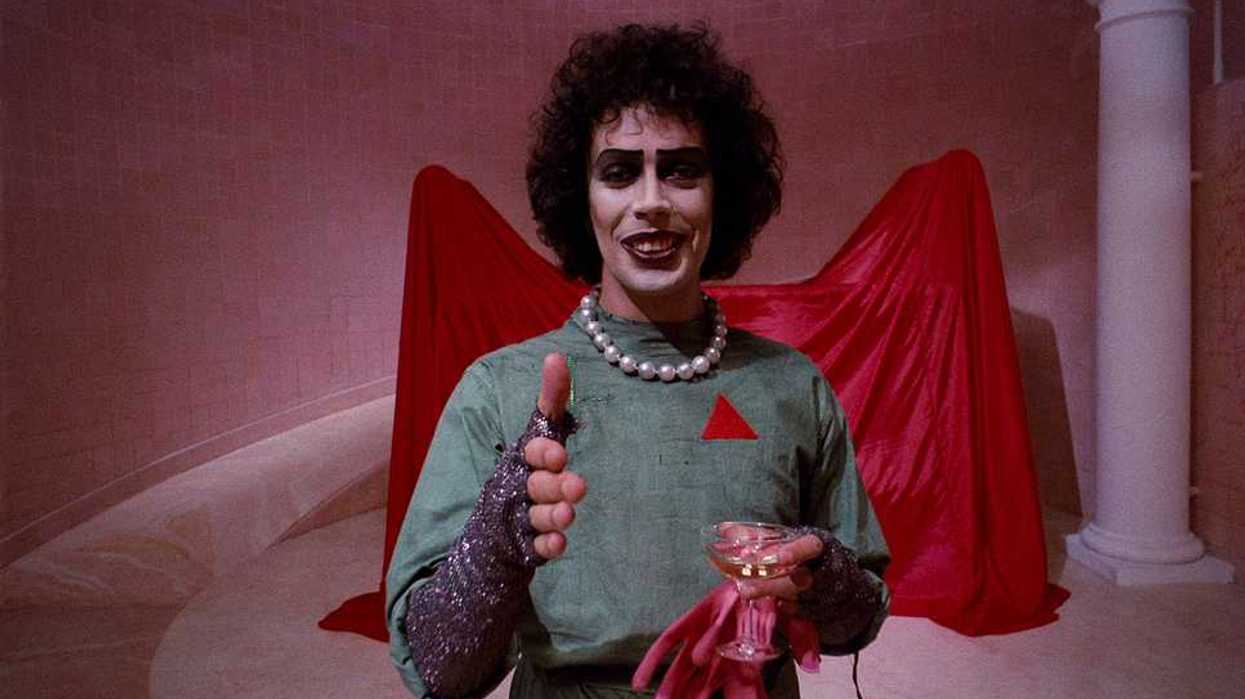
Do you remember your first time watching The Rocky Horror Picture Show? For me, it was in college in a basement, and with a bunch of people who were already fans.
I was behind the eight ball, but they took me in as one of their own and indoctrinated me.
Since then, I've enjoyed seeing it on the big screen and participating with the audience. I love that it's still in theaters all over, making special appearances and bonding with new viewers every year.
This is after it kind of bombed when it was initially released, and found its following later.
The Rocky Horror Picture Show didn't just create a cult following—it accidentally wrote the blueprint for interactive cinema, teaching us a powerful lesson about what happens when an audience stops watching and starts participating.
And we see echoes of it even now with movies like Minecraft.
Today, I wanted to dig into that idea.
Let's dive in.
- YouTubewww.youtube.com
From Midnight Flop to Cultural Phenomenon
When The Rocky Horror Picture Show premiered in 1975, it was met with critical confusion and low box office numbers. 20th Century Fox pulled it from most theaters to try to figure out what to do.
Lucky for them, a marketing executive convinced the studio to try a different strategy: midnight screenings. The film found a home at the Waverly Theater in New York's Greenwich Village. At first, the same small group of fans came back week after week. They knew the songs, they loved the camp, and they felt a kinship with its celebration of outcasts and "sweet transvestites from Transexual, Transylvania."
From there, they spread it to different theaters around the country, and this caught on, finally finding its audience.
And that audience liked to interact with the movie. Yelling out new lines and creating their own script to go along with the movie.
The audience was no longer just a passive receiver. They were now co-authors of the experience.
And the movie was making money, so the studio loved it.
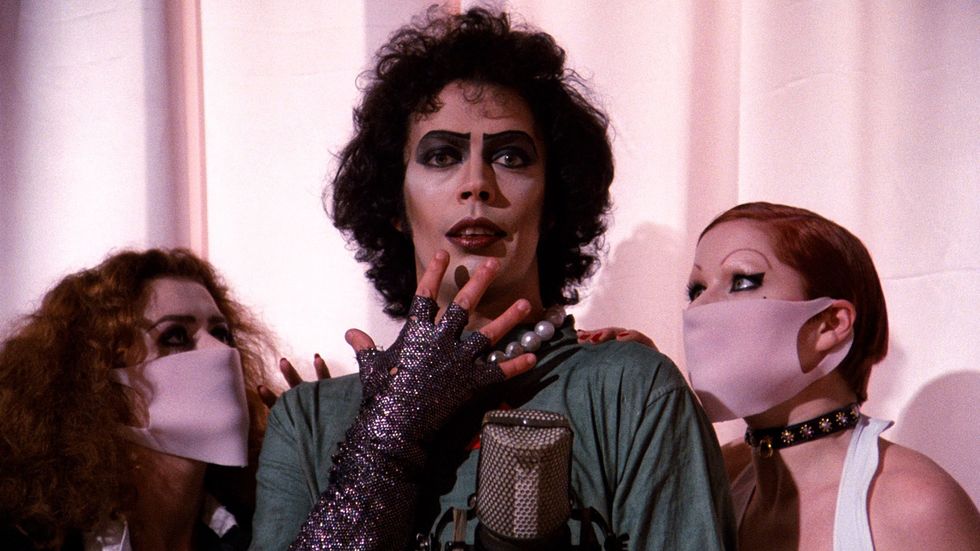 Rocky Horror Picture Show 20th Century Studios
Audience Participation Rules
What evolved at the Waverly, and soon in theaters across the country, was a complex, fan-created ritual.
To really see The Rocky Horror Picture Show, you had to see it in a theater. It delivered so many new experiences for the audience.
- Callbacks: These are the lines shouted at the screen. They punctuate pauses, mock character dialogue, and add a layer of commentary. For example, when Janet Weiss gets out of the car in the rain, holding a newspaper over her head, the entire theater yells, "No, buy an umbrella, you cheap bitch!"
- Props: This is where the physical interaction kicks in. Fans come prepared with a bag of seemingly random items to use at specific cues:
- Rice: Thrown during the wedding scene at the beginning.
- Water Pistols: Used to simulate the rainstorm that strands Brad and Janet.
- Toast: Hurled into the air when Frank-N-Furter proposes a toast.
- Toilet Paper: Tossed across the theater when Brad cries "Great Scott!" (a reference to Scott brand toilet paper).
- Playing Cards: Flung during the line, "Cards for sorrow, cards for pain."
As more and more people saw this movie in theaters, we even got a Shadow Cast. That was when people came in costume and acted out along with the characters on the screen.
The film became a backdrop for a live theatrical performance, creating a surreal, layered experience where screen and stage merged.
This movie created a legacy for other titles to follow.
The Legacy Continues
While we aren't seeing a lot of movies released that encourage interaction, we are getting viral moments.
Think about how everyone went nuts for the chicken jockey scene in Minecraft. That was a movie that begged you to go nuts in theaters, with some places really embracing that atmosphere.
Or how Wicked released a sing-along version, so people could go belt out the lyrics with one another.
While none have replicated Rocky's global, fifty-year phenomenon, its DNA is visible in the cult followings of many movies.
I've gone to see The Room in LA, and it's one of the best experiences out there. It's a movie that keeps on earning for its creators because of its "so-bad-it's-good" reputation.
The audience participation here is a mix of mockery and celebration. Viewers shout "Focus!" during blurry shots, hum the Mission: Impossible theme when a character sets up a tape recorder, and, most famously, hurl plastic spoons at the screen whenever a framed picture of a spoon inexplicably appears in the background.
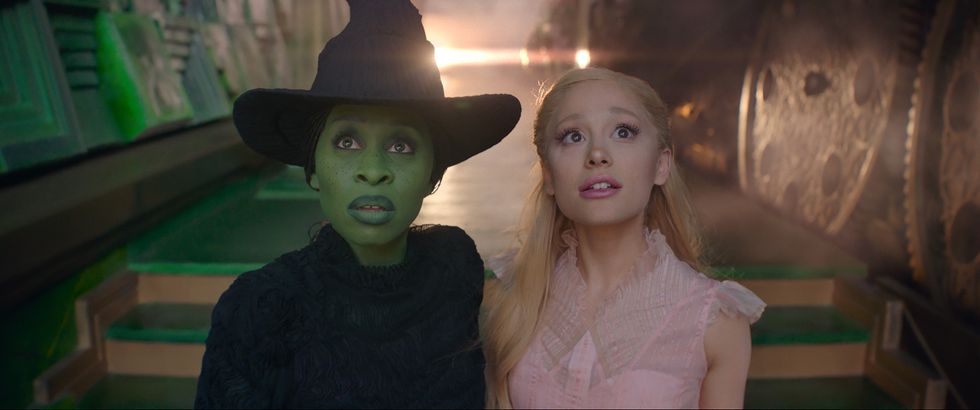 'Wicked' Credit: Universal
Summing It All Up
I'm not sure you should be writing and directing movies with these intentions, but I think they're fun to study. What caught on should be embraced, not just from a capitalistic sense, but from the sense that if an audience loves your work, you should embrace that audience.
And that's a cinematic legacy you want, anyway.
Let me know what you think in the comments.
- 11 Box Office Bombs That Became Cult Hits ›
- How Blackmagic Cameras Were Used to Revisit the Strange Journey That is 'Rocky Horror' ›
- What Makes ‘The Rocky Horror Picture Show’ a Cult Classic? ›
- Film Quote of the Day: The Tim Curry 'Rocky Horror' Line That Remains One of His Most Powerful | No Film School ›