How '1917' Pulled Off the Illusion of a One-Take War Epic
How Sam Mendes and Roger Deakins stitched 30 shots into a seamless illusion of one.
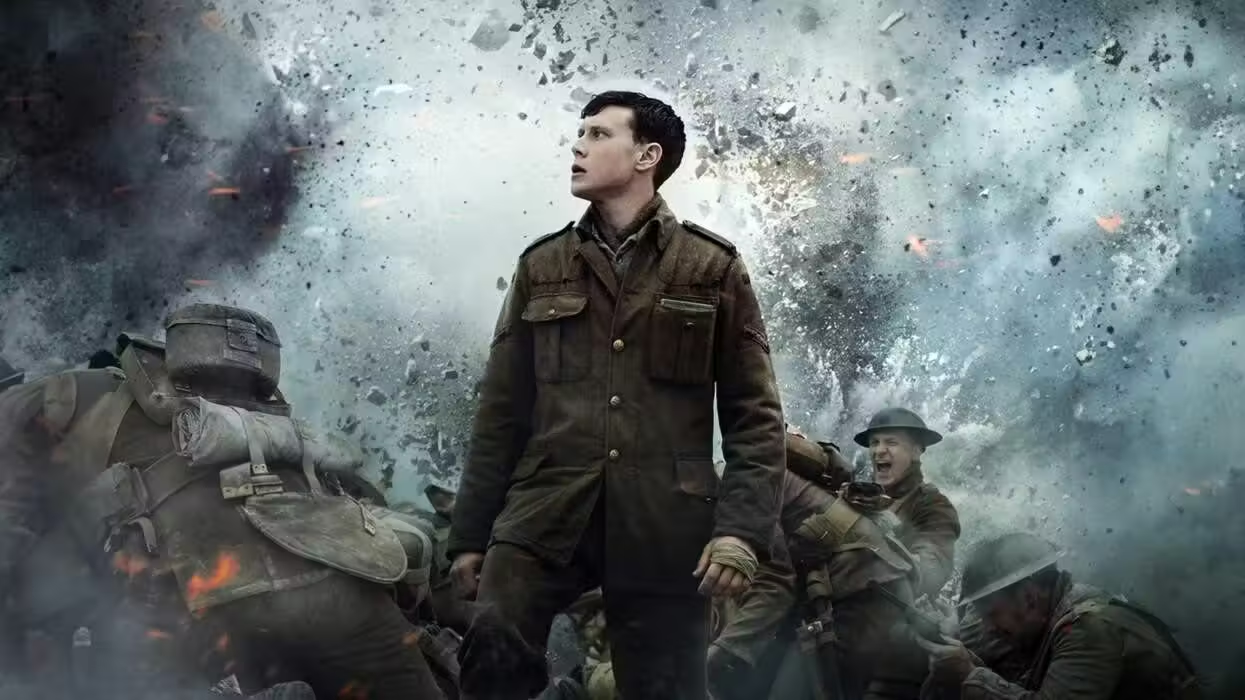
1917
1917 (2019) appears to be a one-shot movie.
Well, it’s not. It’s 30 shots.
Yet, audiences never notice the cuts. That’s the magic trick Sam Mendes pulled off with this World War I thriller. It looks like one seamless journey through No Man’s Land, but behind the curtain is an elaborate dance of edits, choreography, and pure technical insanity.
The film follows two young British soldiers—Schofield (George MacKay) and Blake (Dean-Charles Chapman)—tasked with delivering a life-or-death message across enemy territory.
The entire narrative unfolds in real-time, without ever breaking the audience’s gaze. Or at least, that’s how it feels.
What Mendes, cinematographer Roger Deakins, and editor Lee Smith actually pulled off was a carefully orchestrated illusion: around 30 different shots stitched together to look like one breathless take.
Why go through all this trouble? Because the story demanded it. Mendes wanted the audience to feel like they were in it—to breathe the same air, trudge through the same mud, and never look away. By ditching traditional coverage, the film becomes a tightrope walk—where time is a straight line, and survival is a ticking clock.
And how they pulled it off? Well, let’s break it down.
Why a ‘One-Take’ War Film? The Vision Behind 1917
Sam Mendes didn’t chase high-octane spectacle—he chased truth. His drive for real-time immersion stems from a story his grandfather, Alfred Mendes, only shared as an elder. These stories stayed with young Sam: a scrawny messenger slipping through misty no‑man’s‑land because he was too small to be seen above the fog. Mendes said it “stuck with me” and later became the seed he had to grow into a film.
He also mentioned how his grandfather’s hand-washing quirk—scrubbing off mud that trench warfare left behind—became a haunting symbol of war’s lasting grime. It wasn’t just a habit; Mendes realized it was memory—engraved on the body.
On top of that personal tie, Mendes wanted a cinematic form that beat with real-time urgency. He told Time it was a “calculated gamble,” betting that pushing narrative forward—rather than stalling in trench‑style paralysis—would electrify the audience. That’s far from gimmick territory. This is storytelling with pulse.
So he wove his grandfather’s memory into the film’s DNA, stitched it with adrenaline, and framed it all in a single continuous breath. That’s why 1917 comes off as more than just a war film—because it’s a lived-in, unbroken ride through someone’s nightmare.
The Magic Trick: How 1917 Hid Its Cuts
The Invisible Edits
Every time the screen fades to black, passes behind a wall, or lingers in a shadow, there’s a good chance a cut is hiding there. These aren’t your classic scene transitions. These are invisible edits, masked by motion, darkness, or a passing object. Think whip pans, camera wipes, or a body moving across the frame. It’s the magician’s misdirection—done with precision.
The real secret weapon? Digital stitching. Once the footage was captured, VFX artists at MPC blended frames together with software so seamlessly that even trained eyes would struggle to tell where one shot ends and another begins. But the edits only work because the physical blocking was airtight. Actors, camera ops, and even the extras had to move like clockwork.
Which brings us to the final sleight of hand—matching movement. You can’t stitch two shots together if someone’s hand is a few inches off. So every step, glance, and gesture had to sync across takes. If the choreography was even slightly off, it meant resetting everything. No pressure.
The Longest "Single" Shots
Some sequences lasted a full nine minutes without a visible break. That’s impressive and exhausting. The most iconic? The trench sprint near the climax, where Schofield bolts across the battlefield as explosions detonate left and right. It was shot with real extras, real pyrotechnics, and one exhausted actor barely dodging chaos.
Or the plane crash scene—Schofield and Blake pulling a German pilot from a burning aircraft in real-time.
That sequence involved cranes, rotating rigs, and moving set pieces, all choreographed to the second. You miss a cue, the shot’s ruined. Start again.
There are dozens of moments like that: tight turns through trenches, crawling over dead horses, swimming through a river filled with corpses. Each moment feels intimate because there’s no cut to release the tension. That’s what keeps you locked in.
The Technical Mastery: Camera, Lighting, and Choreography
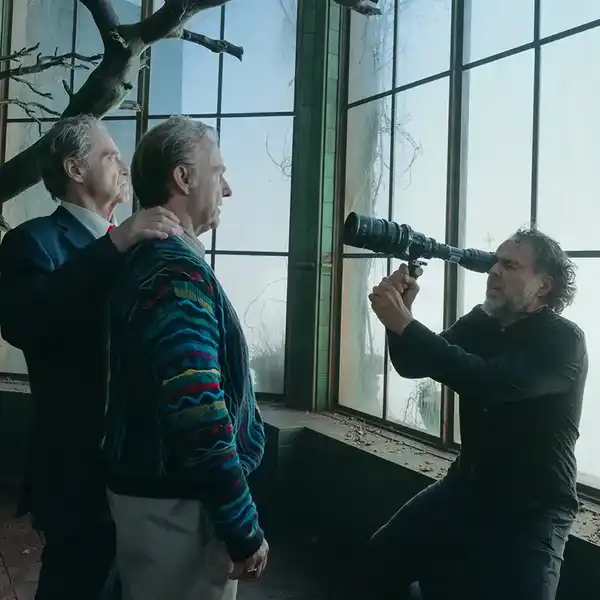
Most cinematographers shoot movies. Roger Deakins builds them. For 1917, that meant crafting custom camera rigs that could glide, rise, track, and even ride on motorcycles through the muck. Traditional Steadicams weren’t enough. They needed wire rigs, cranes, handheld transitions—all in one fluid motion.
Lighting was another beast. Since most scenes were shot in natural environments, the team relied heavily on daylight. But sunlight changes. Clouds move. So they rehearsed entire scenes at the same time of day for consistency. When night fell, giant lighting rigs mimicked flares and gunfire, creating a surreal battlefield glow.
But none of it would have worked without rehearsals. Actors had to memorize every move. Extras needed to hit marks like dancers in a music video. And sometimes, the set itself had to move—trench walls shifting just out of frame, debris dropping on cue, explosions timed to footsteps. Every element was live. No do-overs.
The Emotional Impact: How the Technique Serves the Story
The "one-shot" illusion isn't just for flexing. It also rewires how you experience the story. Without cuts, you don’t get to breathe. You don’t get to skip ahead. You’re stuck inside the moment, just like the soldiers. The ground never stops moving beneath your feet.
You feel the fatigue in Schofield’s legs. You flinch when bullets zip past. And you never get that relief that usually comes when a film cuts away. This causes absolute visual immersion and emotional entrapment. The camera doesn’t let you go because the war doesn’t either.
Instead of watching from the sidelines, you’re right there. Following. Hurting. Panicking. The camera becomes less of a lens and more of a ghost—hovering beside these men, invisible but intimate. It’s not an observer anymore. It’s a silent companion.
Challenges & Near-Impossible Moments
The illusion only works if everything works. One cloud can ruin a scene. Rain, mud, even wind could disrupt continuity. If it’s sunny at the beginning of a take and cloudy by the end, it doesn’t match. And remember—some takes ran for almost ten minutes.
Then came the human variables. Dean-Charles Chapman accidentally punched a co-star during rehearsal. George MacKay got knocked over mid-run but kept going. Props broke. Guns jammed. Real barbed wire tore costumes. And when the camera’s always rolling, there’s nowhere to hide.
The climax trench sprint? They got that in one take. Not because they planned it that way, but because MacKay accidentally collided with extras, but kept running. Mendes kept it. Real chaos. Real pain. Zero edits. That’s the kind of madness this movie demanded.
The Legacy: Did the One-Take Gimmick Work?
1917 cleaned up at the Oscars—Best Cinematography, Best Visual Effects, Best Sound Mixing. Critics called it immersive, bold, and technically jaw-dropping. Others weren’t as sold, arguing the style drew too much attention to itself. But love it or not, you can’t ignore it.
It also influenced a wave of long-take sequences. Think The Batman (2022) with its uncut fight scenes. Or Extraction (2020), which tried a similar “single-take” action set piece.
- YouTube
1917 reminded filmmakers that editing isn’t the only way to build momentum. Sometimes, staying locked in is more powerful.
More than anything, it set a bar not just for war films, but for technical storytelling. It proved that audiences will go along for the ride—even when they don’t know how hard it was to build the track.
The Art of Cinematic Deception
1917 tricked the eye and hijacked the audience’s heartbeat. What seemed like one long, uninterrupted journey through the horrors of war was actually a puzzle of 30 perfectly assembled pieces. The beauty of it? You never notice the seams. You’re too busy surviving the moment.
Maybe this tactic wasn’t on the same level as reinventing cinema, but it sure reminded us how arresting and surprising it can be. They used editing, lighting, and choreography not as spectacle, but as storytelling weapons. And in doing so, they turned a technical challenge into an emotional sledgehammer.
So here’s your challenge: watch it again. But this time, look closer. Can you spot the cuts now?