1973 was a pretty major year for film, in general. Films like Mean Streets, Serpico, Fantastic Planet, and The Sting, among others, are still hailed as all-timers by today’s standards. The crown horror jewel of the year, however, remains William Friedkin’s The Exorcist.
While this accolade is certainly deserved, as that film changed cinema forever, another horror film in 1973, as a result of that praise, kind of unfairly faded into the limelight. Let’s give Don’t Look Now its flowers.
Using Color as a Symbol
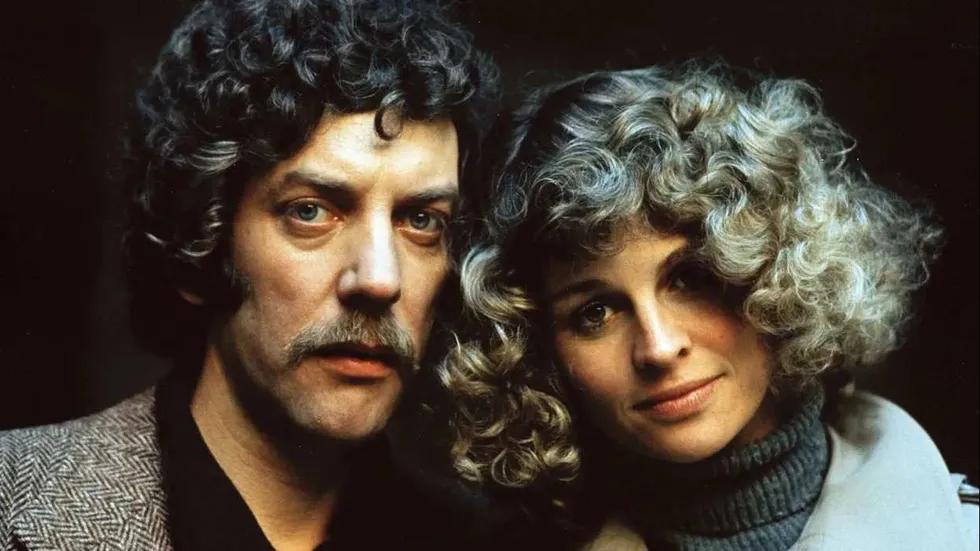
The film follows John and Laura Baxter, played by Donald Sutherland and Julie Christie. They find themselves on an extended couples trip to Venice after their daughter, Christine (Sharon Williams), accidentally drowns on their property.
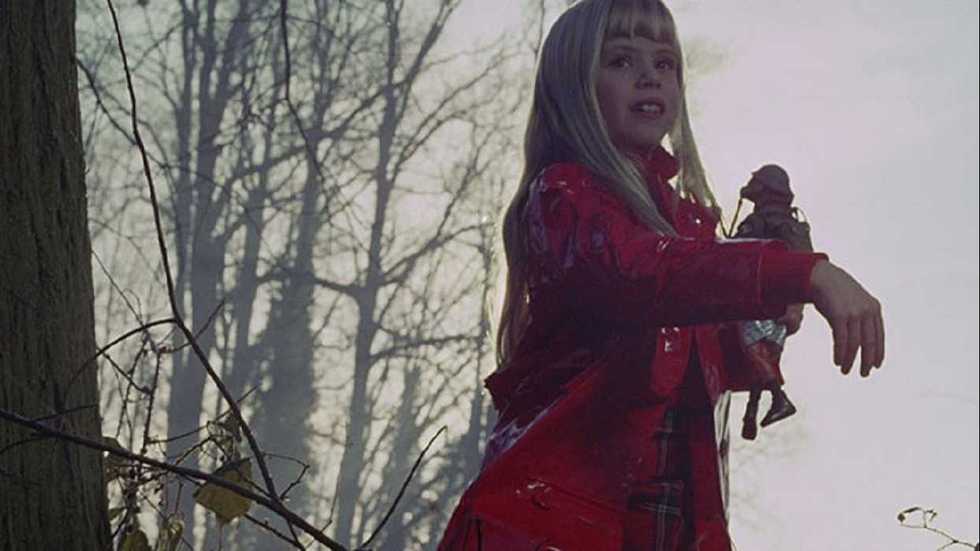
When Sharon is killed, she is shown wearing the bright red raincoat seen above. This piercing visual centerpiece remains something that consistently bleeds (pun intended) into the most casual scenes throughout the film. While characters are engaging in casual conversation, passionate intimacy, or even supernatural encounters, the striking image of red, as well as her jacket specifically, works its way into the frame somehow.
As a metaphor for the grief of the parents, its unforgettable shade and sharp entrances into random moments highlight the unpredictability of coping with that kind of a loss. Those kinds of feelings can come on horrifyingly quickly, and are often debilitating.
Surrealism as a Character Tool
 ‘Don’t Look Now’Credit: Paramount Pictures/The Criterion Collection
In addition to the color red and Sharon’s character popping into the minds of the characters at random points throughout the film, the use of surrealism and sharp editing as a filmmaking tool to portray the dissociativeness of grief is a consistent focal point as well.
While surrealism can certainly be a stylistic choice, and that is absolutely still the case here, the usage of it goes beyond just what a filmmaker claims as their own method of filmmaking. There is a clear-cut, necessary motivator for the film to be presented in this way. If it weren’t, the themes of the film would be explored completely differently, and likely not to the level of effectiveness that we got.
It also serves as a complementary method of presentation with the more supernatural elements to the film that start to rear their head in the second half of the story. The audience begins to feel like they’re beginning to lose their sanity alongside the central characters, as events begin happening that aren’t presented with a ton of outright explanation.
Obviously, once the film concludes, and you’re able to step away as an objective viewer, there are certainly viable interpretations that you can come to; however, explanations and outcomes for certain events are not delivered in the traditional, clear-cut way that audiences are used to. Especially for the time.
Influence on Today’s Future Horror Classics
 ‘Hereditary’Credit: A24
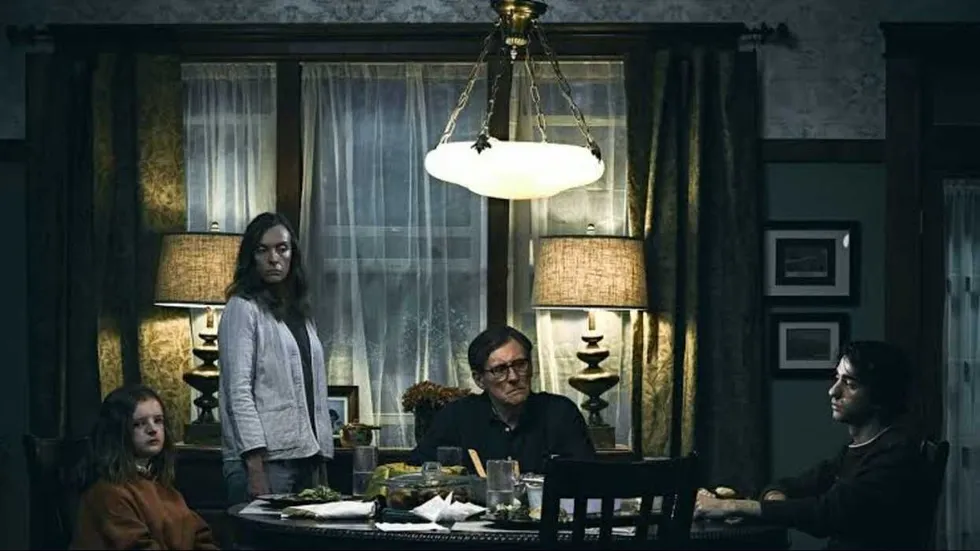
Right from the jump, the film that immediately sticks in my mind from the past ten years as having a clear level of inspiration taken from Don’t Look Now is Ari Aster’s Hereditary. Aster himself has been vocal in the past about the influence this film had on him as a filmmaker, but even taking those public comments out of the equation, examining the films side by side is enough to do the trick.
Both are family stories, both about grief, both about the loss of a young woman in the family, both about the mother slowly losing her sanity in her grief, both about said mother experimenting in the supernatural with mysterious female figures; you get the idea.
This wording is not meant to be a slight towards Hereditary in the slightest. If anything, it’s a testament to that film to highlight all of those key similarities it has to Don’t Look Now, while still managing to carve out its own path completely.
Consequently, the trickle-down effect of influence that this film has, with regard to Hereditary in particular, is another element to this conversation that should not go unnoticed. Hereditary is arguably the most impactful, influential horror film of the past decade. Countless films in the 2020s have taken inspiration from, or have straight up ripped off that film. Obviously, imitation is the finest form of flattery, but if a filmmaker is pulling from Hereditary, they’re undeniably also pulling from Don’t Look Now even if they aren’t directly realizing they’re doing so.
One of the most fascinating elements to cinema history is analyzing how the art form has evolved, not only from a technological standpoint, but also from an artistic inspiration standpoint. There wouldn’t be Star Wars without Akira Kurosawa’s samurai films. There wouldn’t be pretty much any modern sci-fi film without 2001: A Space Odyssey. There wouldn’t be the standard modern-day superhero film without Richard Donner’s Superman; the list goes on.
All this to say that although Don’t Look Now may not receive as much direct love and admiration from modern audiences as it deserves, its influence on the horror films we love the most today remains completely undeniable.