Twenty years ago, Zach Cregger was making sketch videos with The Whitest Kids U'Know, and after that, he was a working sitcom actor. Then he wrote and directed three hits in a row.
He made Barbarian for $4.5 million in Bulgaria, which is a miracle given that he had "no clout whatsoever," according to him. Then Weapons grossed about $270 million worldwide and earned Amy Madigan an Oscar. This year, Resident Evil opened to a franchise-record $60 million domestically, according to Variety.
Next up is The Flood, an original sci-fi thriller starring Jennifer Lawrence, which New Line will release in August 2028, per The Wrap.
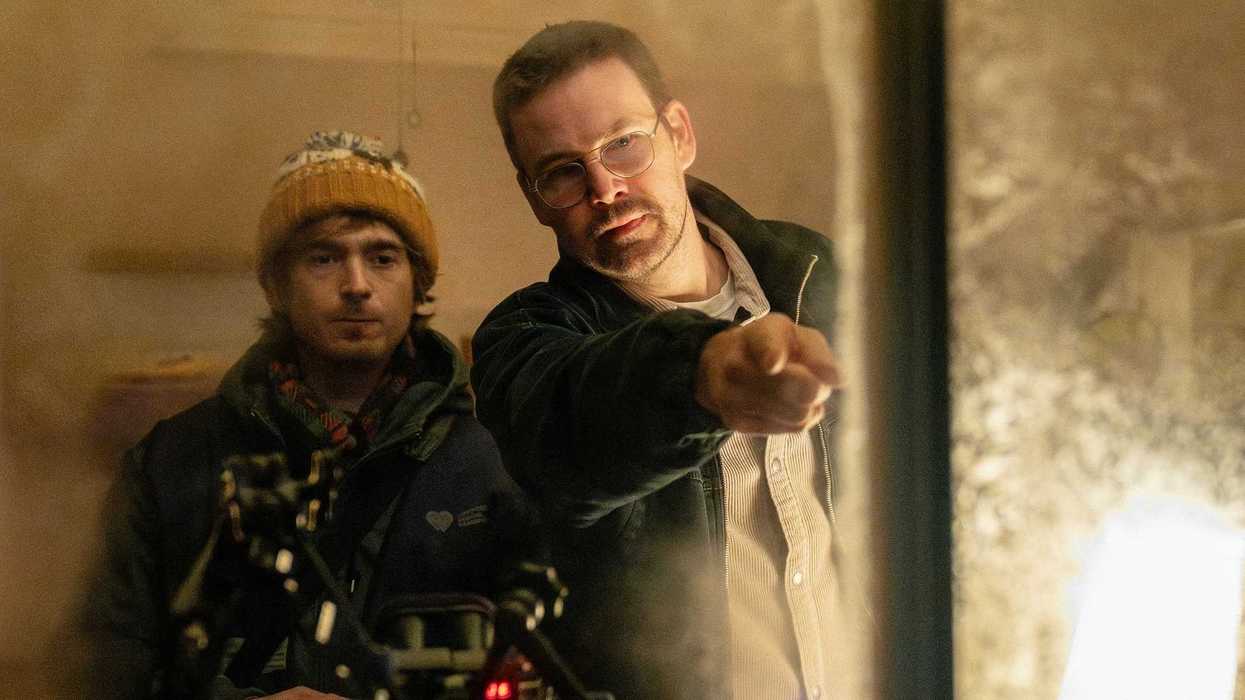
Cregger is now in a position few writer/directors reach, where studios come to him with offers. He sat down with Matt Belloni of The Ringer and Puck for The Town in front of students at Loyola Marymount. He spoke candidly about how he writes, why he's wary of IP, and why he'd rather work with a smaller budget than a bigger one. We pulled his best advice for screenwriters and directors. Check it out below.
- YouTube www.youtube.com
Comedy Is the Gym for Horror
Cregger has famously relied on his comedy background for his writing. Belloni asks whether a comedy background is a random path into genre filmmaking.
"It's not random," Cregger says. "It's a very, very similar muscle set that you need to be effective with comedy and with horror. You know, what you're doing is you're essentially trying to elicit a physiological response through timing and tone. And so that's what you're doing when you're trying to get a joke, and that's what you're doing when you're trying to get a scare. They both live or die by frames. They're both all about the buildup versus the payoff. And so I think that all of my time spent in the comedy trenches was me going to the gym for horror."
He paraphrases a Jordan Peele line about the difference between comedy and horror being just the soundtrack. He doesn't know if he would go that far, but music does play a big part, too.
Timing, buildup, and payoff are skills writers can practice in any genre. Comedy is also a great pathway into multiple genres, including horror (obviously), romance, and drama.
Write for Yourself First
Cregger almost fell into horror filmmaking. The genre was never a career strategy.
"For me, writing is just something that is cathartic. It's joyful. I would do it whether I could make a movie or not. You know, I think that's the secret sauce is when you're doing it because it's inside of you and you want to get it out. And if you're doing any art for yourself as the audience member first and foremost, then I think you are on the righteous path."
He was a working actor, but the work wasn't fulfilling him, so he wrote in his downtime and followed his taste for dark material.
When Belloni pushes back that horror is simply the genre that sells, Cregger concedes the point but says it wasn't part of his thinking.
For you, it can be, but if your heart isn't in it, it's likely to feel obvious. You should be excited about the stuff you're writing. It should hopefully feel cathartic, like it does for Cregger, where you're exploring something that invigorates you or helps you work through something.
 'Resident Evil' Credit: Sony Picture
Write the Messy Draft, Then Do the Hard Part
Cregger talks about Resident Evil being extremely easy to write, joking it felt like it took 15 hours. Which makes sense because it's a story about a character going from one point to another and facing obstacles along the way, told in almost real-time over one night. It's the easiest story ever.
In contrast, Weapons is nonlinear and switches points of view and overlaps in weird ways before revealing what's really going on. The writing of that was also almost exploratory, the way the story is structured, where he just started following different characters to see what they'd do. It was messy.
"I just started to see the shape," he said, "but I didn't outline. I just wrote from beginning to end, and it didn't work. It was a mess, but then I go back, and I put my thinking cap on, and I try and make it connect and make sense and not just be chaos. And that's where it's hard. But that first draft was easy. That first vomit draft is a really beautiful, fun thing. It should be fun."
I feel like we've talked about vomit drafts quite a few times around here lately, but it's because it's so important. If you feel like your writing has to be perfect on your first try, you might never start your script.
To be clear, Cregger is not against structure books. He says he loves Save the Cat and Robert McKee and calls them "truth in a book."
"But for me, I need to just sit down and just play. And so I just play by just, I have this idea for a scene. Let's go. And I just start, let my fingers lead before my brain can get in the way. And then I just try and entertain myself. See if that blooms into something cool. You don't know how many scripts I have that are like 30 pages, and then I hit a dead end, and then I'm dead."
(For what it's worth, that's the place where a lot of scripts die if you haven't thought through a plot fully.)
Barbarian itself started as a writing exercise inspired by a self-help book, he told Rotten Tomatoes. He also does two drafts before anyone else reads a script.
Define Success, and Let Collaborators In
Cregger says he's frustrated that so much of the conversation around Resident Evil was about how faithful it was to the games rather than about the movie itself. He's proud of the film, but he's wary of taking on IP again.
"When I watch Weapons and Barbarian and when I watch Resident Evil, my biggest win is that I'm seeing the movie that was in my head when I was writing the movie."
That doesn't mean shutting other people out. He took notes from Sony executive Nicole Brown that made Resident Evil better, because she acted as a collaborator and supporter. On set, he wants to hear others' ideas.
"Otherwise, your movie is only as good as you're capable of doing. I don't want to be the limit to my movie. I want everyone working on the movie to improve, to raise the roof, you know?"