The past month has been a game-changer for the film industry in every sense of the word. The monumental successes of Curry Barker’s Obsession and Kane Parson’s Backrooms have proven tenfold the hunger audiences have for original, crowd-pleasing stories, particularly in the horror space. Horror as a genre has been on a general victory lap over the past couple of years, with 2025 in particular producing multiple instant classics like Weapons and Sinners. 2026 has been no different. Let’s take a look at some of the best, more overlooked horror films of the year so far, in no particular order.
Faces of Death
 ‘Faces of Death’Credit: IFC Films
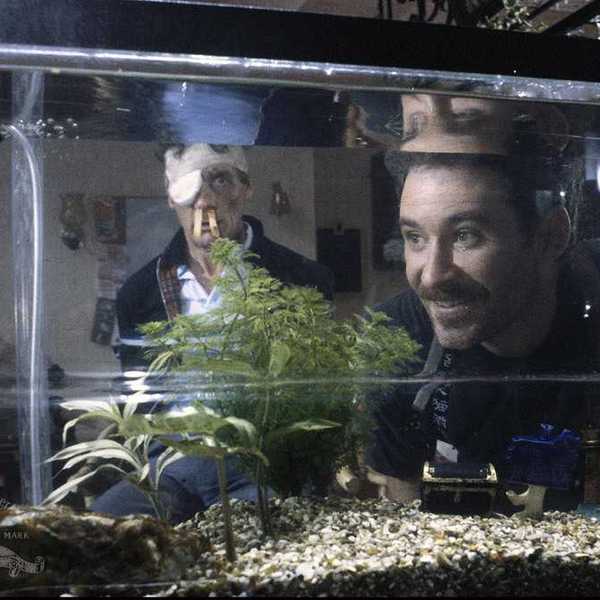
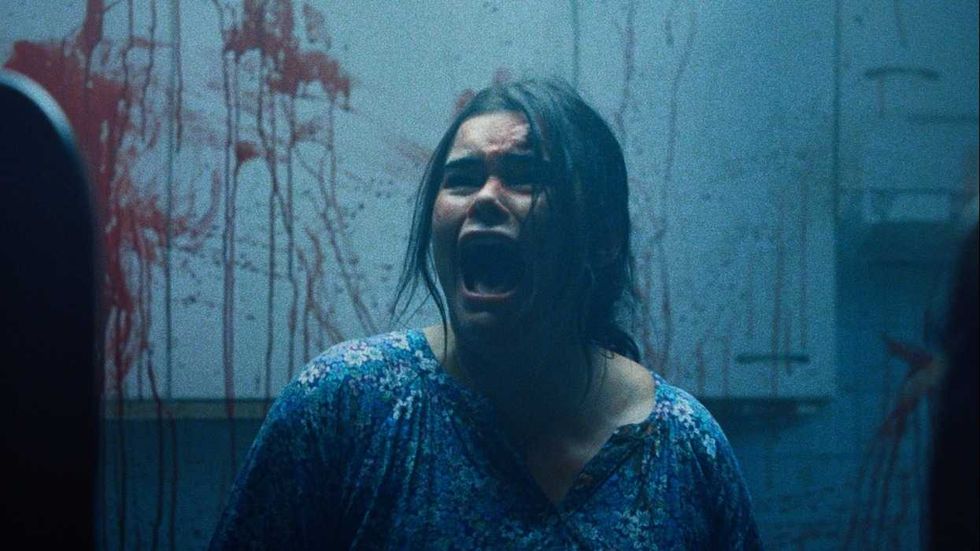
Functioning somewhere between both a remake and a sequel to the 1978 original, Daniel Goldhaber’s Faces of Death follows a young content moderator who stumbles across gore videos she believes to be real kill videos based on the stunt murders from the original film.
Barbie Ferreira leads the film as Margot, in a powerful, fearless performance alongside Dacre Montgomery’s chilling turn as Arthur, the apparent livestream killer.
For the people who know what they’re looking for going into this film, you can rest easy knowing that the kills are gnarly. There’s a lot of gory violence in the film that functions perfectly well on its own as a popcorn gore-fest, but slightly beneath the surface serves a surprisingly relevant thematic purpose.
The overall fulcrum of the film discusses our desensitization to various forms of violence or explicit media. There are videos we see Margot instantly approve throughout her time at work that would make anyone not in her position lose sleep over seeing them. But for her, it’s just another day on the job.
The film looks stunning with several beautifully blocked and staged action sequences that time their edits with a pristine sense of rhythm. All of this is aided by the understated, but largely prominent techno-synth score that feels as if it's directly transporting you into a mid to late 70s exploitation film. The film is available now to rent on demand.
28 Years Later: The Bone Temple
 ‘28 Years Later: The Bone Temple’Credit: Sony Pictures
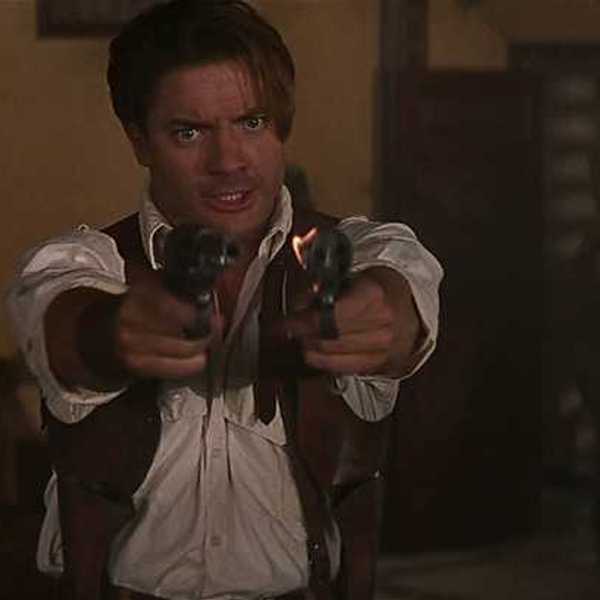
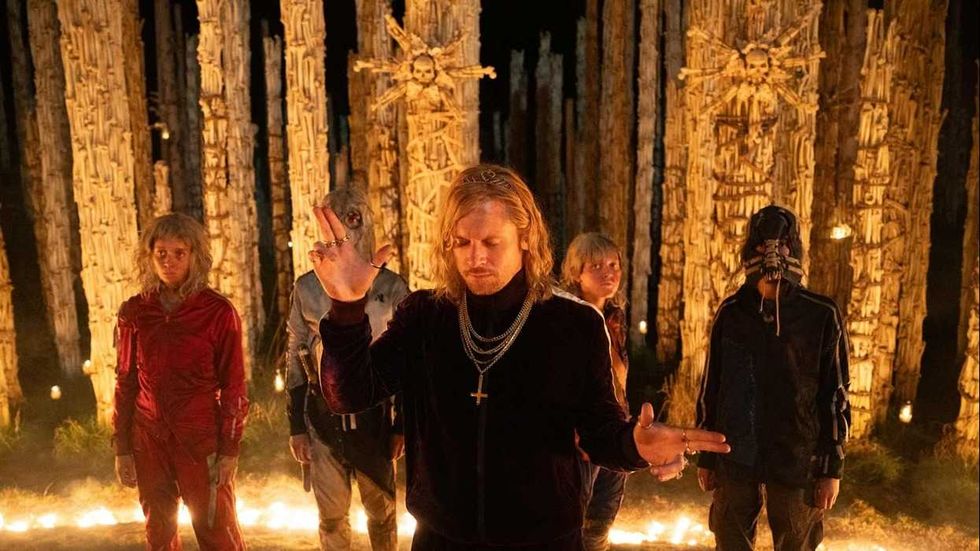
In one of the most daring sequels in recent memory, 28 Years Later: The Bone Temple switches character perspectives entirely. After the jarring cliffhanger of the previous film, the character of Spike (Alfie Allen) is left in the company of Jack O’Connell’s Jimmy Crystal and his gang of savages. Ralph Fiennes ’ Dr. Kelson finds himself working more concretely on a cure for the virus, and their paths inevitably intersect once more.
The fourth film in the zombie franchise focuses on the zombies the least in the franchise thus far. It also, by no coincidence, contains some of the most brutal violence in the franchise. All of it is at the hands of other humans, while the zombies themselves serve a more anti-hero-esque purpose. Through this lens, the film explores complicated themes surrounding the perversion of religion and the different ways people choose to cope with unimaginable tragedy. Where someone like Dr. Kelson tries his best to honor the dead and work towards a hopeful future, Jimmy Crystal turns himself into an insecure, albeit maniacal, tyrant who is more dangerous than any of the undead.
The one thing that may be difficult about The Bone Temple for new fans of the franchise is that it is the first film out of the four that requires you to have seen a previous entry to be able to grasp what’s happening. So if you haven’t seen the first 28 Years Later film (the technical third in the canon), make sure you scratch that one off first. Both films are currently streaming on Netflix.
Leviticus
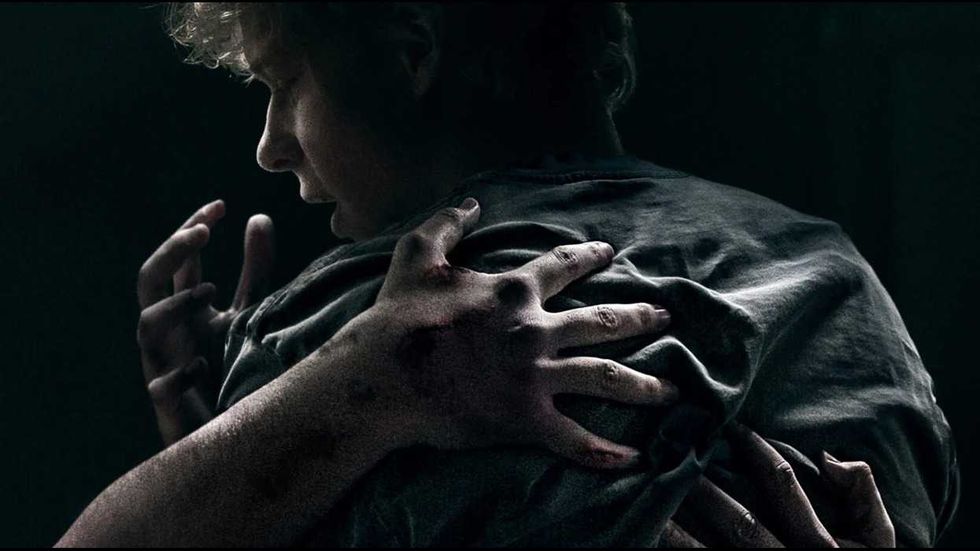 ‘Leviticus’Credit: Neon
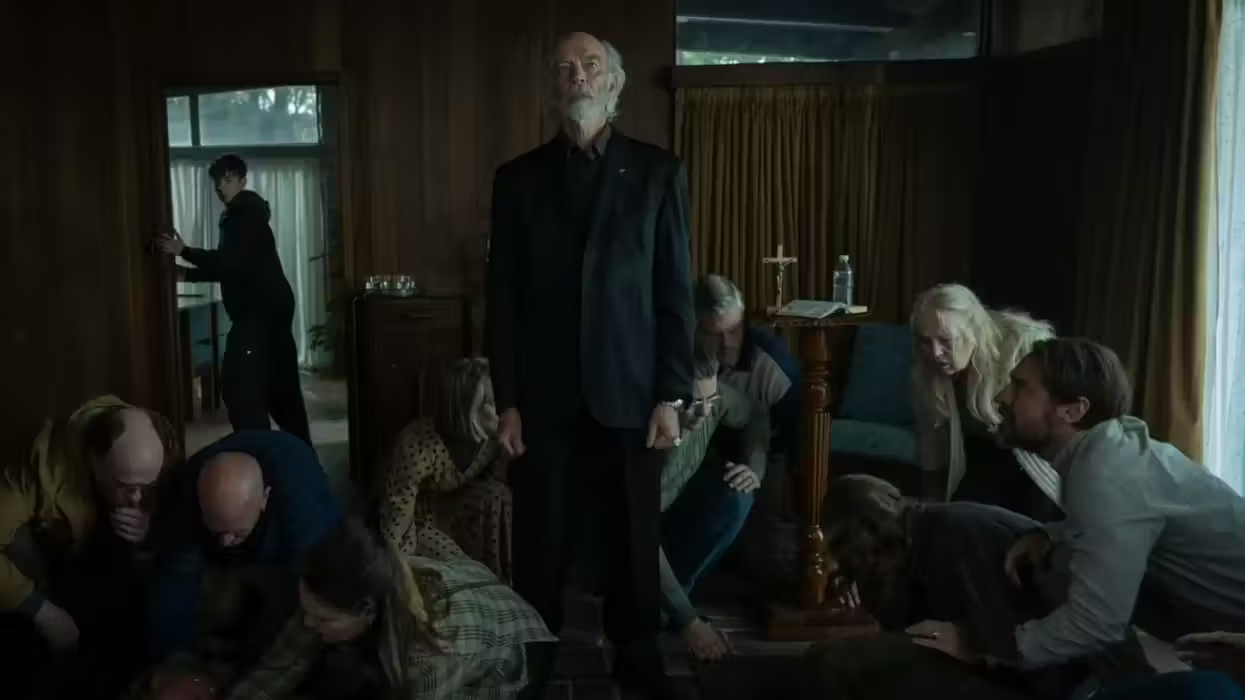
A 2026 Sundance darling, Leviticus follows two young men who have to fight off an entity that takes the form of the person they desire most - each other.
The film functions on a conceptual level as a sort of queer retelling of It Follows, yet like all great works in the genre, and film in general, it harnesses its clear inspirations and comps to tackle something almost entirely different, thematically. Where It Follows tackled the commodification of human relationships and the selfishness that that entails, Leviticus does almost the exact opposite. What happens when hatred forces you to suppress a love that’s truly special? When you’ve been conditioned so aggressively that you come to legitimately fear the person you were once infatuated with.
For being an independent feature made under a small budget, the camera trickery at play in the film is astounding. It achieves a near-impossible trifecta in the genre in that it is 1.) Absolutely terrifying, 2.) Completely tragic and often devastating, and 3.) Somehow still allows you to walk away feeling some semblance of hope for not only the central characters, but the world around us as a whole. The film is beginning its limited theatrical run in the United States on June 19th, as well as in its home country of Australia on June 18th.
- What Are The Highest-Grossing Horror Movies of All Time? ›
- 6 Liminal Movies You Should Watch If You Love 'Backrooms' ›
- 8 Queer Horror Movies to Watch Before Pride Month Ends ›
- 12 Most Iconic Horror Movie Weapons of All Time: 2026 Edition ›
- The Most Overlooked Movies of 1994 ›
- 10 Overlooked Movies of 1991 | No Film School ›
- 1991 Had More Great Movies Than You Remember: 10 Overlooked Gems | No Film School ›
- The 1973 Horror Classic Overshadowed by ‘The Exorcist’ ›
- Overlooked Movies of the 1970s: This Jodie Foster Thriller Came Out the Same Year as 'Taxi Driver' ›
- 10 Overlooked Movies of 1993 | No Film School ›
- 6 Horror Movies To Watch for Hispanic Heritage Month ›