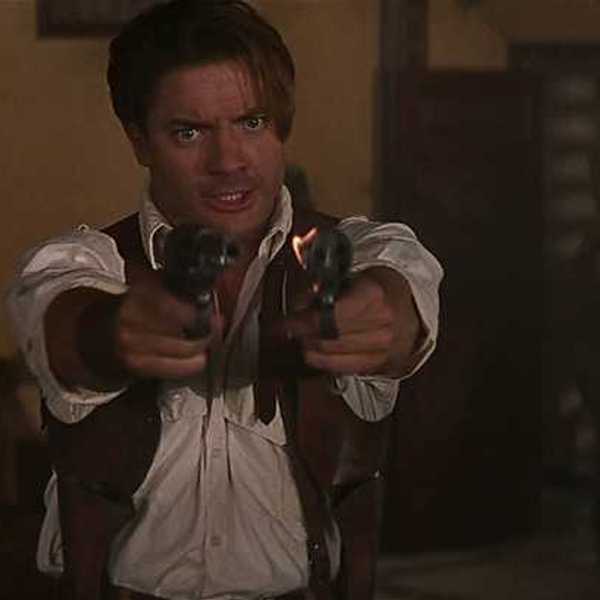
So, I'm a sucker for old action movies. And there's one kind I love in particular. It's an offshoot that follows just one person on their obsessive quest for justice.
We call it the "Lone Wolf" cop movie, and it usually follows someone with a badge, a gun, and a grudge against crime.
From the late 1960s through the mid-1990s, this was a box-office powerhouse. We got rogue heroes who got results because they were willing to break the rules and bend the laws they were meant to serve and protect.
But these characters fell out of favor as people became deeply skeptical of police authority altogether.
So, how did a genre that defined American cinema for three decades lose its badge and its gun for good?
Let's dive in.
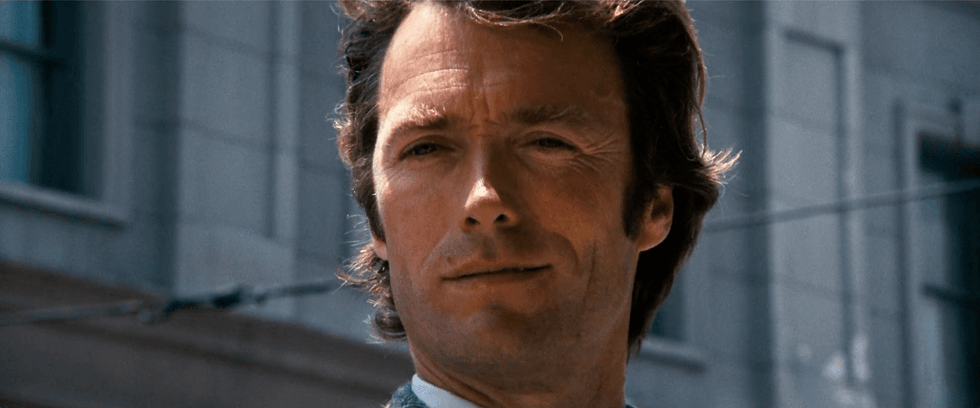 The Clint Eastwood Classic That Became John Wayne's Biggest Career Regret Credit: Warner Bros.
The Birth of the Renegade (1960s–1970s)
Okay, we have had cop characters since the dawn of movies, but they usually work in a team to catch criminals and gangsters. These were clean-cut guys who upheld societal norms.
But what happens when you begin to lose belief in society in general?
The 1960s and 70s were a tumultuous time in American life. The Vietnam War, political assassinations, the fight for Civil Rights, and the March on Washington had a generation of people disillusioned with the way the world worked.
In Hollywood, the collapse of the Hays Code allowed movies to suddenly dig into these topics with graphic depictions and moral ambiguity.
This is what audiences wanted, and they needed heroes who wrestled a wild world back into reality.
Now, I think this is a good place to point out that most of these cops were white and civilizing society for white people, but there was a cop in the 70s who got justice for black people as well.
The movies that defined this era were...
- Bullitt (1968): Steve McQueen gave birth to the quiet, cool detective who operates on his own frequency, prioritizing justice over procedure.
- Dirty Harry (1971): Clint Eastwood’s Harry Callahan codified the blueprint. Facing a sadistic killer and a weak-kneed political apparatus, Callahan is the ultimate reactionary antihero: The system is broken, so I am the system.
- Shaft (1971): Directed by Gordon Parks and starring Richard Roundtree, Shaft expanded the lone-wolf archetype into private investigation. John Shaft was a Black street-smart hero operating outside traditional law enforcement—dealing with corrupt NYPD brass, Italian mobs, and Black nationalist groups on his own terms. He proved the lone-wolf hero didn't need a police shield to enforce justice; his autonomy was his power.
 'Bullit' Criterion
The Golden Age: The 1980s Action Era
'80s action movies took the lone wolf to a new level. You went from cynicism to high-octane spectacle as we saw these guys take on much bigger threats.
Hollywood realized that a single guy against an entire criminal cartel was pure box-office gold, and they adjusted the character to fit the bill.
Some of the defining tropes of the genre were born overnight:
- The Chewed-Out Cop: The protagonist is getting yelled at by an angry Police Captain in a glass office for doing something bold and brave.
- The Hand-Over-The-Badge Moment: Getting suspended, only to go vigilante to finish the job.
- The Damaged Backstory: A dead spouse, an ex-wife, or a drinking problem to explain why he shuns partners.
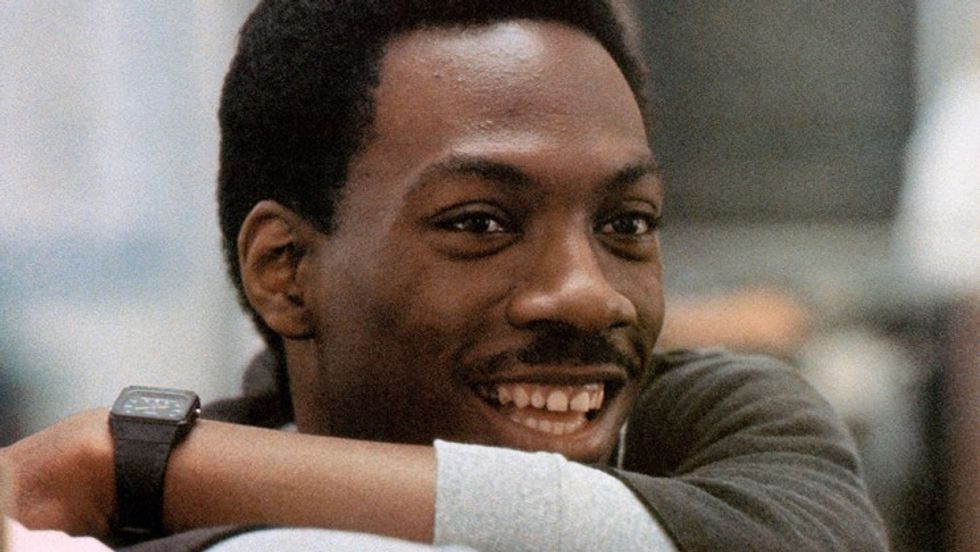
We saw this in movies like Cobra (1986), Die Hard (1988), and Beverly Hills Cop (1984). We even saw it lampooned in The Last Action Hero and Naked Gun.
Audiences loved these movies, but they had grown wise to the repeated storytelling beats. Audiences craved the rogue individual, but the world was changing, and they were getting wise to the expectations.
Why the Archetype Collapsed
The decline of the lone-wolf cop movie wasn't caused by a single factor, but rather by a perfect storm of audience fatigue, shifting social worldviews, and market mechanics.
You can pick out isolated exceptions to the world, but once we got into the 90s and saw Rodney King, the O.J. trial, and expanding perspectives on policing, people pulled back from cops.
We also liked seeing dynamic duos, so lone-wolf cops lost the fervor, and instead we liked these comedic pairings, like in Lethal Weapon and Rush Hour.
Let's dive into other mitigating factors.
1. Real-World Cultural Shifts
As I said up top, the lone wolf was built on the idea that the cop is always right, and civil liberties are just red tape getting in the way of real justice.
Well, as public awareness of police misconduct, corruption, and systemic accountability grew throughout the 1990s and 2010s, the idea of a cop going "rogue" and using unauthorized force transformed from heroic fantasy into a chilling reality.
People did not want rogue cops! They wanted order, procedure, and a world without what feltl ike an authoritarian presence.
2. Deconstruction and the Rise of the Anti-Antihero
Hollywood leans into tropes and makes movies around them, but it also deconstructs them to stand out. So we had filmmakers actively taking down the lone wolf cop while Hollywood was also mythologizing them.
Some examples of that:
- Heat (1995): Michael Mann showed that the obsessive lone wolf cop (Al Pacino) isn’t heroic; he's a tragic figure whose life is a burnt-out wasteland.
- Training Day (2001): Denzel Washington took the "rogue cop who gets results" idea to its terrifying logical conclusion of corruption and narcissism.
- The Wire (HBO, 2002–2008): This long study proved that real crime isn't solved by a lone cop with a gun, but by tedious institutional politics, wiretaps, and hard work that doesn't always get results.
3. The Blockbuster Shift: From Cops to Superheroes
What's funny is we kind of saw the shift from hero cops to superheroes. If an audience wanted a brooding figure taking down criminals outside the law, they had Batman.
And as soon as Marvel broke out, you saw a lot of guys in suits actually becoming lone wolf cops and then being forced to work together eventually.
4. The System Is Broken
We still have these characters today, but I feel like we largely see them as people rallying against institutions. Not beat cops or detectives with no friends, but people who exist in worlds.
What I mean by that is maybe someone like Mare in Mare of Easttown; she's a rogue cop, but not really. She has a boss, gets a partner, and while it's her own journey, she operates within the law.
The same goes for a movie like Sicario, where we see it's more a DEA agent trying to assimilate into CIA rules, which is a world where she realizes she can't fix anything.
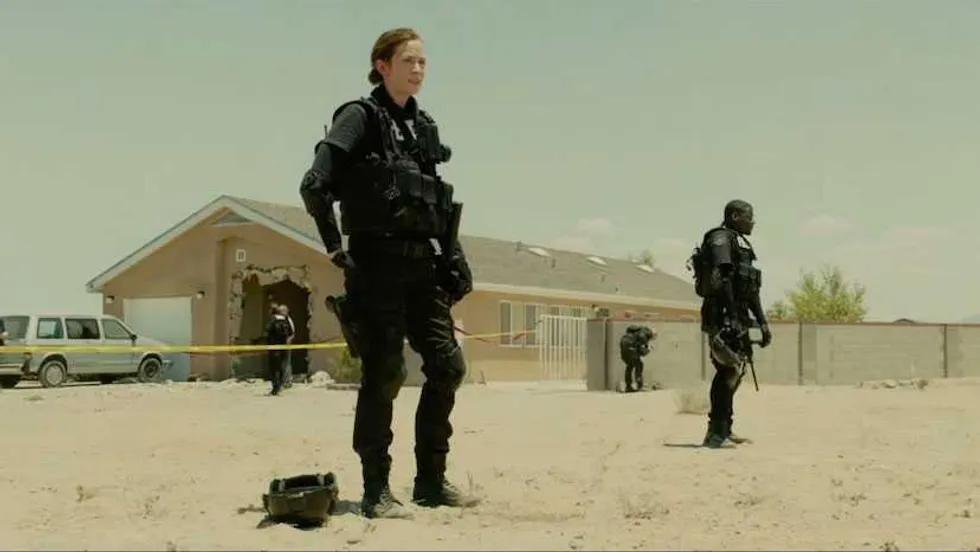 'Sicario' Credit: Lionsgate
Summing It All Up
The classic lone-wolf cop movie isn't dead; it just evolved into something far more nuanced and has exposed us to worlds deeper than just "good" and "bad."
If you have a new way in, now is the time. Hollywood is always looking for its next hero or anti-hero.
Let me know what you think in the comments.