How the Score of 'Psycho' Changed Movie Music Forever
Alfred Hitchcock's masterpiece was incredibly influential.
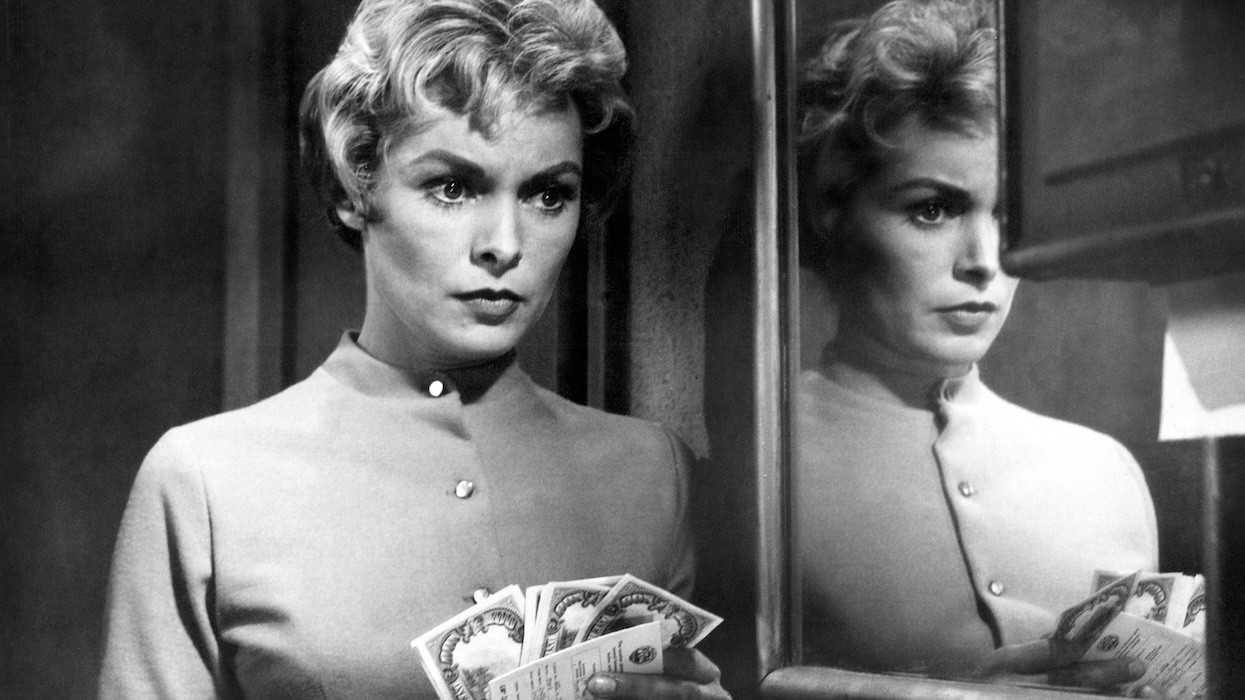
'Psycho'
Alfred Hitchcock's 1960 masterpiece, Psycho, is a landmark in cinema for many reasons, but its terrifying score by Bernard Herrmann has crossed from the movie into popular culture and ensured we'll never forget this slasher classic.
The music of Psycho didn't just accompany the horror; it became an integral part of it, forever changing the way filmmakers use sound to manipulate emotions and build suspense.
Today, I want to dive into that legacy.
Let's unpack how the Psycho score changed movie music forever.
Even if you haven't seen the movie, it feels like the score to Psycho is part of the cultural lexicon. We all know the shower scene and the screeching violins as the knife comes down.
Herrmann's decision to use only strings for the entire score was a stroke of genius. It created a cold, unsettling, and nerve-wracking soundscape that perfectly mirrored the film's psychological horror.
The audience is uneasy and disturbed.
But the brilliance of Herrmann's score goes beyond the shower scene.
The secret to his score was this thing called the "col legno," where the string players strike the strings with the wood of the bow. This creates a percussive, clicking sound that is eerie and permeates the film, so you never relax.
Herrmann also repeats his musical motifs, increasing the tempo and intensity to heighten tension and create a sense of impending doom as the story goes onward.
This technique keeps the audience on the edge of their seats, constantly anticipating the next shocking event.
So, How Did This Change Movies Forever?
The influence of Psycho's score can't be overstated. It became a template for horror films, with countless composers borrowing Herrmann's techniques to create their own terrifying soundscapes.
They wanted their scores to be easily identifiable with the villains as well.
Think about how John Carpenter did Halloween's score so it sticks with us. Or how Friday the 13th tells you when Jason is around the corner.
Psycho started all of that.
This impact goes beyond the horror genre, influencing filmmakers and composers across all genres to experiment with unconventional sounds and styles.
Even Jaws borrows from Psycho, with the shark getting its own theme. And Star Wars, with Vader's leitmotif.
All of this came from years of Herrmann and Hitchcock working together on many movies, so that by the time they worked together on Psycho, they had a mutual respect and understanding for each other's willingness to experiment and to try different things.
When Hermann spoke about collaborating with Hitchcock over the years, he told Sight and Sound Magazine, "Hitchcock, for example, is very anxious for you to tell him when you see a rough cut where you plan to use music, because if you’re using music, he’ll cut it differently. A scene without dialogue may seem endlessly long by itself, but appears to shorten with the music. Psycho has many scenes like this, which seemed to take place in a few seconds, yet the sequences are quite long. The opposite happens with the shower murder, which only lasts about ten seconds. People will tell you that it goes on forever, but it’s the intensity of the music which makes it seem so. You always work with Hitchcock from the beginning, from the time of script. He depends on music and often photographs a scene, knowing that music will complete it. If that is the case, he may eliminate dialogue completely. When we worked on VERTIGO, he said when we came to the famous recognition scene, ‘If we’re going to have music, we won’t have one word of dialogue; we’ll just have the camera and you.’"
Summing It All Up
The music of Psycho is a testament to the power of film music to shape our emotional experience, and it remains a masterclass in the art of suspense.
Let me know what you think in the comments.
- Score Deadly When Composing Music for Agatha Christie ›
- How to Score a Neo-Noir, Paranoid Thriller Like 'Gazer' ›
- How to Compose a More Chaotic Film Score ›
- How Hitchcock’s ‘Psycho’ Changed Movie Marketing Forever | No Film School ›
- How Psycho Changed the Theatrical Experience ›
- Screenwriting Lessons From ‘Psycho’ That Every Writer Needs to Hear ›
- 40 Years Later, This Alfred Hitchcock Sequel Remains Undefeated ›
- 4 Movies That Were Inspired By Alfred Hitchcock's 'Psycho' | No Film School ›