All the Movie and Pop Culture References in Tarantino's Reservoir Dogs
Tarantino loves pastiche and homage, and just taking stuff.
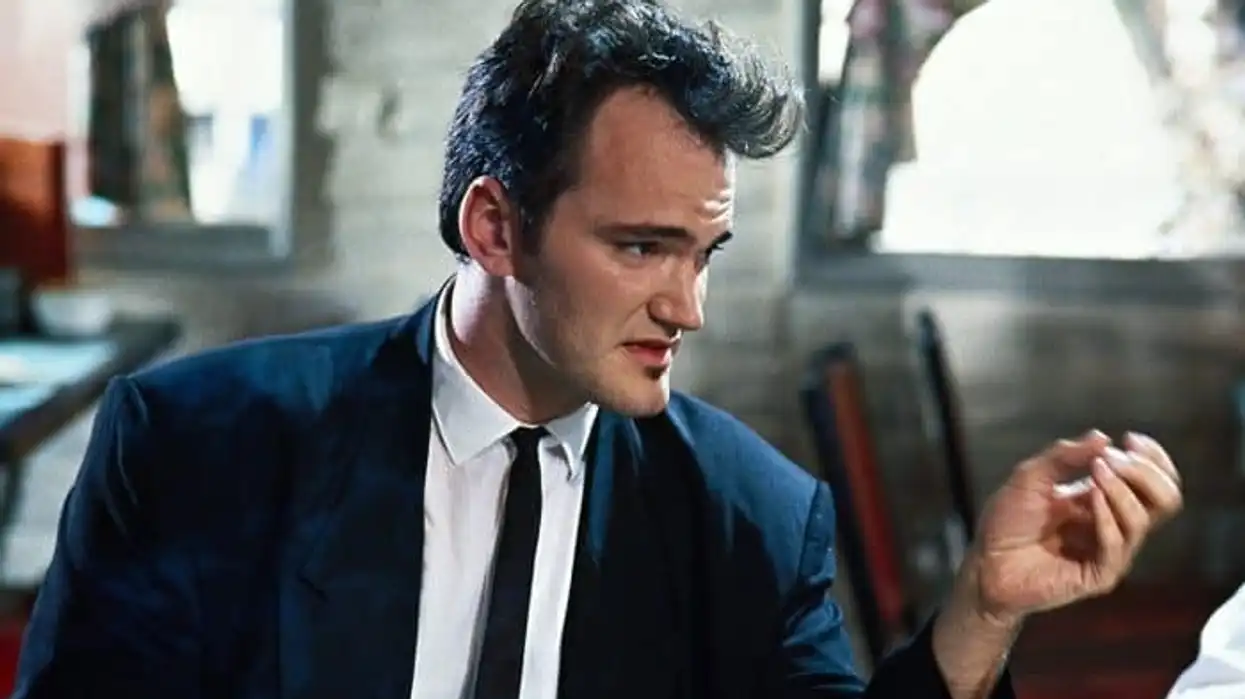
I have been on a kick rewatching all the Quentin Tarantino movies, and of course, I am doing it in order, which means I started with the noisy Reservoir Dogs.
It's a movie that felt so fresh and exciting that it shook all of Hollywood and changed the way people watched movies and consumed popular culture.
This was a movie that could only come from someone obsessed with consumption.
Tarantino was a guy who felt like he was dropping easter eggs for astute watchers and introducing new viewers to a cinematic language that contained homages, pastiche, and straight-up genius theft from some of the greatest movies ever made.
Today, I want to dive into the references in Reservoir Dogs and discuss how Tarantino made them his own.
Let's go!
- YouTubewww.youtube.com
The Title Page
In the printed copy of the Reservoir Dogs script, Tarantino cites many of his influences. The names he references are:
- TIMOTHY CAREY
- ROGER CORMAN
- ANDRE DeTOTH
- CHOW YUEN FAT
- JEAN LUC GODDARD
- JEAN PIERRE MELVILLE
- LAWRENCE TIERNEY
- LIONEL WHITE
Direct Film Homages & Inspirations
Right at the top, I figured we should check out the literal moves that Tarantino used to give Reservoir Dogs its pop culture aesthetic.
Now, remember that Tarantino once famously said, "I steal from every movie ever made."
So you better believe that Reservoir Dogs wears its influences on its sleeve.
- City on Fire (1987): Directed by Ringo Lam, this Hong Kong action movie served as the main inspiration for Reservoir Dogs. We have the jewelry heist, the warehouse standoff, and the undercover cop, too.
- Crime Wave (1954): Directed by André De Toth, is another major influence. De Toth’s film centers on a heist gone wrong and the tense, claustrophobic safehouse aftermath where criminals gather to lay low. Tarantino dedicated the screenplay to André De Toth (among others).
- A Better Tomorrow II (1987): This movie rocks; you have to see it to believe some of the action in it. John Woo's sheer coolness and direction here inspired the iconic black suits and sharp ties worn by the Dogs.
- The Taking of Pelham 1 2 3 (1974): Tarantino borrowed the idea of assigning color-coded aliases (Mr. Pink, Mr. White, Mr. Blue, etc.) to keep a heist crew anonymous.
- Au Revoir Les Enfants (1987) & Straw Dogs (1971): Okay, so before his big spec sales, Tarantino was working at the Manhattan Beach Video Archives. There, he dealt with a lot of customers who mispronounced Louis Malle's French drama Au Revoir Les Enfants as "that reservoir movie." Tarantino took that idea and blended it with Sam Peckinpah's gritty thriller Straw Dogs. And thus, a title was born.
- Do the Right Thing (1989): In the opening diner scene, Mr. White jokingly says, "You shoot me in a dream, you better wake up and apologize." Spike Lee used a similar line, but both directors were channeling Muhammad Ali, who said this first.
- The Lost Boys (1987): Mr. Orange mentions Joel Schumacher’s weird vampire classic while speaking with his police handler. Intriguingly, the villain in The Lost Boys owned a video store, which is Tarantino was waving at all his friends and telling them he made it.
- YouTubewww.youtube.com
Celebrity Name-Drops
Who doesn't love a good name drop? Tarantino's characters live in our world and deal with all the people we know and the pop culture we've seen.
It comes up in dialogue all the time!
- Lee Marvin: Mr. Blonde bets that Mr. White is "a big Lee Marvin fan," which immediately signals White's code of honor.
- Charles Bronson: The actor is name-dropped by Mr. Brown in his "Like a Virgin" diatribe.
- John Holmes: The infamous porn star is referenced by Mr. Brown during his same analysis of Madonna's song.
- Anna Karina: French New Wave royalty and muse to Jean-Luc Godard. The jewelry store targeted in the heist, Karina’s Fine Jewelry, is named directly after her.
- Marlon Brando & Doris Day: Brando is name-dropped by Holdaway during Mr. Orange's undercover prep. Doris Day is referenced by mob boss Joe Cabot.
- Donald Trump: Said casually by Joe Cabot during a conversation about money.
Comic Books
This is where we get the real freak flag flying. Tarantino’s background in pop pulp extends into comic book panels. We'd see it come up again in his work on Crimson Tide, which gets planted in this movie in a poster on a wall.
- The Marvel Universe: Mr. Orange describes the imposing Joe Cabot as looking like The Thing from The Fantastic Four.
- The Silver Surfer: A poster hangs prominently on Mr. Orange’s apartment wall, and later, in Crimson Tide, Tanraino writes a famous monologue about Jack Kirby's Surfer. You also get subtext here because in the comics, the Surfer betrayed Galactus, just like Mr. Orange betrays the gang. In addition to all that, the Silver Surfer poster is also a direct visual nod to Jim McBride's 1983 remake of Jean-Luc Godard’s Breathless, where Richard Gere’s protagonist is obsessed with the comic character. McBride's film was one of Tarantino's influences.
TV
It wasn't just movies and comics; we had a few TV references in the movie as well.
- During the extended banter surrounding 1970s female action leads, the characters debate Anne Francis in Honey, West, and Pam Grier in Get Christie Love!
- This is wild because it kind of sets up his own universe where Tarantino casts Grier in Jackie Brown a couple of years later.
- British pop show Top of the Pops also gets a quick mention.
What's Your Favorite Reservoir Dogs Deep Cut?
Tarantino showed independent filmmakers that pop-culture literacy could be used as a legitimate storytelling device and kind of changed the way people see movies.
He was young and brash when he burst onto the scene and demanded we pay attention. That kind of chutzpah is admirable, and I hope we still live in a world where Hollywood would reward it.
Let me know your pick in the comments.