How Tarantino Hides The Camera In the ‘Reservoir Dogs’ Opening Scene
Tarantino directed casual chaos with his first-ever scene.
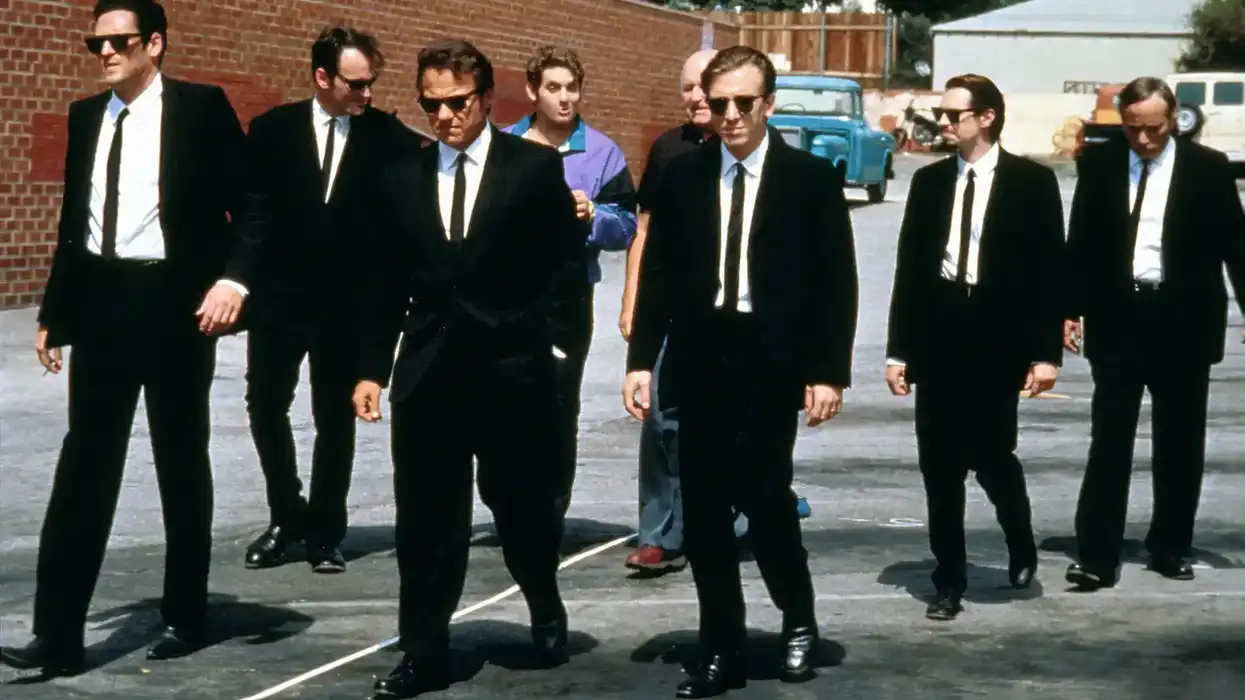
Reservoir Dogs (1992)
The opening scene of Reservoir Dogs (1992) is exceptionally raw, chaotic, humorous, and definitive of a style Quentin Tarantino would be recognized for, even decades later.
Unlike a typical opening scene, there is no setup. There isn’t a montage of city visuals or an outdoor shot of the diner these men are seated in. We jump right into a ridiculously entertaining conversation centered around topics like Madonna’s ‘Like a Virgin’ and the tipping culture.
While we are hooked onto the conversation these men are having, just like the characters, we are completely unaware of the camera, and that’s the point.
So, what exactly is so clever about Tarantino’s use of the camera in the Reservoir Dogs opening scene? Let’s jump right in and explore.
What Is Reservoir Dogs (1992) About?
In Quentin Tarantino’s debut feature, a group of criminals is brought together to perform a high-stakes heist. None of these men knows each other’s names. They refer to each other with the names assigned, such as Mr. Brown, Mr. Pink, Mr. Blonde, among others.
When the robbery goes off the rails, the criminals begin to suspect that one of their crew members is an undercover cop. The survivors of the heist regroup at a hidden warehouse and turn on each other.
Tarantino tells this story in his iconic, non-linear fashion. We move back and forth between timelines and slowly learn about the real identity of the undercover cop. The dialogue is effortlessly natural and free-flowing. The characters frequently break into discussions about songs, movies, and TV shows to a strong humorous effect.
With Reservoir Dogs, Quentin Tarantino announced himself as a bold new voice in cinema.
Opening Scene: A Natural Conversation On The Page And On The Camera
Right from the script level to what we see on screen, Reservoir Dogs is a lot about the dialogue. It’s about the easy-going nature of what men speak about, whether they are regular people or criminals. Akin to how hitmen speak about foot massages in his next film, Pulp Fiction (1994), this one also has conversations that aren’t typically “gangster conversations.”
Now, how does a director bring the effortlessness from the page to the screen? Tarantino found an exciting and daring way. Right from the beginning, he moves the camera around the table as the characters speak. He deliberately moves behind their backs.
In some instances, we see mostly the back of a character, but their words keep us engaged in the scene. Tarantino tries to draw attention to what these men are talking about. The messiness with which the camera keeps going to “black” every time it faces a character’s back mirrors the messiness of the conversation these men are having.
The blocking feels casual and unimportant, as it should feel in a scene like this. None of the elements in this opening scene feels staged for a camera. It always feels like the camera is there somewhere, hiding in plain sight, capturing what the criminals are talking about.
Tarantino uses no wide shots to establish the scene. We have no clue about who these men are; Tarantino is aware of that and wants it to be that way.
“Hello, Audience, Why Don’t You Participate?”
Clean, sweeping establishing shots coupled with well-composed close-ups of each of these men would disarm the chaotic nature of this conversation. It would also make us, the audience, feel more like an audience and less like a participant.
By hiding the camera and discreetly moving it behind the backs of his actors, Tarantino makes us participants in their conversation. As the scene goes on, he slowly decides to go wider and establish clearer profiles of his actors, but still, not so wide and informative that we would be comforted.
Tarantino maintains the chaos and madness of the conversation and the scene by constantly keeping the audience guessing. On a dialogue level, we are already trying to figure out who these people are, beyond their “opinions about things”. But Tarantino wants us to focus on the mundanity, because that’s what tells us a lot about people that regular film dialogue does not.
Hypothetically, if you were a participant or a fly on the wall in this conversation, where would you place yourself? Think about it. You wouldn’t sit at the table, obviously. You’d be somewhere around, hiding and moving around to not be seen, but still close enough to hear every word.
So, in the Reservoir Dogs opening scene, the camera is us, and we are the camera.
How Tarantino Keeps This Style Consistent Throughout The Film
You might wonder if this camera style is specific only to the opening scene. The answer is no, that couldn’t be further from the truth. Tarantino maintains this shooting style and emphasizes it at many important moments in the story. His choice of camera movement isn’t just stylistic; it’s also thematic and symbolic.
The film is a lot about the truth of one’s identity, deception and how people behave when others aren’t watching. At multiple points during the film, Tarantino places the camera at an “observer’s” point of view. By that, I mean, he places the camera at a place where you would place yourself if you were in the scene, listening to these characters.
Tarantino kicks this off right from the opening scene, establishing the visual language of chaos without wasting any time. When the men are at the warehouse, Tarantino makes us feel as though we are in the room with them.
A fabulous example of this scene is the torture scene of the policeman. [Viewer discretion advised. This scene is violent.]
Tarantino shoots this scene with a real-time feeling. There are no quick cuts or easy escapes for the audience. He wants you to sit back and watch Mr Blonde (Michael Madsen) go mad.
Final Thoughts
A great director has a distinct style that feels utterly and unapologetically unique to them. Quentin Tarantino is one such director. With the opening scene of Reservoir Dogs, Tarantino displayed immense control over the medium. The chaotic nature of the scene and how brilliantly it hid the camera set the tone for the rest of the movie.
What is your favorite Quentin Tarantino scene? Tell us in the comments!
- Dissecting the Opening Scenes of Quentin Tarantino Movies ›
- Which Kubrick Movie Inspired Tarantino's 'Reservoir Dogs'? ›
- Download the 'Reservoir Dogs' Script & Read Vintage Tarantino ›
- Tarantino Reveals How 'Golden Girls' Helped Make 'Reservoir Dogs' Happen ›
- Watch: Does Tarantino's 'Reservoir Dogs' Stand the Test of Time? ›
- Three Ways to Make Your Camera Disappear in a Mirror Shot | No ... ›
- Tarantino Turned Down Daniel Day-Lewis, Sean Penn, and William ... ›
- How Many People Has Quentin Tarantino Killed (On Film)? This ... ›
- 10 Must-See Michael Madsen Performances | No Film School ›
- Setting the Stage: 5 Greatest Movie Opening Lines Of All Time ›
- All the Movie and Pop Culture References in Tarantino's Reservoir Dogs | No Film School ›