7 Screenwriting Contest Red Flags
Don't let scammy sites take advantage of you.
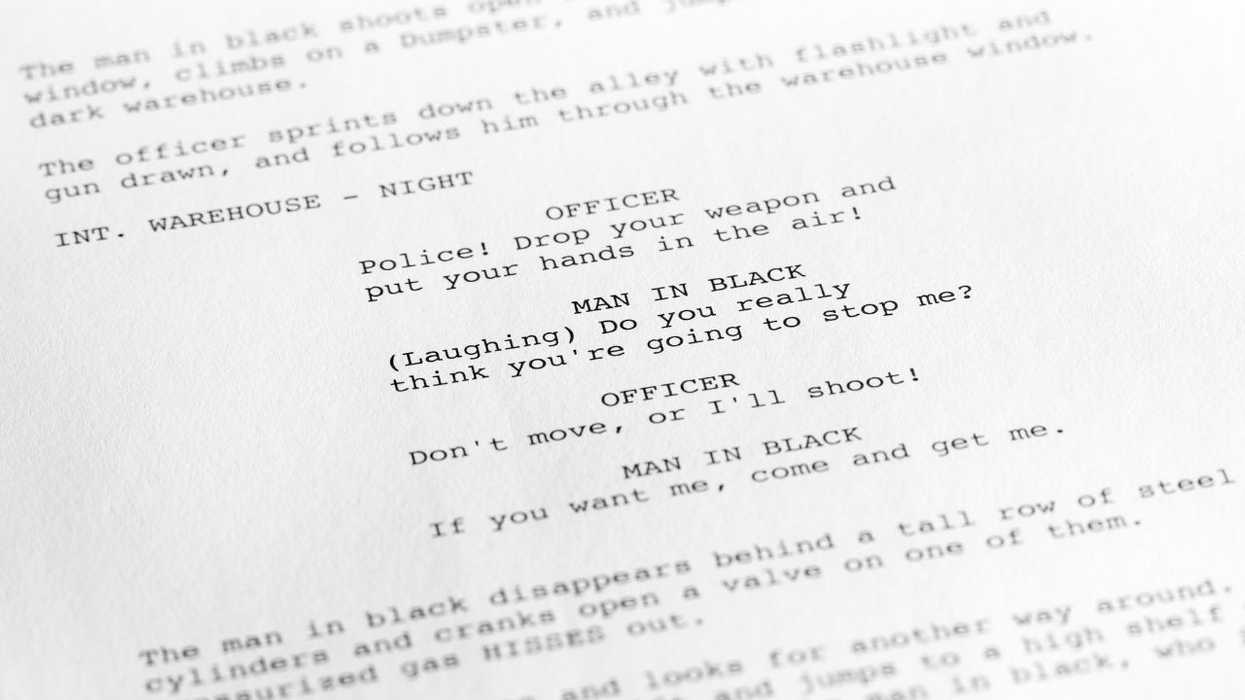
Screenwriting contests can be great opportunities to gain industry exposure, secure representation, and potentially get your script optioned. They can be one of the more accessible ways to break in.
Most competitions are legitimate and deliver what they promise, but because writers' dreams are involved, there are some bad actors who will jump at the chance to take advantage.
The difference between a career win and a costly mistake often comes down to recognizing the warning signs before you hit "submit."
While most screenwriting contests are legitimate, taking a few minutes to verify can save you money and disappointment. Your script deserves a real shot at success. Make sure any contest you enter can actually deliver on its promises.
Look out for these warning signs and ask questions if you feel the contest doesn't meet your standard of legitimacy.
Huge Reading Fees
While many legitimate screenwriting contests charge reasonable entry fees to cover costs, be wary of competitions asking for exorbitant amounts to read your screenplay while offering little information about what they provide in return.
Some random website charging $100 or more with minimal details about judges, prizes, or industry connections is a huge red flag.
Compare this to established contests like the Austin Film Festival, which offers free reader comments and opportunities for semifinalists and finalists to meet agents, managers, and executives.
Vague Industry Promises
Some contests advertise connections with "industry professionals" or promise that scripts will be read by producers and agents, but provide no specifics.
They make sweeping claims about winners getting their scripts to major companies, but there's no evidence of anyone actually securing representation or deals through the contest.
Anyone can throw together a website and slap a few logo PNGs on a page. That doesn't mean those connections really exist. If a website seems sparse otherwise, or there's no news coverage of the contest, maybe hit pause on your process.
Legitimate contests will name their industry contacts, provide specific examples of past successes, and often feature testimonials from writers who found real opportunities.
You Lose Script Rights
Read those terms and conditions carefully. Some contests claim ownership of your screenplay or specific rights to it simply by entering. Others might require you to agree to representation from their "agency" as a condition of winning, potentially locking you into unfavorable deals.
Protect your work and read the fine print.
Anonymous Judges or Questionable Credentials
Genuine screenwriting contests will identify their judges and provide credentials you can verify on IMDb or other industry databases.
If the judging panel consists of anonymous readers or people with no apparent film industry experience, your script evaluation becomes essentially random. You should at least know who is on the finals round jury panel.
Contests backed by established festivals, production companies, or industry professionals with verifiable track records are generally safer bets than those with mysterious or unqualified judging panels.
Name-Dropping
Don't be fooled by screenplay contests that use the names of famous cities or film festivals like Cannes, Toronto, or New York to provide the appearance of legitimacy.
Let's be real, getting to a festival or its associated events is fairly easy, as long as you have the means and time. So someone purporting to "bring your script to Cannes" could just be a person taking a trip and going to mixers with no real intent to share your work. You might be better off going to the festival yourself and trying to make real connections.
Random contests claiming association with major film centers without proof should make you suspicious.
No Track Record
Any legitimate screenwriting contest should be able to show what entering has done for previous winners. The website should list past winners, what they're up to now, and provide specific examples of representation, options, or career advancement that resulted from the contest.
Winning something can be a nice feather in your cap, so if that's all that matters to you, great. But if you search winner names and find no evidence of their continued success in the industry, maybe steer clear.
Additional Fees
Beyond entry fees, questionable contests often charge extra for services that should be included. Some require additional payments to receive promised feedback, attend winner ceremonies, or access industry contacts. Others might promise to submit your winning script to agents or producers for an additional fee.
Writer testimonials from industry forums document cases of people paying hundreds of dollars for promised meetings that only turned into requests for more money. Don't fall for this!
What to Do Instead
The screenwriting world offers plenty of opportunities to get your work noticed by industry professionals.
Platforms like FilmFreeway provide contest submission services, while resources like the International Screenwriters' Association offer vetted competitions and industry connections.
Before you submit anywhere, spend time researching the organization and searching for the contest name plus "scam" on Google.
Industry watchdog sites like Writer Beware maintain databases of questionable operations across all writing genres.
Stay safe out there and keep writing.
- 3 Easy Tips That Will Give You a Better Chance in Screenwriting Contests ›
- Stage 32 Announces a Replacement to Coverfly | No Film School ›
- How Changes to the Nicholl Fellowship Submissions Will Affect You ... ›
- Which Screenwriting Competitions Are Worth Entering? | No Film ... ›