Everyone has an interesting route to the top, and R. Hollis Smith has a pretty wild one, even for Hollywood. He began mixing techno in Dallas bedrooms and eventually walked through the legendary doors of Electric Lady Studios as a sound supervisor and re-recording mixer.
His career spans audio engineering, fast-paced radio advertising, and independent filmmaking, and most recently has lent his ears to the intimate, arena-sized world of Noah Kahan: Out of Body.
We sat down with Smith to discuss his journey, the delicate art of balancing 50 years of SNL music archival audio, and how he translates raw vulnerability into a cinematic soundscape.
Let's dive in.
- YouTubewww.youtube.com
NFS: Could you tell us a bit more about your background in music and how that might have prepared you for your work on Noah Kahan: Out of Body?
R. Hollis Smith: I have been a music lover for my entire life. By the time I was in my mid-teens, I started to study piano with the dream of being a recording artist. In the early 1990s I began buying synths and samplers to produce house and techno music in and around the Dallas club scene. Although I am a fan of pretty much every genre, I was really into dance music then, and it could be made from my bedroom. In those days, electronic music forced you to learn recording, mixing and mastering yourself. You weren’t taking it to someone to mix it for you at that level.
In 2000, I left Dallas and moved to NYC. I became more interested in the art and skill of recording & mixing to make producing music easier. So I took out a loan and went back to school part-time at night to get a degree in Audio Engineering. While still in school, I was laid off from my day job as a network administrator. So I started reaching out to every studio in Manhattan to get the audio life underway. The only place I really wanted to work was the legendary Electric Lady Studios that Jimi Hendrix built. Of course, thinking that was a pipe dream. When Electric Lady called me back the very next day, it blew my mind. In fact, they were the only studio to call me back at all. How crazy is that?! Though it was a tough time for the music industry, that place changed my life. It gave me exactly what I wanted and needed.
After a few years, I wanted to move into post-production, which oddly led me to a studio called McHale Barone that focused on advertising for radio. It was close enough, and turned out to be more beneficial than I could have guessed. The super-fast pace of advertising and the fact that you have to convey everything with just sound over the radio taught my brain to think in terms of how to tell a story without visuals, and under a deadline. Eventually, the work expanded to include TV spots as well. But during that time, I was taking on independent short films, low-budget pitches for TV pilots, and continuing to mix records for bands.
The real leap forward was in 2012 when I offered to sound design and mix a documentary that a friend that lived on my block was making called Bending Steel. I had never done a feature-length doc or film before. Much of it was filmed down the street from me, and all the Foley, sound design, and mix were done in a spare room in my apartment. But that scrappy film made it into the 2013 Tribeca Film Festival. It was so encouraging to have success like that for a first film project. That opened some doors for me, and the documentary world became a big part of my life, leading up to today.
With Noah Kahan: Out of Body, the combination of loving and working in music and loving and working in film allowed me to combine both of my passions. It doesn’t get better than that.
NFS: You also served as supervising sound editor and re-recording mixer on the 50 Years of SNL Music special. Can you think of any similarities or differences between your approach to these two music-centric docs?
RHS: They were actually quite different. For SNL’s 50th, it was almost entirely archival recordings over 50 years. But the moments that Questlove chose for the special were iconic. So the real focus was to try to create some consistency between different eras of TV sound. The technology changed so much, the difference could be quite striking. So I had to do what I could to have old and new together, without losing that characteristic sound of their respective eras. The objective was to give nostalgia some updated flair and make it stand up next to the modern performances.
For Noah, the goal was more immersive. There are his lush & expertly crafted studio recordings, but I also had the privilege of being the music mixer for all the concert performances in the film, which allowed me to try to create the feeling of being there in the auditorium.
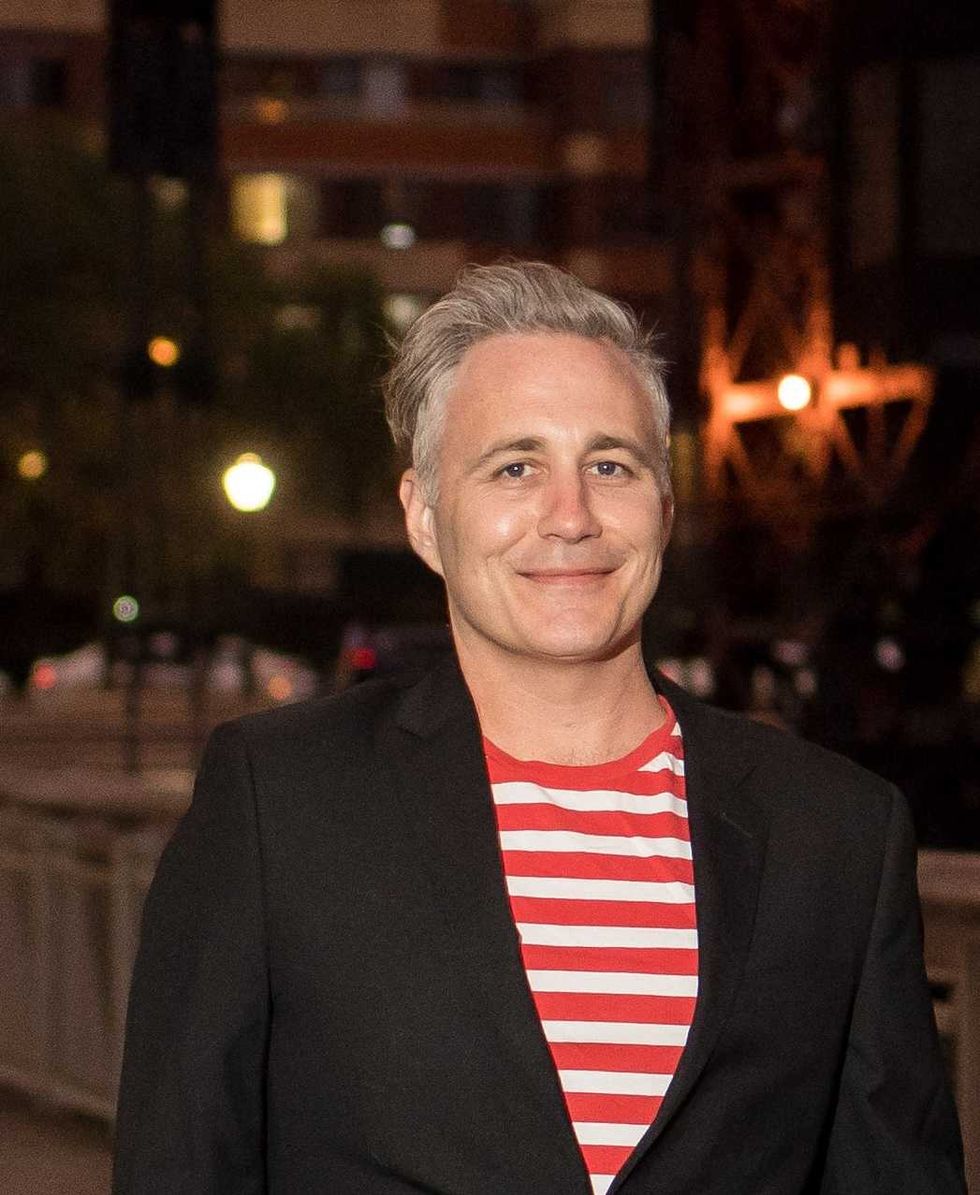 R. Hollis Smith Credit: Impact 24
NFS: What was it like to witness Noah Kahan's real-time breakout alongside the Out of Body doc?
RHS: Witnessing someone that just a short time prior was playing small venues and clubs to suddenly playing sold-out arenas is amazing. Seeing how well he stepped up to it is so impressive. As an observer, it feels so natural when he’s on stage. Because he puts so much of himself into his music, it lends itself to huge, shared experiences for his fans. There’s a lot of love there.
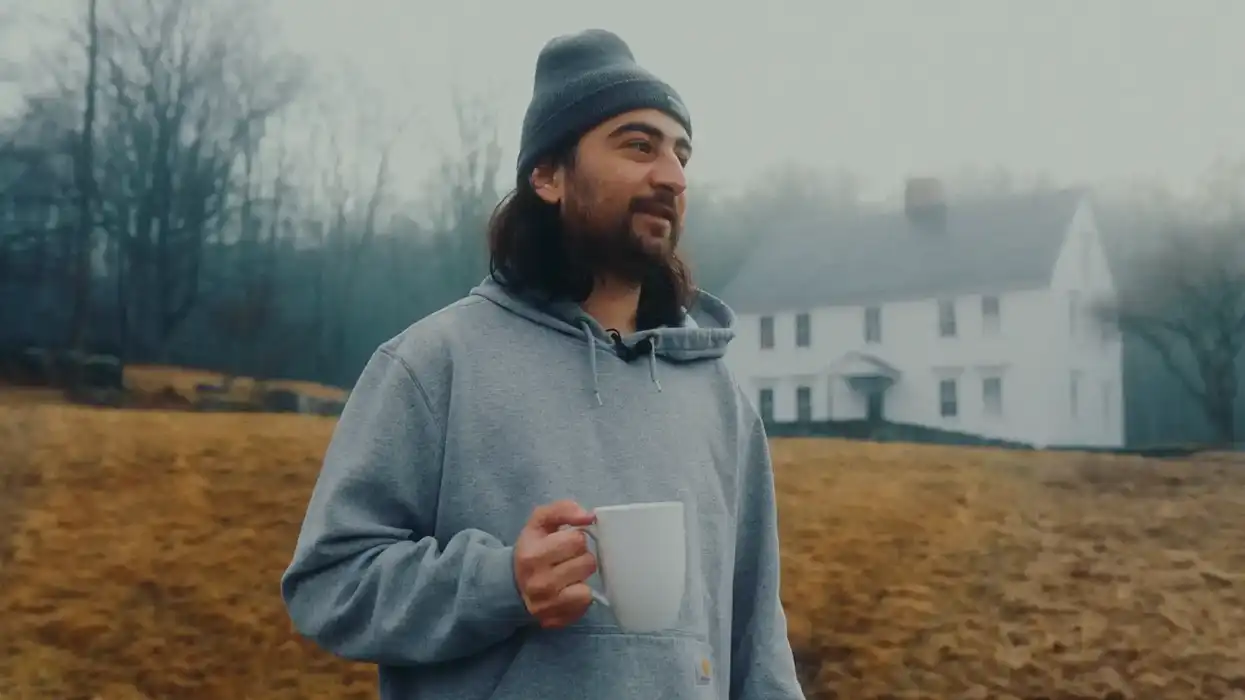
NFS: Besides the music elements, what creative considerations went into shaping the soundscape of Noah's family home in Vermont?
RHS: The shots in Vermont were naturally tranquil. Sound design-wise, it suited the most serene ambience, with the calmness of “home” in mind. Because of that, it automatically juxtaposed everywhere else in the film.
NFS: Noah is incredibly vulnerable in the film. How did you hope to reflect that vulnerability in the sound design?
RHS: When he was expressing himself, it was best to not get in his way. By keeping the moments to their essentials, the goal was to make it as intimate as possible.
NFS: Do you have any dream artists or musicians you would love to sound-design a documentary/concert film for?
RHS: Cinematically & sonically, a current documentary/concert for U2 would be a standout. Their shows are such spectacles, and all four of them are such distinct characters.
NFS: Is there anything else you would like to share about Out of Body or any upcoming projects?
RHS: The next upcoming project is another great film for Questlove and Radical Media: Earth Wind & Fire: To be Celestial vs That’s the Weight of the World. It premieres on June 3rd at the Tribeca Film Festival, and hits HBO on June 7th. I have been very fortunate to have so many music projects this year.