9 Movies That Pulled Their Studios Back from the Brink
Against all odds, these films revived studios that were on their way to bankruptcy.
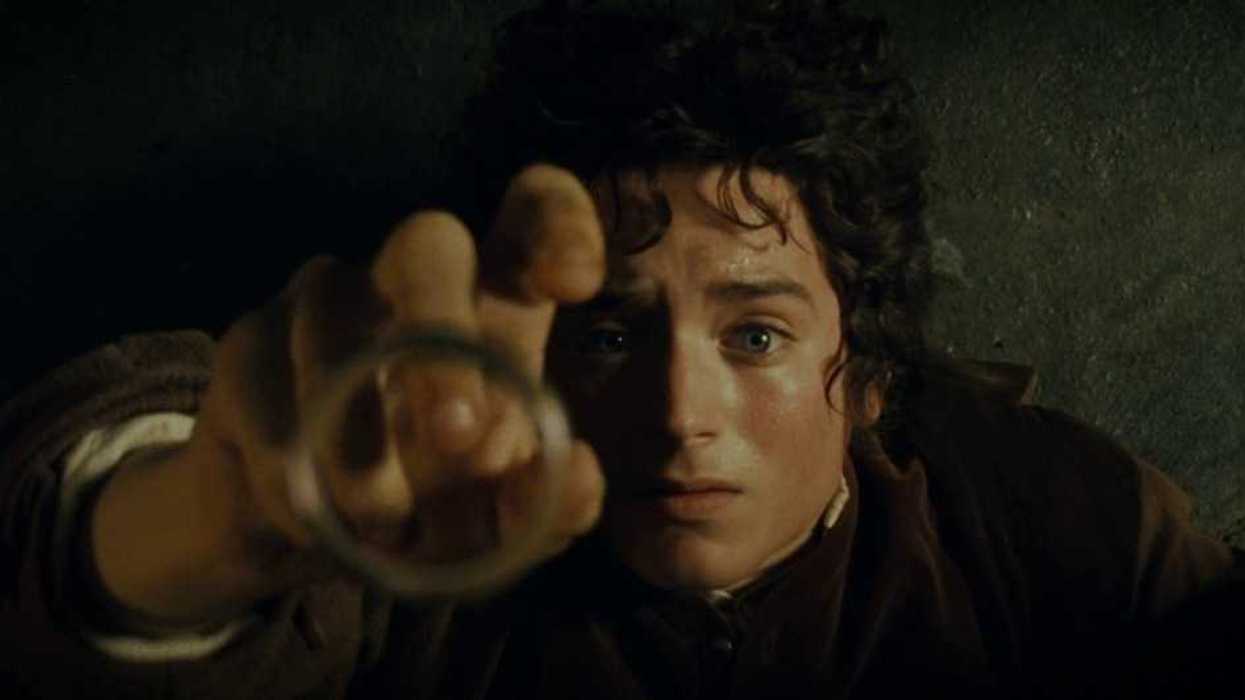
Elijah Wood in a still from The Lord of the Rings: The Fellowship of the Ring (2001)
Hollywood likes to act tough, but it’s fragile enough to be left shaking after a series of underperforming releases and low theater attendance. You have some box office failures, or sometimes just a single but huge one, and your empire is on the brink of bankruptcy. History is well stocked with examples of once-dominant studios that failed.
Or, almost failed.
In the case of some studios, they were lucky enough to make all the right decisions that went into making one movie that helped them live to fight another day. We examine nine of those saving graces in this article. We will explore the conditions that forced studios into a corner and compelled them to risk everything to make these “lifeline” movies, and these movies returned the favor with astounding box office performances that changed the course of Hollywood history.
The 9 Studio-Savers
These are the 9 movies that, apart from leaving behind cinematic and cultural landmarks, remind us that a single, outstanding tale can occasionally save an empire.
1. Jaws (1975)
Written by: Peter Benchley, Carl Gottlieb | Directed by: Steven Spielberg
Studio: Universal Pictures
Universal had been facing quite a slump since the beginning of the ‘70s and was in desperate need of a serious hit. The makers chose Jaws based on the success of its novel, chose a young, up-and-coming Spielberg to direct, and hoped for a smooth-sailing production. Even though the production was chaotic, over budget, and constantly falling behind schedule, a few factors worked like a charm: Spielberg’s directorial acumen, John Williams’ iconic score, and a new wide-release strategy. What Universal got was a summer blockbuster and an unprecedented box-office collection. It not only stabilized Universal’s finances but also set a new studio trend for distributing and marketing their big releases.
2. Star Wars: Episode IV — A New Hope (1977)
Written by: George Lucas | Directed by: George Lucas
Studio: 20th Century Fox
Having suffered a series of expensive flops, 20th Century Fox was just a step away from bankruptcy and was not in the mood for making anything big. That’s why, when George Lucas pitched Star Wars, the executives halfheartedly green-lit the project but allotted only $11 million for production. They didn’t really think much of it, so they gave Lucas the merchandising rights as soon as he asked for them. As we all know, upon its release, Star Wars made history. Its mythic storytelling and revolutionary visual effects appealed to the audience. Its astronomical success not only revitalized the studio but, thanks to the deal he made with the studio, helped Lucas build a very successful merchandising empire.
3. Superman (1978)
Written by: Mario Puzo, David Newman, Leslie Newman, Robert Benton | Directed by: Richard Donner
Studio: Warner Bros.
In the late ‘70s, Universal and Fox were out of their financial crunch and were basically printing money. Warner Bros. wanted to catch up, and to do this, they needed a big hit, or better yet, a franchise that could assure business for years. This desperation motivated them to gamble a whopping $55 million on Superman. Upon its release, Christopher Reeve’s charm and the out-of-the-box special effects wooed the audience and made the movie a huge commercial success. It didn’t remain a one-movie wonder; as we all know, Superman turned into one of the most lucrative superhero franchises of all time.
4. Batman (1989)
Written by: Sam Hamm, Warren Skaaren | Directed by: Tim Burton
Studio: Warner Bros.
The studio had a string of moderately successful movies through the ‘80s, but they needed a definitive box office smash. Taking inspiration from the Superman franchise, the studio decided to bet on another superhero; only this time, it would be a darker and more serious version of Batman. But the casting of Michael Keaton, a comedian, in the titular role caused a backlash. Regardless of this initial glitch, Tim Burton’s direction and a genius marketing campaign gave Warner Bros.. Their biggest hit of the ‘80s.
5. The Crying Game (1992)
Written by: Neil Jordan | Directed by: Neil Jordan
Studio: Miramax
A small indie distributor at the time, Miramax was a tenacious studio but constantly on the brink of ruin. They decided to take a chance on The Crying Game, a small Irish-British thriller with a surprise twist in the end, which big studios had passed on. For marketing, they chose to go the “word-of-mouth” route instead of opting for a wide release. They literally begged the publications and the audience not to reveal the secret. All this paid off when the movie became a sleeper hit that exceeded all expectations.
6. Toy Story (1995)
Written by: Joss Whedon, Andrew Stanton, Joel Cohen, Alec Sokolow | Directed by: John Lasseter
Studio: Pixar/Disney
In the early ‘90s, Pixar was a money-losing hardware company that Disney didn’t know what to do with. The studio at the time thought it would be risky to bet on a fully computer-animated feature film. Disney, however, collaborated with Pixar anyway. The production went slower than anticipated, but Toy Story was finally born. The movie’s smart, heartfelt script and innovative visuals worked out phenomenally. Pixar not only proved its value but also ended up revolutionizing the animation film industry.
7. The Matrix (1999)
Written by: Lilly Wachowski, Lana Wachowski | Directed by: The Wachowskis
Studio: Warner Bros.
Warner Bros. was experiencing a slump after a series of high-profile flops and needed a revitalizing lifesaver, like Superman or Batman. When the Wachowskis pitched them this cyberpunk, philosophical sci-fi that required martial arts and state-of-the-art special effects, the studio was intrigued yet reluctant. Further brainstorming on the executive level finally resulted in the green light for the movie. The complex and deeply philosophical script and never-before-seen visual effects, such as “Bullet time,” captivated the audience, and the film became a global word-of-mouth phenomenon. The Matrix gave Warner Bros. the enterprise it needed to launch a multimedia franchise.
8. The Lord of the Rings: The Fellowship of the Ring (2001)
Written by: Fran Walsh, Philippa Boyens, Peter Jackson | Directed by: Peter Jackson
Studio: New Line Cinema
In the late ‘90s, New Line Cinema was a mid-tier studio that never appeared on the blockbuster list. Taking on something as big as a three-part epic, based on the beloved classic novels, was an existential risk to the studio. They took the project up anyway and shot all three movies simultaneously before the first one was even released. The movie’s success was of optimum importance. You could say it was a do-or-die situation. But all bets paid off upon the movie’s release. The mythical and immersive worldbuilding of The Fellowship of the Ring was a massive success and also ensured the success of its upcoming sequels. Together, these three movies earned billions for the studio, along with 17 Oscars, and launched New Line Cinema (later merged with Warner Bros.) as an influential Hollywood player.
9. Iron Man (2008)
Written by: Mark Fergus, Hawk Ostby, Art Marcum, Matt Holloway | Directed by: Jon Favreau
Studio: Marvel Studios
Marvel is a huge studio today, but back in the mid-2000s, it wasn’t. It had to put a few character rights as collateral to get funding, so you can imagine. Casting of Robert Downey Jr., then an actor that many would consider problematic, was a liability. Hiring Jon Favreau was also not a popular choice back then. Be that as it may, the movie turned out to be magnetic—Downey Jr.’s electric, witty charisma paired with Favreau’s slick direction and grounded approach clicked with the audience, and not only did the movie turn out to be a smash hit, but it also launched a full-fledged Marvel Cinematic Universe.
- How Hollywood is Betting On Blockbusters to Save Cinemas ›
- New 'Star Wars' TV Show coming From 'Russian Doll' Creator | No ... ›
- Let's Go Over the Marvel Movies in Order of Release (Chronological ... ›
- A Brief History of Disney's Bizarre Relationship With Aspect Ratios ... ›
- How Broken is Disney+? | No Film School ›
- How Do Disney and Pixar Come Up with Those Ingenious Stories ... ›
- What The Hell Is Happening in Hollywood Right Now? | No Film ... ›
- 10 Massive Box-Office Bombs of the 2000s: Iconic Flops Ranked ›