On the surface, Terrence Fletcher in Whiplash can be understood as a simply abusive, overcommitted musical director. But thanks to Damien Chazelle’s script and J.K. Simmons’ iconic performance, the more the film progresses, the more layers to his personality and backstory are properly unearthed.
Let’s take a look at what makes his character such a compelling antagonist.
Easing into the Abuse
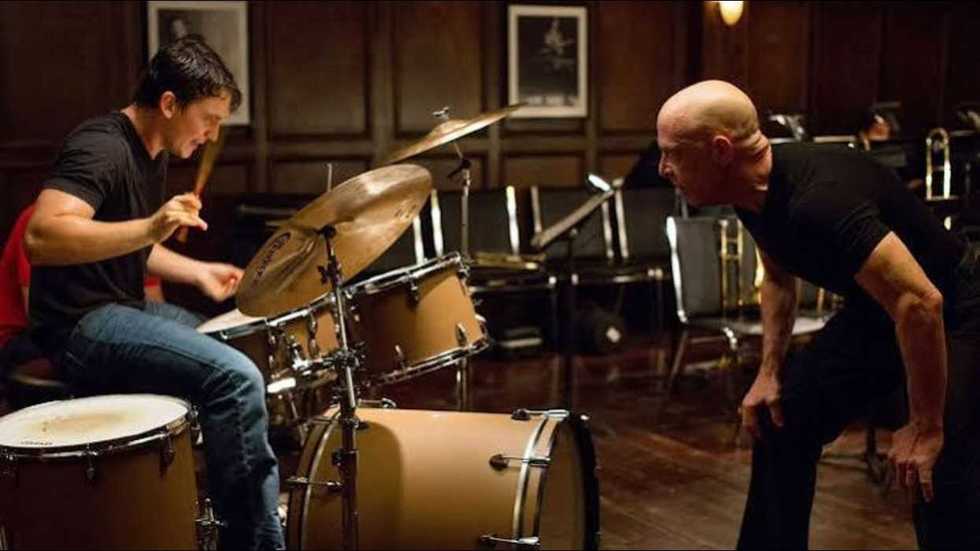
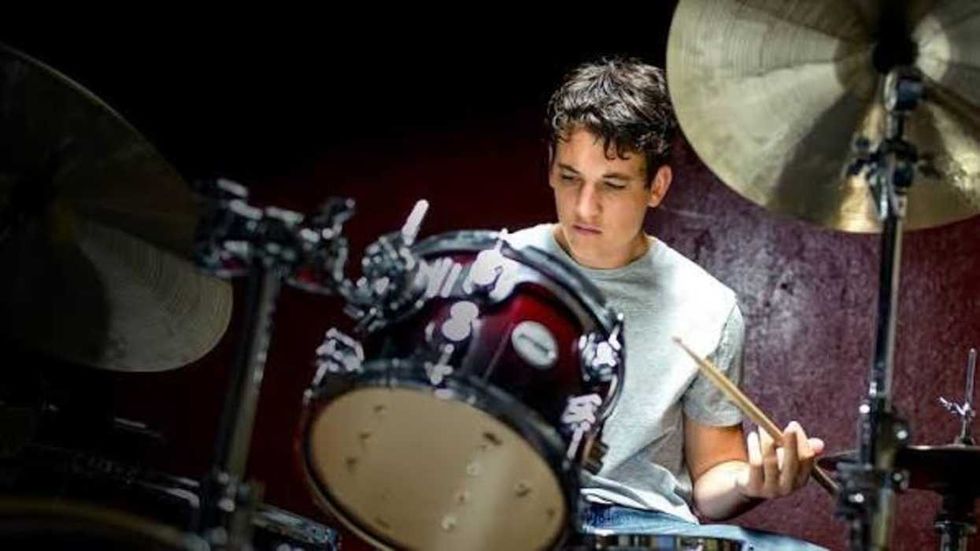
When Andrew Neiman (Miles Teller) first arrives at Fletcher’s class at the Conservatory, it’s clear that he’s a feared figure. He verbally assaults his students, and even kicks one out of the band entirely for something he didn’t even do. But according to Fletcher, not knowing if you’re responsible is bad enough.
Despite all of this, he’s really soft on Andrew at the start. He makes him feel comfortable, compliments his performance, and slows down the tempo for his first couple of attempts. Then comes the chair to the head. Literally. Fletcher wanted Neiman to let his guard down just enough to be comfortable in his presence before aggressively forcing it away. It’s at this moment that Andrew’s toxic cycle of relentlessly seeking Fletcher’s approval begins.
Tragedy Strikes
 Caption: ‘Whiplash’Credit: Sony Pictures Classics
During a particularly heated battle for a percussion part in the next competition, Fletcher gets a phone call and has to leave the room. In a huff, Andrew follows him into the office, where he finds Fletcher dejected and in tears. He expectedly accosts him and throws him out of the room. It’s revealed that the phone call was to inform Fletcher that one of his students had committed suicide due to the stress that Fletcher had inflicted on him during his time as a student.
This is the first time that we see Fletcher exhibiting an authentic, raw sense of emotion that’s undeniably unguarded by some other motivation. It certainly makes sense why he would have an adverse reaction to another character, particularly Neiman seeing him in that state. While it’s likely that he had genuine remorse for his actions, even for a brief moment, it’s not until much later in the film that we learn the real cause of death and motivation for it.
The Manipulation of the Tragedy
For a while, we think that this student’s death was an accident, because that’s what Fletcher tells the rest of the band. He plays the band a recording of the student on the saxophone, and tearfully laments how phenomenal a player he was.
In hindsight, this is one of the most chilling scenes in the film as it perfectly highlights the intense sociopathy going on in Fletcher’s head. Once again, his tearful emotions and internal sense of regret are likely authentically felt. However, his expression of these emotions in front of people is for purely self-serving reasons. He continues to trap his players in his web of abuse, while attempting to deter any further investigation into the death of the student.
He likely would have succeeded entirely if the sadistic game he plays with Neiman throughout the film didn’t come to such a bloody, physical head in a later concert hall where Neiman attacks him after being expelled. It’s only after this that Neiman learns from the authorities what really happened to the former student.
Does He Get Away With it?
 Caption: ‘Whiplash’Credit: Sony Pictures Classics
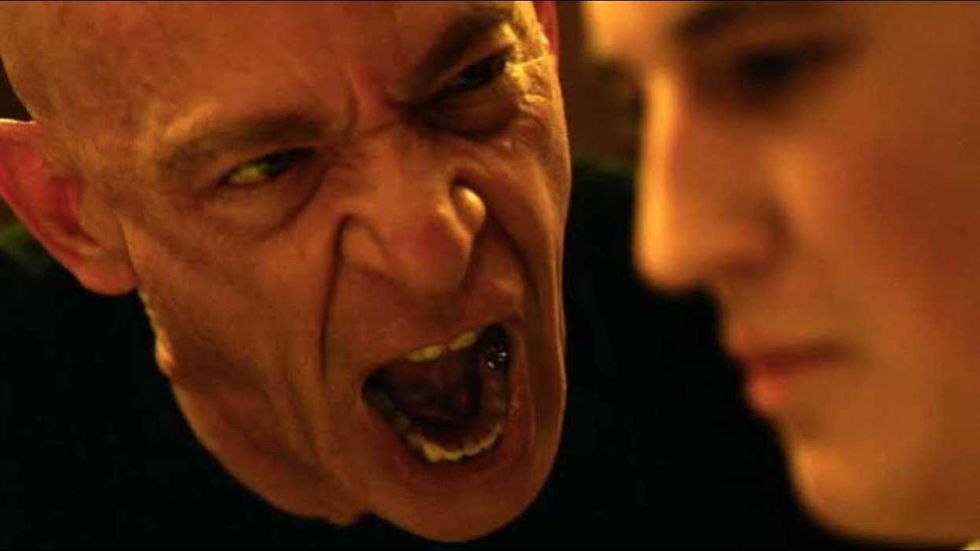
Fletcher is promptly removed from instruction at the Conservatory and goes back to playing Jazz at dive bars and putting on smaller shows. That is, until he once again weaponizes likely authentic emotions to manipulate Andrew into returning to his instruction for a new show.
While having a conversation with Fletcher at one of these dives, Andrew is shocked at how personable Fletcher truly can be when he’s not hurling a chair at his head during practice. His humor is self-deprecating, his philosophy on why he’s so aggressive has some solid weight to it, and he sticks to his guns while showing genuine remorse for what happened to Neiman and his former student. Sure enough, by preying on Andrew’s desire to be great, even after giving up completely, he’s roped him right back into his trap.
For the first time in the film, during the climax, it becomes a game of cat and mouse between Fletcher and Neiman. At first, Fletcher ambushes Neiman with a song he has no idea how to play, seemingly crushing him. Neiman, famously, then comes back and hijacks the song to fit what he needs, virtually spitting in Fletcher’s face. Initially, he’s furious, but when he sees the audience going along with it, he suddenly snaps back into focus.
As Neiman’s drum solo progresses, Fletcher abandons the rest of the band almost entirely in favor of conducting Neiman on his own. While initially apprehensive, Neiman realizes the approval he’s receiving from Fletcher and begins to go along with his conducting, even queuing Fletcher in at key moments for the rest of the band. The final moment of the film shows Neiman committing another spectacular solo off the top of his head, with Fletcher seemingly on top of the world. It appears at first glance that Fletcher was able to get exactly what he wanted in the end: his own Charlie Parker. It’s just whether or not Neiman suffers the same fate as Charlie Parker after the credits roll that determines whether or not the film should be perceived as a tragedy. In my mind, it’s too clear a parallel not to be, but if you feel differently, I’d love to hear why.