Writing can be a challenge for many reasons—often it feels like a puzzle you're trying to put together, but you don't have all the pieces when you start, or the pieces change on you as you go. And figuring out where the last few fit to create a full picture can be the biggest obstacle of all.
How you end your screenplay can color everything else. Miss the mark, and it sours the rest.
I'm a little bitter because I just read a novella where everything went wrong in the final chapters (it jumped the shark, it killed off and brought back characters within a few consecutive pages, it had a time jump, it was a mess). An ending needs to address a story's key questions and bring each character to a form of resolution.
With this in mind and understanding how difficult endings are, I went in search of some commentary on the topic and found Tucker Berke's video in which he identifies a few things writers should set up and pay off for a satisfying ending. Check it out, then look into the takeaways.
- YouTube www.youtube.com
What to Set Up
Throughout your screenplay, you're essentially creating tension points that need resolution. Berke likens these to knots on a rope. The tension points emerge from conflicts, unanswered questions, and character decisions that keep audiences invested in what happens next.
Your ending will depend on what comes before. You want the start and end to echo each other narratively or thematically (perhaps using a bookend) and answer all the questions you pose at the start. So here's what you need to lay as a foundation as you begin a story.
A strong ending reveals whether your protagonist gets what they've been fighting for. From your opening pages, audiences need to understand what drives your character forward, and this should be compelling enough to sustain dramatic conflict across your entire script.
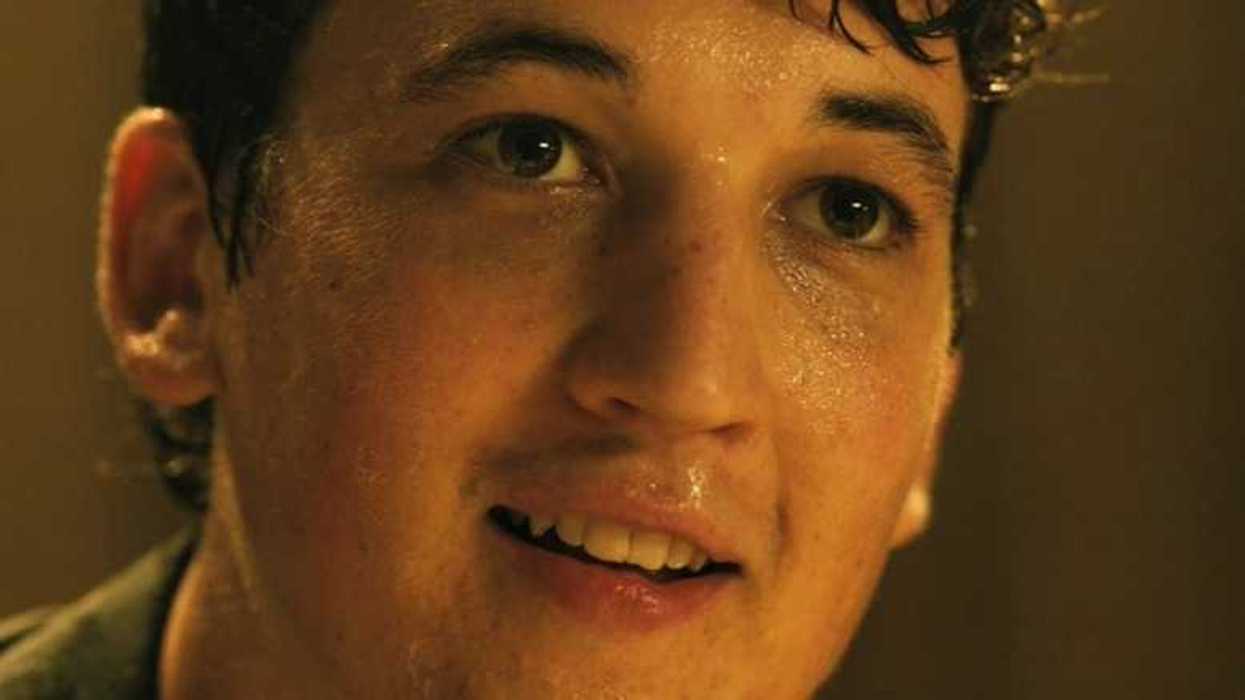
Berke uses Whiplash as an example. This character wants to become a great drummer. This is something we can understand quickly.
But giving your protagonist something to chase isn't sufficient. Better drama comes from an internal obstacle that threatens to sabotage everything. This is where character flaws come into play. Flawed heroes create better storytelling opportunities because they give you dramatic tension, internal conflict, and the possibility of change.
Your character's flaw is the warped perspective or destructive belief system that keeps sabotaging them. These are limitations, weaknesses, or undesirable qualities in a character's personality that shape their actions and decisions throughout the story. In Whiplash, Andrew wants to be a great drummer, but his flaw is his dependence on Fletcher's approval. That dependence forces him into increasingly destructive situations and bad decisions. Great scripts imprison protagonists in places that constantly attack their flaw.
Finally, great stories ask deeper, philosophical questions in addition to the internal and external conflict. As Berke points out, Whiplash examines the cost of pursuing excellence at any price. Spider-Man 2 wrestles with whether personal fulfillment can coexist with duty to others.
Every scene, every character interaction, every choice circles back to this central question. Writer Craig Mazin says this thematic question should be something you can argue about.
Writers should know their endings first, as endings could change by the time you connect them to the beginning via the middle, but at least you know where you are going.
 Whiplash Credit: Sony Pictures Classics
The Four Steps to Writing a Great Ending
Once you've established your character's goal, their flaw, and your story's deeper question, you're ready to construct an ending that pays everything off. Here's how to build it.
#1: The Final Test
Raise the stakes higher than they've ever been. Your protagonist faces the worst possible threat to both their goal and their flaw. Everything they've worked for hangs in the balance, and the pressure is crushing.
As you move into your final act, your protagonist should understand the challenge ahead and have some strategy for confronting it, even if that plan ultimately falls apart.
#2: The Point of No Return
Before your character can make their final choice, drag them even lower than rock bottom. On beat sheets, this is sometimes called "the low point." This moment needs to feel impossible to recover from. The audience should think there's absolutely no way the protagonist could come back from this defeat. Their dream appears officially dead.
#3: The Choice
Your character stands at a crossroads. They must address the character flaws that underlie their conflict.
This is the defining moment. Does your protagonist keep running from their flaw, or finally face it and grow? Everything in your story has built to this decision.
The choice reveals character. It shows us whether they've learned anything from their journey or whether they'll stay trapped in the same patterns. Make sure this decision stems organically from everything we've seen before. Don't introduce new information or motivations at the last second.
#4: The Transformation
The final beat demonstrates how your character's journey has fundamentally altered them through decisive action. They do something that would have been impossible for them in your opening pages. This moment should address your thematic question through behavior rather than dialogue.
This is where you answer your story's deeper question through action, not exposition. Show us what your character does differently now because of everything they've experienced. Let the transformation speak for itself.
The Four Steps in Jaws
Let's break down how these four steps work in practice by looking at the ending of Jaws.
In the film, Chief Brody's goal is to protect the people of Amity Island from the shark. His flaws are his fear of water and his insecurity as an outsider who can't protect his community.
Step one: The stakes reach their height when Brody finds himself out on the ocean aboard the Orca with Quint and Hooper, hunting the shark. This is Brody's worst nightmare. Brody must confront both his external goal and his internal flaw at once.
Step two: After witnessing the death of Quint, Brody struggles inside the flooded cabin of the sinking Orca. Brody is alone in the water with the shark. Everything he's feared has come true in the worst possible way.
Step three: Brody decides whether his fear will paralyze him or whether he'll finally act. As a last-ditch effort to survive against the shark, he climbs up the boat's gin pole and makes a final stand.
Step four: Brody kills the shark with an air tank and his gun. This is the action he never could have taken at the beginning, when he couldn't even enter the water when a child was drowning on the beach.
In the final scene, swimming back to shore, Brody quips that he used to hate the water. He's faced his fear and come out stronger. It's a strong ending with a fun button that helps the entire story feel complete.
Let us know other instances where you've seen these steps play out in film climaxes.
- What is Freytag's Pyramid? | No Film School ›
- Elements of Storytelling That Will Help You Write Emotionally ... ›
- How to Write Your Script's Climax | No Film School ›
- Screenwriter Michael Arndt On How to Write Insanely Great Endings ... ›
- How Films Come Full Circle: Endings That Mirror the Beginning ›
- The Art of the Exit: 10 Movies with a Flawless Final Scene ›
- The Final Goodbye: Why the Last Line of ‘Léon: The Professional’ Is Perfect ›
- How ‘The Shawshank Redemption’ Quietly Set Up Its Ending Long Before The Escape ›