All 9 ‘The Conjuring’ Universe Movies Ranked
If you haven’t watched all the movies from The Conjuring universe, are you really a horror fan?
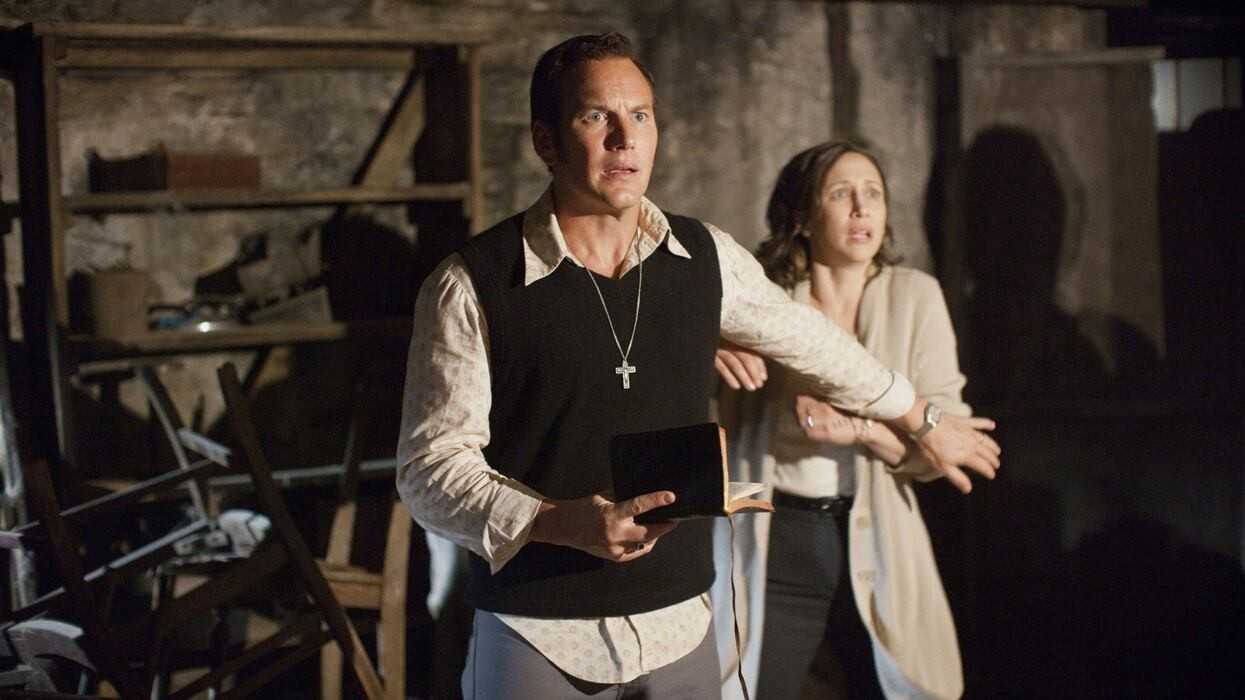
'The Conjuring'
James Wan revitalized the genre with The Conjuring (2013), one of the most popular film franchises in the horror genre that remains at the top of the binge-watch list for most horror lovers.
By emphasizing family, faith, and resilience, The Conjuring franchise blends horror and humanity, like your morning coffee: dark, bitter, and sure to get your heart pumping.
While some of the movies in the franchise are more popular than others, each of these films has become a blueprint for aspiring horror filmmakers.
In this article, we have ranked all the films in the The Conjuring franchise, including the spin-offs and reboots, in order of our least to most favorite.
All The Conjuring Universe Movies Ranked (Worst to Best)
9. The Nun (2018)
Not the brightest attempt in horror, Corin Hardy’s The Nun lacks the gravitas of the other films in the franchise, but if you’re a fan of Valak, the malicious spirit from the depths of hell, you might as well watch it, as it digs deep into the demonic entity’s origins. The narrative follows Sister Irene (Taissa Farmiga), who gets possessed by Valak (Bonnie Aarons), after a portal to hell is inadvertently reopened, causing Valak to transcend into this realm. In the end, Irene is saved, but the villager Frenchie (Jonas Bloquet), who helps them, is revealed to be possessed by Valak, who in the sequel, Nun II, becomes one of the central characters.
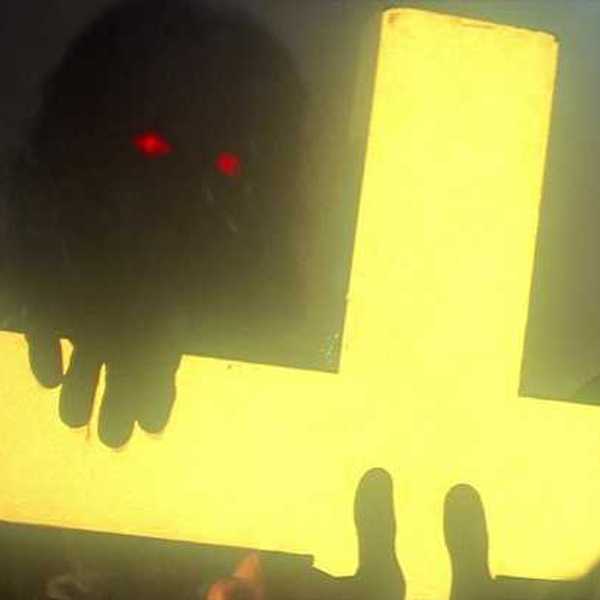
Hardy’s film falters at pacing and narrative development and relies on jumpscares a little too much, but makes up with the effective use of horror imagery and remarkable demon design. Valak’s appearance is sure to give you nightmares for at least a couple of nights, and that’s guaranteed!
8.The Curse of La Llorona (2019)
Set in 1973 Los Angeles, The Curse of La Llorona follows Anna (Linda Cardellini), a social worker, as she gets entangled with La Llorona, a malevolent spirit. Deeply rooted in Mexican and European folklore, La Llorona, or the weeping woman, is cursed to roam riversides, wailing for her dead children. Legends whisper that she herself killed her children by drowning them in the river and then took her own life. Now, as a wandering spirit, seeks to claim other children. She not only haunts the silver screens but also the nightmares of countless children.
The film draws a beautiful contrast between the two types of motherhood—one that is love and the other that is obsession.
Director Michael Chaves effectively integrates a legendary folk tale with modern horror tropes. While you can’t really call it one of a kind as a narrative, the fusion of catholic and ingenious spiritual beliefs and a traditional horror trope to examine the power of faith and community in confronting supernatural evils is commendable. Plus, Anna, as a female lead, a mother fighting to save her kids, emotionally grounds the film and enriches the horror framework with authentic emotional layers.
7. Annabelle (2014)
John R. Leonetti presents a horrific story of a demonic entity that latches onto a couple after a satanic cult invades their next-door neighbor’s home, brutally murdering everyone in the family, including their estranged daughter. This demonic entity, now possessing a porcelain doll, Annabelle, that the husband had brought as a gift for their soon-to-be-born baby’s nursery, now seeks to claim a soul, particularly their newborn daughter.
Leonetti effectively leverages the threat to the newborn baby, Leah, to enhance the dread. At the same time, he adds popular horror elements such as satanic cults, while masterfully turning an innocent doll into a source of terror that, for the viewers, also reeks of nostalgia.
6. The Nun II (2023)
A gothic supernatural horror, set in 1956, The Nun II follows Sister Irene (Taissa Farmiga), who confronts the demon, Valak (Bonnie Aarons), following a string of gruesome murders, as it targets the descendants of Saint Lucy at a French Boarding school. This time, Valak seeks the eyes of the martyr, Saint Lucy, who are buried beneath the school where the killings are taking place, to regain her angelic powers that she lost being banished from heaven.
Director Michael Chaves relies on imagery and visual symbolism, such as stained glass and glowing eyes, to slowly seep the horror into your mind. While some might argue that he overexposed the demon a bit too much, as Valak has significant screen time in this one, yet the way he maintains suspense without slowing down the pace, for me, made up for it. Plus, Valak is visually scary, so I didn’t mind it so much, but yes, a little less exposure might have definitely heightened the fear factor a bit more.
5. The Conjuring: The Devil Made Me Do It (2021)
This film is a faceoff between logic and supernatural, as Ed (Patrick Wilson) and Lorraine (Vera Farmiga) Warren get involved in a murder trial, to testify for Arne (Ruairi O’Connor), who claims to have brutally murdered his landlord under the possession of a demon. Now, Ed and Lorrain, who were the witnesses to the whole unfortunate incident of Arne’s possession, must now prove his innocence before the court, to save him from being convicted of manslaughter.
Director Michael Chaves shifts the franchise from the haunted-house and possession stories to a beautiful blend of courtroom drama and supernatural horror. The pacing is seismic, and Chaves employs stark contrasting visuals to enhance the dramatic horror. It’s a must-watch if themes like logic versus faith interest you
4. Annabelle Comes Home (2019)
Gary Dauberman’s directorial debut, Annabelle Comes Home, is the ultimate story of supernatural chaos. This time, the horror unleashes at the Warren House, when Judy’s (McKenna Grace) babysitter’s friend disregards warnings and unlocks Annabelle’s case at the Warren house, releasing the malevolent spirit along with several others, tied to the Warren’s artifacts, when Ed (Patrick Wilson) and Lorraine (Vera Farmiga) are not home. Now the three girls must capture the spirits back into their respective vessels, ideally before the parents return home.
Dauberman uses the single-location premise masterfully by employing atmospheric tension through sound design, shadows, and effective practical effects. He uses the artifact room as a visual motif for evil and focuses on the youthful protagonists, leveraging coming-of-age struggles with supernatural horror to keep the audience hooked.
3. Annabelle: Creation (2017)
Centering on the infamous Annabelle doll, Annabelle: Creation is yet another strong chapter in The Conjuring franchise. A prequel to the 2014 Annabelle, the film reveals the origin of the possessed doll.
Set in 1943, the film follows Samuel Mullins (Anthony LaPaglia), a dollmaker, and his wife Esther (Miranda Otto), who lose their seven-year-old daughter Annabelle “Bee” (Samara Lee) after she is hit by a car. Years later, when they take in Sister Charlotte (Stephanie Sigman) and six orphaned girls into their home, following the closure of their orphanage, it is revealed that the Mullins had previously tried to trap a demon by transferring its essence into the doll, with the hopes of seeing their daughter again. When one of the orphaned girls ignores warnings and enters Bee’s locked bedroom, discovering the eerie Annabelle doll there, and inadvertently releasing a demonic force, the demon begins terrorizing the household, hunting down its inhabitants mercilessly. The film ends with the demon escaping to continue its malevolent influence elsewhere, linking the origin of the infamous Annabelle doll in The Conjuring Universe.
Director David F. Sandberg employs atmospheric tension and slow-building dread, keeping resonance with the previous films in the franchise. The period is meticulously recreated, and Sandberg doesn’t employ cheap jump scares. Instead, the storytelling seeks emotional investment with character development and mood setting, inducing scares through psychological horror and tragedy. Overall, Sandberg extends a heartfelt tragedy into a supernatural horror.
2. The Conjuring 2 (2016)
The second film in the series, The Conjuring 2, starts on a similar note to that of its predecessor, but takes a quick horrifying turn when Lorraine (Vera Farmiga) and Ed (Patrick Wilson) Warren discover that the spirit haunting the Hodgsons’ second daughter, Janet (Madison Wolfe), is a demonic entity, Valak (Bonnie Aarons), from the depths of hell. Now Ed and Lorraine must fight this malevolent spirit by performing an intense exorcism to save Janet’s life.
Director James Wan applies his signature style of slow-building suspense, mixed with moments of intense horror, as we have seen in Insidious and The Conjuring. The biblical connection to the narrative not only elevates the storyline but also explores themes of faith vs vulnerability with intention, as Lorraine saves Ed’s life with her sheer belief in God and her love for him.
1 The Conjuring (2013)
The most loved, The Conjuring, was the first film in The Conjuring universe. Set in 1971, the film follows the Perrons and their five daughters who move into a secluded farmhouse but soon realize that the house is haunted. The family summons paranormal experts and demonologists Ed (Patrick Wilson) and Lorraine (Vera Farmiga) Warren, whose investigations reveal that the spirit is that of Bathsheba Sherman, an accused witch, who cursed the land after sacrificing her child to the devil in 1863. Now, she lives on in the house, as a malicious spirit, targeting mothers to have them kill their children, and has possessed the woman of the house, Mrs. Carolyn Perron (Lili Taylor).
Director James Wan crafts tension with a restrained, old-school approach to horror, diving deep into the themes of family and love, especially the bond between a mother and her children. Every scare, every jolt is meticulously set up, and Wan doesn’t wholly rely on jumpscares; rather employs subtle visual cues to create palpable dread. Made with a meager budget of $20 million, The Conjuring raked in $320,415,166 globally and gave the world a template for the “haunted house” horror.
Which is your favorite movie in The Conjuring Universe?
- Watch: Go BTS of the Demonic Production of 'The Nun' ›
- Watch: How 'The Conjuring' Director James Wan Delivers the Perfect Jump Scare ›
- 8 Great Filmmaking Lessons from 'The Conjuring' Universe ›
- The Definitive Ranking of the Conjuring Universe | No Film School ›
- The 10 Most Cursed Horror Children to Ever Grace the Screen | No Film School ›