Try This Exercise for Developing Stronger Characters
Have you ever tried getting in your characters' heads?
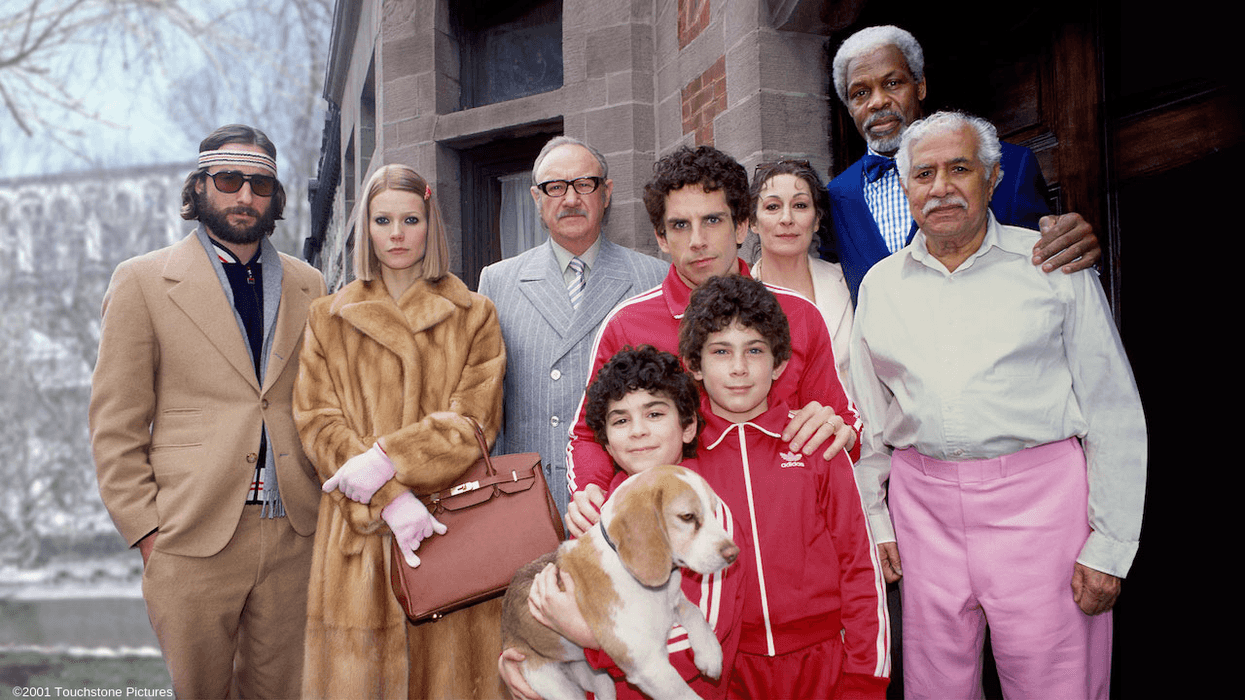
The Royal Tenenbaums
Matthew Kalil is an accomplished storyteller with expertise spanning writing, directing, script editing, authorship, and public speaking. He wrote The Three Wells of Screenwriting.
Having contributed to over 40 produced television episodes and with productions reaching international locations from Kenya to New Zealand, Kalil possesses insight into effective and ineffective practices within the entertainment industry.
Speaking with Film Courage, Kalil broke down one important exercise writers should try for character development. Check out their conversation below, then dive into the takeaways.
- YouTube www.youtube.com
The biggest necessary skill to highlight from this interview is character empathy, or the ability to inhabit your characters so completely that you understand their motivations from the inside out.
Kalil demonstrates this through his "becoming the character" exercise, where writers physically sit in different chairs to embody their characters and then observe them as the writer.
All you need for the exercise is a bit of time and two chairs.
Here’s how you do it:
- Sit and relax. Close your eyes, breathe, and think about your character.
- See your character. Look at the empty chair and imagine your character sitting there. Notice how they sit, what they're wearing, and their body language.
- Become your character. Move to that chair and sit exactly like they do. Feel what it's like to be in their body.
- Ask key questions as the character: What do I want? What am I thinking about?
- Look back at yourself. Still as the character, look at the first chair. Picture yourself (the writer) there. What does your character think of you?
- Return and shake it off. Go back to the first chair. Physically shake your body to release the character.
- Write notes immediately. Jot down anything you discovered about the character.
That's it. The whole thing takes 10-15 minutes and often reveals character details you didn't consciously know you'd created.
This skill solves a problem that plagues weak scripts—characters who do things because the plot demands it, not because they would actually do those things.
As the interviewer notes, she's often had to help rewrite scenes on set because "the path of least resistance" for lazy writing creates moments that don't ring true.
When you understand your character's inner life, you stop writing lines like "I love you" and start writing subtext-rich dialogue like "I missed you in gym the other day." You stop making characters walk generically across rooms and start having them stride or creep or hesitate, because you know what emotional state they're carrying into that moment.
Even antagonists need this treatment. This could help you understand the reasons behind their harmful behavior rather than writing them as one-dimensional obstacles.
Spend time sitting with your characters, feeling what they feel, seeing the world through their eyes, until they become real enough to surprise you with their choices.
- Good Eats: What Food Choice Says About Movie Characters | No ... ›
- How to Develop Characters with Action | No Film School ›
- How to Write Character Development | No Film School ›
- Michael Corleone's Arc in 'The Godfather' Films Proves He's the Best ... ›
- 5 Reasons Readers Don't Care About Your Characters | No Film School ›
- How to Build Better Characters: Start With Their Biggest Lie | No Film School ›