How to Build Better Characters: Start With Their Biggest Lie
Understanding the misbelief and wound that drive compelling character arcs.

Finding Nemo
There are a dozen ways to approach character creation. This should obviously be more than just how a character looks and speaks, although that's important, too.
As a writer, you should dive deeper. What drives your character? How is your character's journey thematically tied to the story you're telling? What emotions underpin all their actions?
In his video series on character development, screenwriter James A. Hurst explores two layers in his framework for building character: "misbelief" and "the wound." (The other layers are "the goal," "the gift," and "the flaw," if you'd like to check those out.)
The misbelief is a lie that your character believes about themselves, other people, or the world.
The wound is the origin behind that misbelief. What led to their worldview?
Watch Hurst's video below, then dive into the details with us.
- YouTube www.youtube.com
The Misbelief
Sometimes you can frame this as a story question. What is the thing that your protagonist believes that consistently challenges them throughout a story?
A misbelief should be something that feels true to them, even though it's leading them down the wrong path. It's the internal logic they follow, even when it hurts them.
Writer Craig Mazin poses this same idea slightly differently, but as an idea of theme. In his view, the theme of a screenplay should be something you can argue about (much like a misbelief).
Finding Nemo is the example I always think of because of Mazin's insight. Mazin says that the true thematic question that the movie argues is how, no matter how much you love someone, you might have to let them go.
But the main character, Marlin, desperately wants to do the opposite. He's protective and stifling of his only child. He doesn't want to let go at all.
Your inciting incident should challenge the character's misbelief, specifically. Marlin thinks he can keep Nemo safe by worrying over him constantly—but he still gets taken. That's a contradiction of his misbelief.
- YouTube www.youtube.com
The Wound
Every destructive belief has an origin story. That's the "wound."
Finding Nemo begins with Marlin and Coral in their new home on the edge of the reef, discussing the future and naming their eggs. Then a barracuda attacks. Marlin is unable to protect Coral and the eggs. He's left with one surviving child, Nemo.
This kind of trauma is easy to understand. It's the wound that causes Marlin to be too cautious and overprotective.
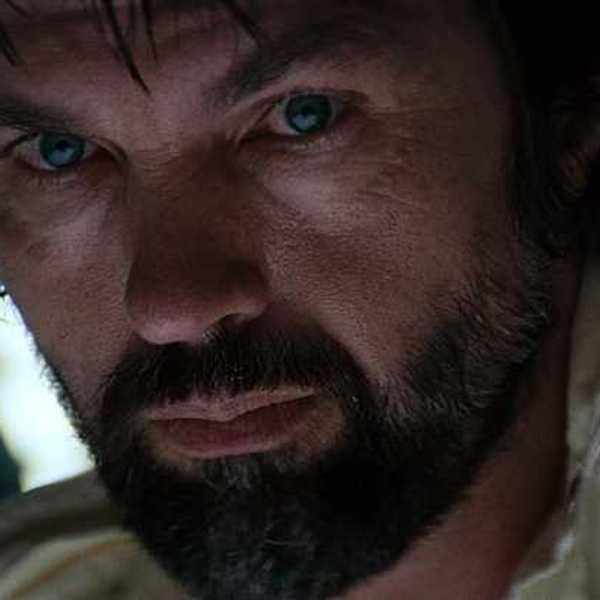
Hurst points out that in Get Out, Chris' misbelief that he can't trust himself to act when it matters came from a specific night. (It was the night his mother died, and he didn't do anything to help.)
The character's wound doesn't have to be melodramatic. It's just a painful past event that impacts who your character is.
In psychological terms, it's called the "negative core belief," which is conceptually almost identical to the idea of a character wound. As the Centre for Clinical Interventions defines it, "Your negative core beliefs reflect the negative, broad, and generalized judgements you have made about yourself, based on some negative experiences you might have had during your earlier years (eg, 'I am a failure,' or 'I am no good')."
Three Questions to Build Better Characters
Hurst says you should ask yourself these things as you're developing characters.
- Can I draw a straight line from wound to misbelief? If the wound doesn't logically bear that lie, it's just melodrama.
- Does their misbelief manifest as a flaw? If the misbelief isn't causing your character problems, steering them in the wrong direction, creating obstacles they have to overcome, then it isn't strong enough.
- Does your story corner them with the truth? A great story forces the character to confront the lie they live by and make a choice.
As screenwriter Lizzie Finn writes, "Characters must learn to overcome their fucked-up pasts (otherwise known as their childhood wounds, misbeliefs, and fatal flaws) so they can defeat their dark demons (inner and outer) and achieve their happy endings."
For more on character development, check out our comprehensive guide to character arcs and our character development worksheet.
The Writers Helping Writers' Emotional Wound Thesaurus offers extensive resources for exploring different types of wounds and the misbeliefs they can create.
- Can Character Development Get in the Way of Good Movies? | No ... ›
- Try This Exercise for Developing Stronger Characters ›
- How Does Disney's 'Soul' Create a Character with Both Wants and ... ›
- How to Develop Characters with Action | No Film School ›
- The Five Things That Get an Audience to Care About Character ›