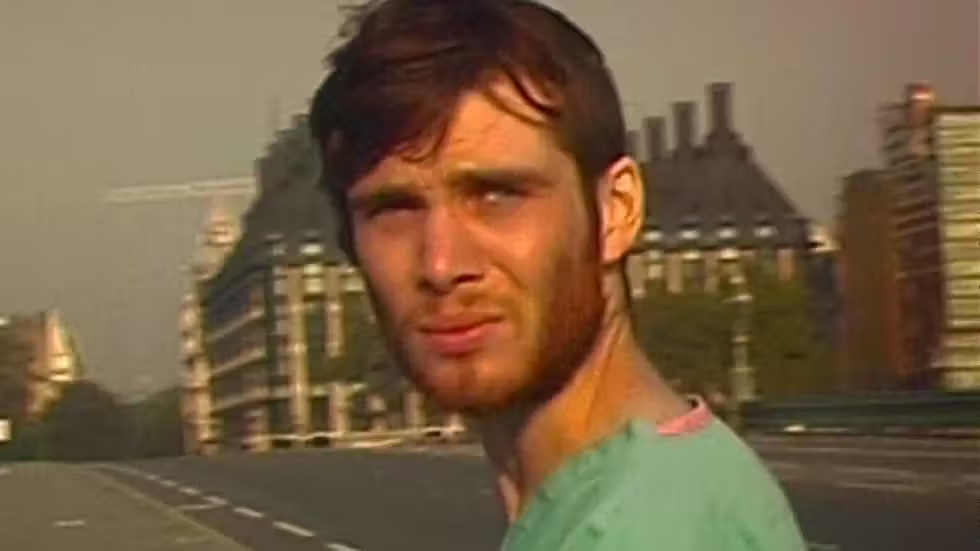
2002’s 28 Days Later, which was directed by Danny Boyle from a screenplay by Alex Garland, is a post-apocalyptic classic about the desperate survivors of a rage virus that has swept through the British Isles, turning humans into hyper-adrenalized, violent monsters.
The movie simultaneously revitalized the zombie genre and reinvented it, but it doesn’t exist in a vacuum. In addition to drawing inspiration from George A. Romero’s Dead movies and current events, including terrorism and mad cow disease, 28 Days Later pays homage to 1963’s The Day of the Triffids, without which it certainly wouldn’t exist in its current form.
What Is Day of the Triffids?
At first glance, The Day of the Triffids seems like an unusual movie to have inspired a seminal zombie classic (while debate rages about whether the Infected in 28 Days Later are “true” zombies as they are not literally undead, we will be using the terms interchangeably, as their function in the story is the same as in any classic zombie movie). The Day of the Triffids is a classic 1963 British sci-fi movie adapted from the 1951 novel of the same name by John Wyndham (who is also known for having penned The Midwich Cuckoos, which was adapted into the 1960 classic Village of the Damned).
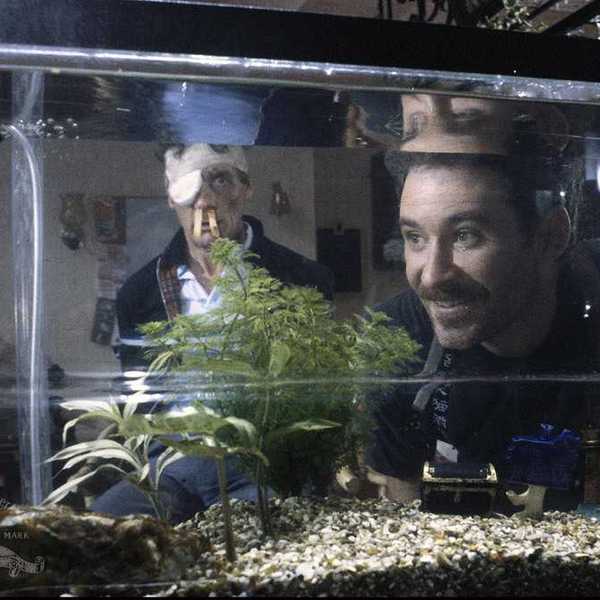
The book and the movie both follow a meteor shower causing the majority of the population of the Earth to go blind, leaving them vulnerable to attack from sentient, moving, carnivorous plants called Triffids that shoot poison from their mouthlike openings. The movie is so classic, in fact, that it inspired a line in Richard O’Brien’s “Science Fiction, Double Feature,” the song that opens The Rocky Horror Picture Show. The tune is jam-packed with references to the classic horror and sci-fi movies to which the movie and the original West End musical are homages, including the line “and I really got hot when I saw Janette Scott fight a Triffid that spits poison and kills.”
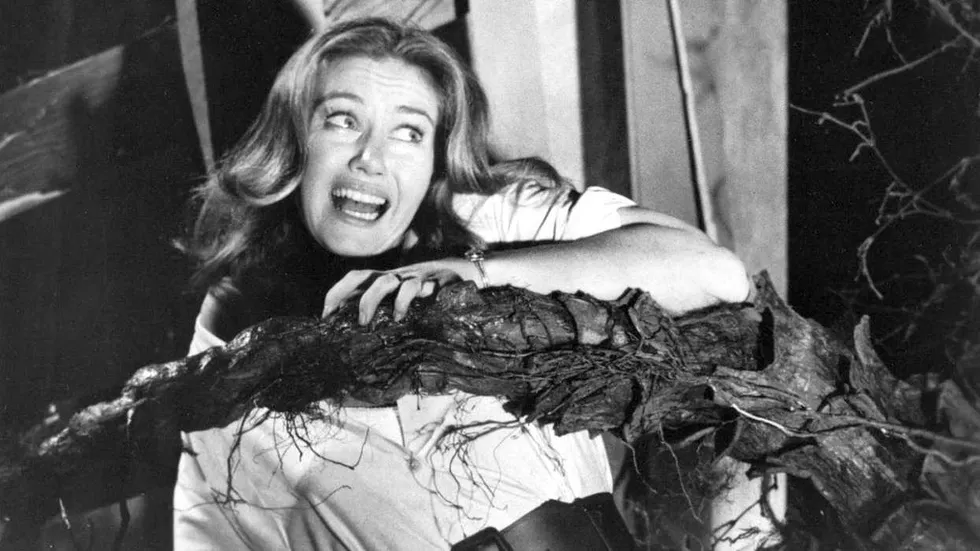 ‘The Day of the Triffids’ (1963)Credit: Rank Organisation and Allied Artists
In addition to meriting a “Science Fiction, Double Feature” mention alongside titles including The Invisible Man, King Kong, and The Day the Earth Stood Still, The Day of the Triffids is a confirmed inspiration for 28 Days Later. This was revealed by Danny Boyle when he was speaking to The Guardian while promoting the movie’s first sequel, 2007’s 28 Weeks Later.
He specifically cited the movie’s early scene where hero Bill Masen (Howard Keel) wakes up after an eye surgery and finds both the hospital and the country in disarray, having missed the beginning of the end of the world while under sedation. This is directly referenced in the opening scene of 28 Days Later, which follows bicycle courier Jim (Cillian Murphy) waking up from a coma and wandering through an empty London.
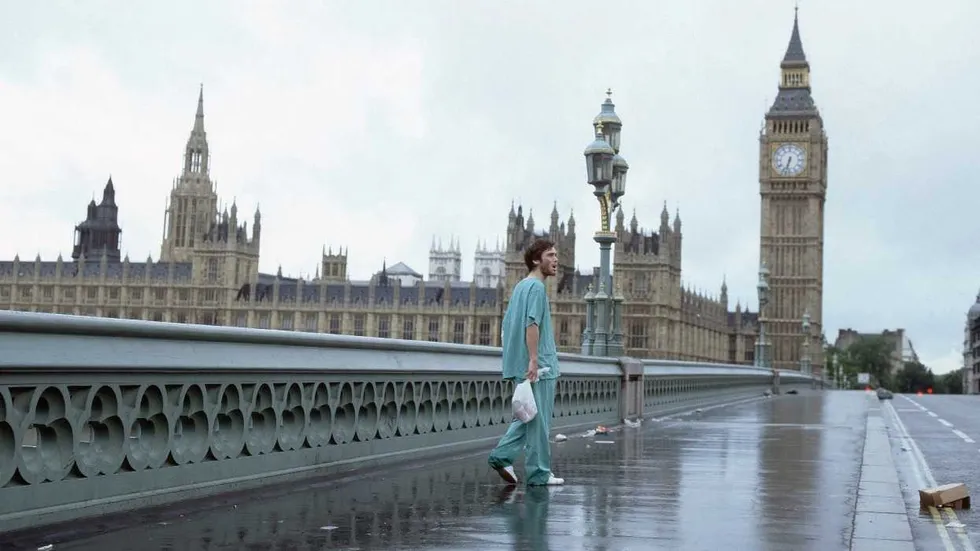 ‘28 Days Later’ (2002)Credit: Fox Searchlight Pictures
The Day of the Triffids Inspirations Go Much Deeper
While the initial setup of the story is the specific inspiration that was mentioned by Boyle, there are many echoes of Day of the Triffids in Alex Garland’s screenplay for 28 Days Later. This includes the fact that it directly ties into a longstanding British tradition of apocalyptic fiction, which includes War of the Worlds, The Day the Earth Caught Fire, and even the notorious cult classic Zardoz, going on to include later titles like Edgar Wright’s The World’s End.
However, another direct inspiration that 28 Days Later clearly draws from The Day of the Triffids is the idea of disparate survivors forging a found family amid the widespread devastation. In the movie, Bill meets other sighted survivors with whom he eventually forges a deep bond, namely a woman named Christine Durant (Nicole Maurey), who has been helping out a group of blind survivors at a French château, and the young schoolgirl Susan (Janina Faye), who becomes their surrogate daughter.
The way their familial relationship develops almost exactly mirrors the way that Jim forms a bond with fellow survivor Selena (Naomie Harris) and the newly orphaned Hannah (Megan Burns) in 28 Days Later.
Additionally, the 2002 movie’s subtext about the military industrial complex draws direct inspiration from the original Day of the Triffids novel. While the somewhat old-fashioned book is less thoroughly critical of this approach, it does ultimately find severe flaws with the mission of Beadley, a man who attempts to form a polygamist cult of survivors who enslave the blind to perform menial tasks while they attempt to repopulate the Earth.
28 Days Later takes a similar, though more aggressive, approach when it comes to its presentation of the military compound where Jim, Selena, and Hannah find themselves taking shelter. The group of surviving soldiers is led by Major Henry West (Christopher Eccleston), whose attempts to cling to the rigid social structures of a dying world by creating an exaggeratedly patriarchal society go horribly wrong. Because this involves a planned sexual assault of Selena and Hannah and an attempted assassination of Jim, it exposes the fact that the pre-apocalypse society already had a dirty and violent underbelly that has been exposed by the rage virus rather than corrupted by it.
- '28 Years Later' Ending Explained: The Birth of a New World ›
- Two Reasons Why '28 Days Later' Could Never Be Made Today ›
- Get a Glimpse into the Post-Apocalyptic World of '28 Years Later' ›
- Danny Boyle Expands On His Goals For the '28 Days' Franchise ›
- How Each of the ‘28 Days Later’ Films Analyzes Zombies and People Differently ›
- How '28 Days Later' Changed Zombie Movies Forever ›