What if your phone didn't just distract you? What if it posed a supernatural danger to you?
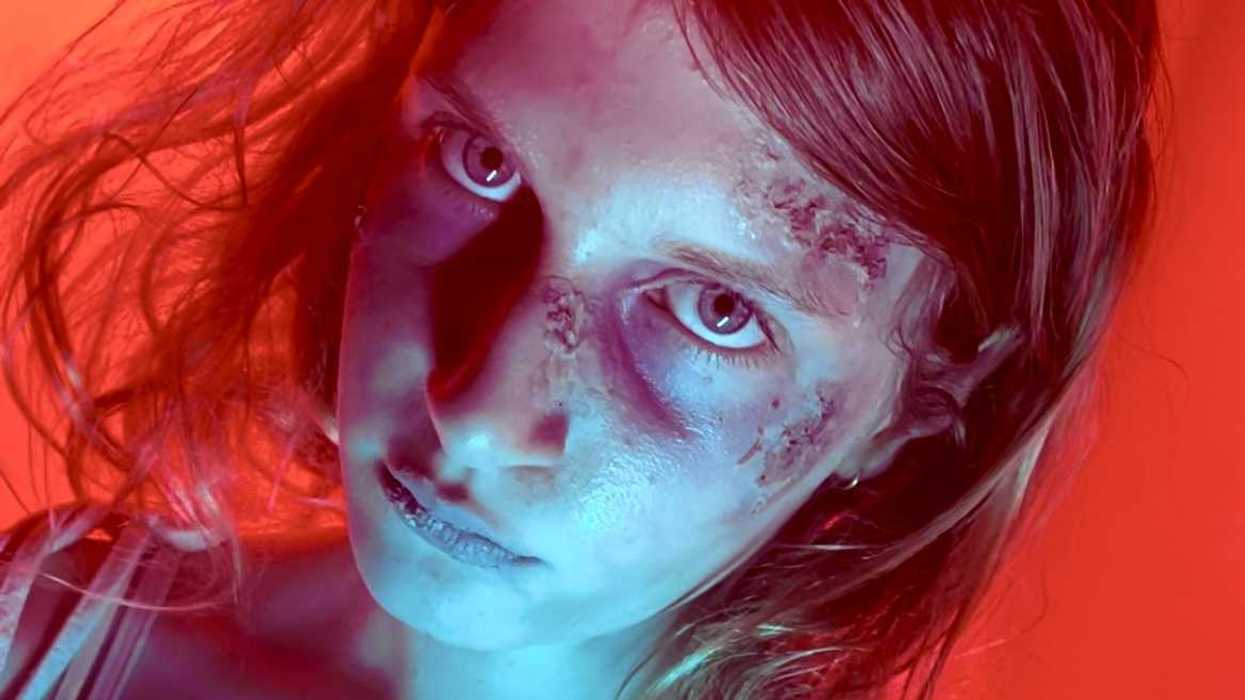
The short Don't Ignore Me, a horror project, explores a haunting through social media.
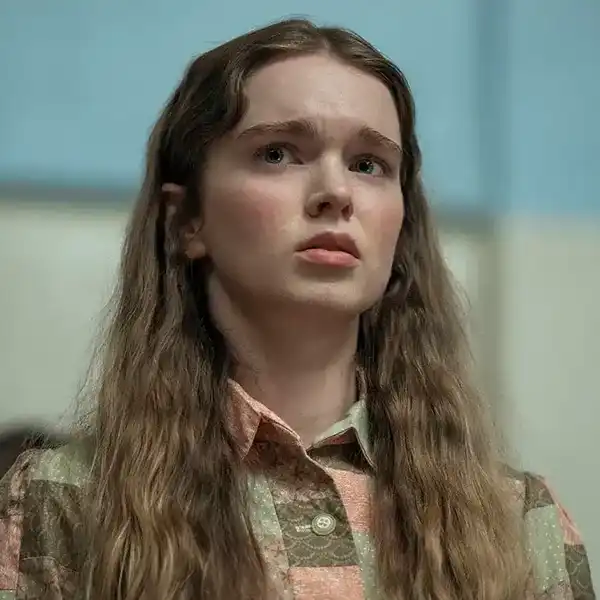
The film follows Sofia, whose innocent scrolling takes a sinister turn when an app begins sending her ominous messages.
Director Charli Fletcher made it when she was just 14 years old, shooting entirely on an iPhone.
Fletcher's film swept the 2024 International SmartFone Flick Fest, taking home five awards, including Best Film, Best Screenplay, and Best Editing. She went on to win Best Short Film at the Inner West Film Fest.
Fletcher and her producer, Raymond Mendez, checked in with No Film School to share their secrets behind the film and offer lessons for other filmmakers looking to shoot something on a low budget, no matter the age.
Why Horror? Why Social Media?
Fletcher didn't stumble into the horror genre. She's been making scary content since childhood, creating short clips with her sister and friends.
"I've always loved J-horror because it allows you to explore real emotions in extreme ways," Fletcher said. "Fear makes people honest. It strips everything back to who they really are."
The decision to set a ghost story within social media came from observing how phones have become a metaphysical space where many people spend most of their days. It can be positive or negative. Fletcher wanted to mine that duality.
"I wanted to explore how our phones can feel both comforting and haunting," Fletcher said. "Most of us spend so much time online that we forget how much control it has over our emotions. I thought it would be interesting to flip that idea and ask, what if your phone didn't just distract you, but actually took over?"
Balancing Supernatural Scares with Emotional Reality
The biggest challenge Fletcher faced was in the tone.
She needed the audience to care about Sofia's loneliness before introducing anything supernatural.
"The biggest challenge was balancing the supernatural side of the story with the emotional reality," Fletcher said. "I didn't want the film to just rely on jumpscares or effects, I wanted the audience to care about the character's loneliness first."
Working with limited time and resources meant every shot had to serve the story.
Mendez saw this constraint as one of the production's strengths. From his perspective, independent filmmaking always requires problem-solving, but Fletcher's age brought fresh instincts unencumbered by industry formulas.
"Independent filmmaking always brings creative problem solving, and this was no exception," Mendez said. "We had limited resources, so every department had to think smart and move fast. Time was one of the biggest challenges, balancing a professional-level production within a youth-led environment."
The crew's diversity became an asset. The mostly female, multicultural team included neurodivergent artists, and each person brought cultural and personal perspectives that shaped the film's look and feel. They didn't have Hollywood resources, but they had passion, and according to Mendez, that shows on screen.
 Don't Ignore Me
What She Learned Directing Actors
For a first-time director barely in high school, working with actors could have been intimidating. Fletcher approached it by prioritizing relationships and communication over control.
"I wanted the performances to feel natural, like the characters could exist outside the screen," Fletcher said. "Before filming, I spent a lot of time with the actors talking about who their characters were and what they were feeling in each moment. We built trust early, which made it easier for them to be vulnerable."
The production also shot a pre-viz animatic beforehand to visualize how shots would edit together and what the final product would look like. This planning tool helped everyone understand the film's rhythm, a smart strategy for a micro-budget production where reshoots aren't an option.
Fletcher learned one important skill on the shoot, she said.
"I learned that listening is one of the most important parts of directing," Fletcher said. "My cast and crew came from diverse backgrounds, and their different perspectives helped shape the story in ways I couldn't have imagined alone. It taught me that good directing isn't about control, it's about connection."
The Short's iPhone Production
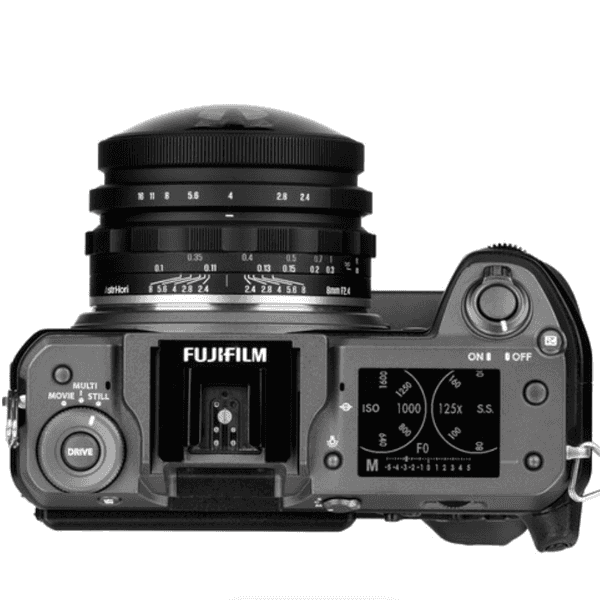
Don't Ignore Me was shot entirely on an iPhone 14 Pro Max using the BlackMagic Camera App—ironically, the same phone Fletcher received as her First Nations Award winner at the previous year's SmartFone Flick Fest.
The film was edited and color graded in DaVinci Resolve, Blackmagic's free post-production suite.
Fletcher and her AD focused on mood through framing and natural light. They experimented with handheld shots to capture the unease that comes from living through a screen, making the audience feel the protagonist's digital vertigo.
"The image quality gave us a cinematic look while keeping the setup small and flexible, which was perfect for a short film," Fletcher said. "I wanted the visuals to feel sharp but intimate, so the lighting choices focused on mood rather than spectacle."
Even with minimal budget, the team aimed for polish through smart decisions about composition and lighting rather than expensive gear.
 Don't Ignore Me
What Young Perspective Brings to Horror
Mendez, who has produced multiple projects, sees Fletcher's youth as an advantage. She doesn't imitate what's been done before.
"Charli brings truth," Mendez said. "She's unfiltered in the best way; she doesn't imitate what's been done before, she builds from instinct. That's powerful in horror because the genre depends on emotional honesty."
Fletcher's age gives her a unique understanding of how technology shapes identity and connection, adding depth to a story about digital addiction.
"At 16, she's grown up with social media constantly in her daily life, so her take on digital addiction feels lived in, not theoretical," Mendez said. "The film uses horror to explore loneliness and obsession in a way that feels current but emotional. It's rare to see that kind of honesty in a genre piece, especially from a voice so young."
Advice for Aspiring Producers and Filmmakers
Mendez's advice for producers wanting to champion emerging voices is to protect their vision and not try to "fix" it too much.
"Be patient, but also be bold," Mendez said. "Young filmmakers often have something to say that's uncomfortable or unconventional, and that's where the best stories live. Your job as a producer isn't to polish their voice, it's to protect it."
Genre filmmaking provides an ideal playground for young voices because it lets them explore big ideas through heightened emotion. Mendez also said building crews that reflect the world around you is important.
"Watching a young Indigenous filmmaker lead a multicultural, mostly female team with such clarity and drive was inspiring," Mendez said. "It proved that talent doesn’t depend on age or resources; it depends on vision and collaboration."
Fletcher agreed.
"I'm really proud of the team behind this film," Fletcher said. "We had a multicultural crew that was mostly female and included Indigenous and neurodivergent artists who each brought something special to the project."
Fletcher hopes her film inspires other young filmmakers to tell their stories regardless of resources.
"I hope it inspires other young filmmakers to tell their stories too, even if they have limited resources," Fletcher said. "All you need is a strong idea, a supportive team, and the courage to make something honest."
This article was brought to you by Blackmagic Design. For more horror filmmaking interviews and insights, check out the rest of our Horror Week 2025 coverage here!