When BEEF first exploded onto our screens, it redefined the half-hour dramedy with its volatile, anxiety-inducing pacing and deep characters.
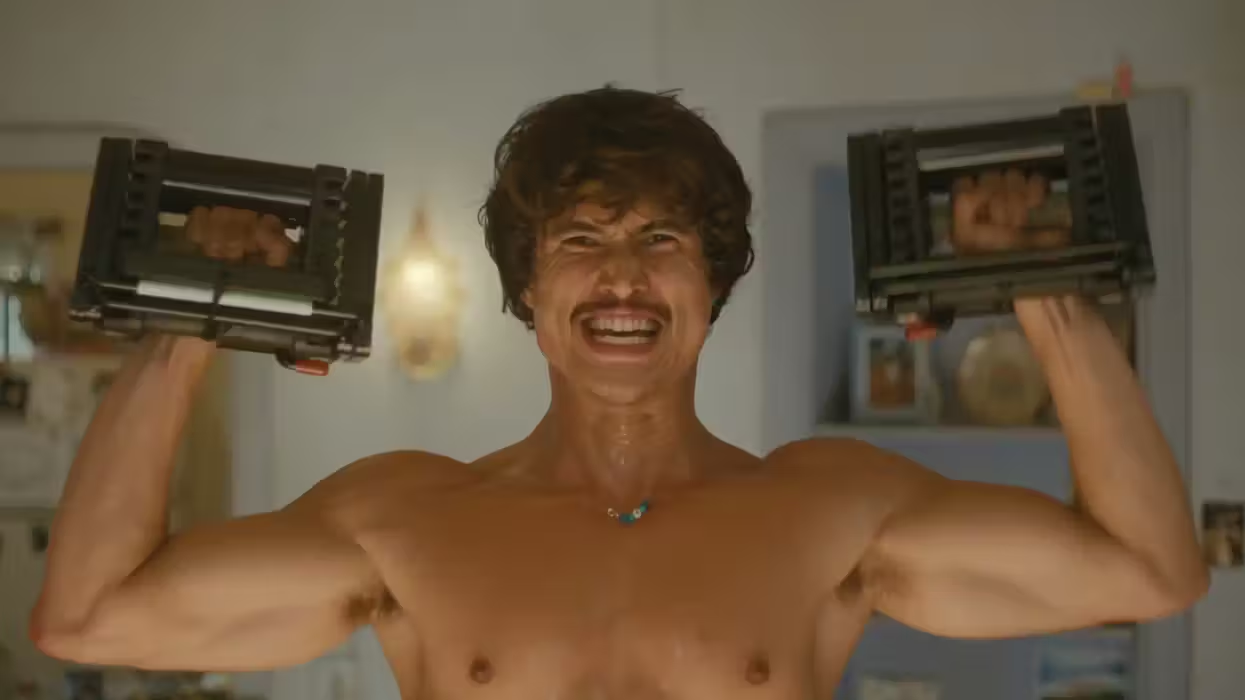
For Season 2, showrunner Lee Sung Jin pivoted from a fast boil to a slow burn of drama. We get a crazy, passive-aggressive ensemble web starring Oscar Isaac, Carey Mulligan, Cailee Spaeny, and Charles Melton, all sort of melting own beforeo ur very eyes.
All this comes together thanks to editor Lauren Connelly, ACE.
From her early days mastering VHS tape-to-tape decks in Northern Virginia to cutting acclaimed ensemble series like Gaslit and Mo, Connelly’s career has been defined by a refusal to be pigeonholed.
We sat down with Lauren to discuss the collaborative alchemy of the BEEF editing bay, the secret "rubric" used to track character perspective, and what happens when you have to edit your real-life Olympic heroes.
Let's dive in.
- YouTubewww.youtube.com
NFS: Can you begin by telling us a bit more about your editing journey leading up to BEEF S2?
Lauren Connelly: I grew up in Northern Virginia and went to a high school for science and technology. It was there where I learned to edit on huge VHS tape to tape decks and fell completely in love with the craft of editing itself. I can still remember the exact edit I made when I decided that this is what I was going to do with my life.
After film school at USC, I was very lucky to have followed a traditional path: personal assistant, post-PA, apprentice, second and first before becoming an editor. What I learned in all those positions was invaluable for when I got my bump to the chair.
My first union editor job was for these incredible short-form female-focused stories that YouTube was doing with Fox called WIGS. I’m grateful that I had always been cutting on the side while assisting, because I actually had to live audition for the gig! The director, Jon Avnet, gave me a scene to cut and told me to come get him when it was done. Totally not stressful at all!
One of my mentors, editor Peter Teschner, gave me the great advice to never pigeonhole myself, and I really took that to heart. Having experience working across many genres in both film and television was really valuable when editing on such a tonally unique show like BEEF.
NFS: How much did you and your fellow editors draw inspiration from the show's first season?
LC: Since BEEF is a true anthology, editing season two felt more like working on a season one show. Our showrunner, Lee Sung Jin, really wanted this season to feel like a completely different type of beef, more of a slow burn, more passive-aggressive.
It was wonderful to get to work alongside Laura Zempel, ACE. Most of the season was shot cross-boarded, so it was really important for us to deliver a cohesive first pass. We developed an incredibly collaborative working relationship, popping into each other’s bays to screen our scenes and talk about character and story all throughout production and post.
To me, the BEEF approach to storytelling and editing is where the consistency between the two seasons exists. A lot of early conversations that we had with Sonny were about an emphasis on scene structure. In a lot of ways, this priority really meshes with my personal approach to an editor’s cut: it’s like building a house; you have to have a strong foundation. Having a really strong foundation allows us to deep dive into the editorial process; we leave no stone left unturned, and that emphasis on detail is where the BEEF tone really comes alive.
NFS: This season tracks two different central relationships. How did you tease out the similarities and differences between each couple via the edit?
LC: One of the reasons I was so excited to work on BEEF is that I love to laugh in the darkest of moments, and Sonny has such a singular sense of humor and tone. He has an incredible way of writing these complicated, flawed characters who remain incredibly empathetic. One thing that is really different in season two is that we have such a large ensemble, rather than just two main characters. Each of the couples actually represents a season, and these couples are all going through a different phase in this relationship cycle. Not only do we have to explore each character and their motivations, we also have to dive into the couple vs couple dynamics.
Because this season is so dense, every single choice in the edit is incredibly deliberate. One way we make these choices is by talking a lot about the perspective character in each scene. By knowing whose perspective we are focusing on, we are able to more easily balance the drama, comedy, tension, and pace. There is a ‘BEEF rubric’ that we often use, which is that the perspective character is often in tighter clean coverage than the other characters. A lot of the key moments in BEEF happen in the silences and reactions to the lines. A lot of what we are trying to say about the couples actually lives there.
NFS: How did your approach to the show's pacing and tone evolve over the course of the season, especially when cutting episodes set in entirely new locations like 207 on the airplane?
LC: We really focused on detailed character development in the early part of the season, and this really allowed us to focus more on plot in the final two episodes. This specifically came into play in 207, the airplane episode, because we really needed to tonally ease into the action-packed finale from the emotionally driven moments that happened in 206.
Originally in the script for 207, there were more scenes that focused on Josh’s entry back into the dating scene, but because his performance is so incredible, we were able to tell this part of the story with less. This allowed us to omit some of these scenes and draw more focus to the building tension in the airplane.
One specific moment of tonal shifting happened in the scene where Josh brings his date home. That scene originally ended with them kissing and tumbling off frame. Instead, in the edit, we ended up creating a camera move to switch focus to the backyard, where we added JB running across the frame. That changed this scene from ending on a romantic moment to a foreboding one.
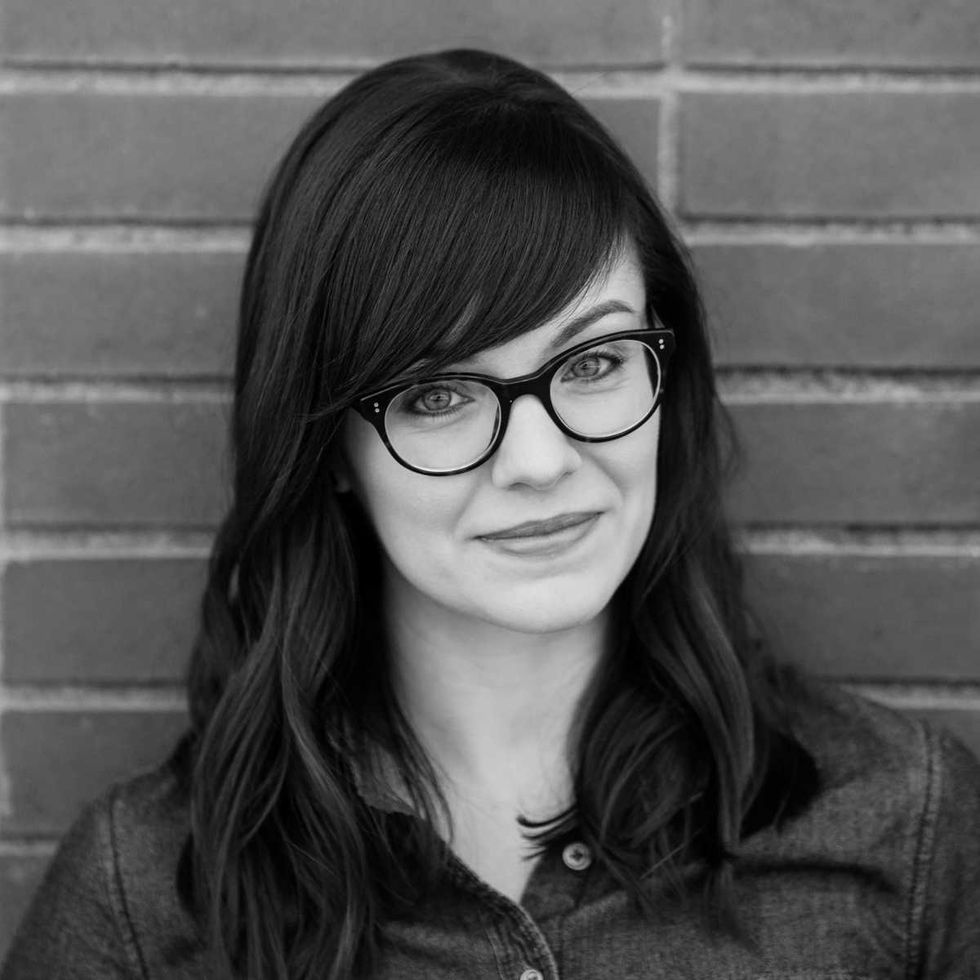 Editor Lauren Connelly, ACECredit: Impact24
NFS: All four leading performances in the show are so impressive. What is it like to evaluate such performances from the editing booth?
LC: Wow, it really was an embarrassment of riches! I can’t say enough about what a dream it was to edit Oscar Isaac, Carey Mulligan, Cailee Spaeny, and Charles Melton. Their performances are all absolutely spectacular – honestly, I think the hardest part was trying not to leave gold on the cutting room floor with such a dense storyline. They all gave such incredible and varied options that it allowed us to really play and shape each scene and moment down to every last word and expression. The entire cast was beyond amazing.
NFS: How did editing on shows such as Masters of Sex, Gaslit, and Mo prepare you to cut episodes of BEEF S2?
LC: I’ve cut a wide range of genres throughout my career, and my approach is always consistent. It’s about character, emotion, and being true to the story we are telling. I always let the footage speak to me, and I find that being in touch with your emotions is an editor’s superpower. I go off my gut and instincts, which made me laugh out loud or cry while watching dailies. The best shows and films out there make us feel something and connect us with each other, and all of these great, ensemble-driven shows do just that. Having experience with large ensembles was very valuable, specifically to BEEF S2. Knowing when to intercut character stories or restructure to keep certain scenes together was a valuable skill set to have.
NFS: Your episodes this season also feature several celebrity guests, including Benny Blanco, Michael Phelps, and Suni Lee. From an editing standpoint, how do you incorporate these cameos while still maintaining a sense of authenticity and immersion?
LC: Hahahaha, my whole post team is going to get such a kick out of this question! I am a huge Michael Phelps fan, so I was really excited to have him in one of my episodes! Total fangirl moment for sure. I think that having the country club setting made keeping that sense of authenticity much easier; it made perfect sense for them all to be there, playing themselves. It also helped that all of them were naturally hilarious! It was a lot of fun to edit those episodes.
NFS: Is there anything else you would like to add about your work on BEEF S2?
LC: I would really like to thank our entire post team! We had such incredibly talented people working on the show, and we couldn’t have done it without that amazing support system. I’d like to give an extra special shout-out to my Assistant Editor, Josh Stein – Thank you!!!