Editor Jon Fine Gets Inside an Artist’s Head for 'The Revisionist'
Alex Vlack’s debut narrative feature, 'The Revisionist,' opens with a simple premise: a novelist, faced with writer’s block, turns to the world around her for inspiration.
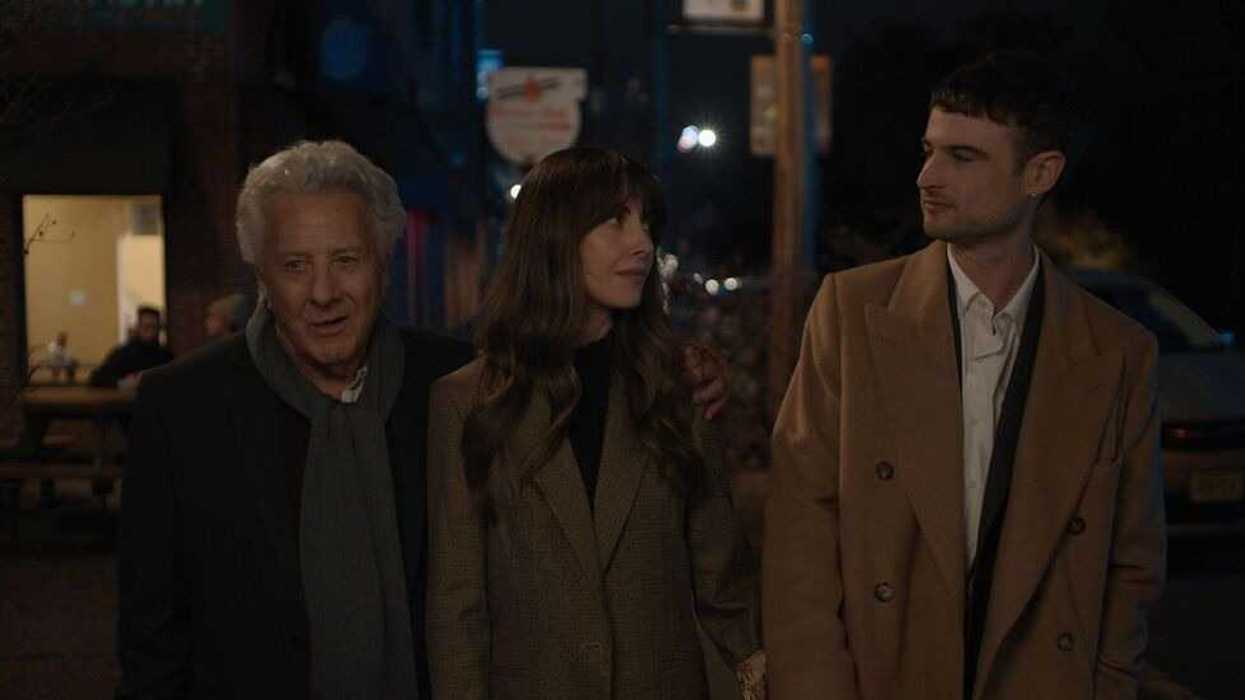
'The Revisionist'
In the case of Elise (Alison Brie) this means inviting an old friend (Andre Holland) to care for her father-in-law (Dustin Hoffman) while she records their conversations. It’s the perfect setup—until it isn’t.
For a project requiring a gradual, strategic unearthing of truths—one that deliberately blurs the line between fiction and reality—Vlack turned to longtime collaborator and editor Jon Fine and Adobe Premiere. Both based in upstate New York, the two were able to work together in person while the rest of the post team was elsewhere, relying on Productions in Premiere for seamless remote collaboration and Frame.io for cuts and dailies review. Though their rough cut initially stayed faithful to Vlack’s script, the final film fully emerged as they started experimenting with the structure and the pacing. Speech to Text allowed Fine to move through the dailies with ease to search and log dialogue, providing the flexibility necessary to work off-script.
We sat down with Fine to hear more about his collaboration with Vlack and the making of The Revisionist. Read more of our discussion below.
What conversations did you have with Vlack to align on the creative vision for this project? What did collaboration look like throughout production and post?
Jon Fine: Alex and I have collaborated over the years in many iterations. We’d made the music documentary, "Still Bill,” together and have a long friendship and natural creative flow. A lot of the early conversations were about how the film blurs reality and fiction and how best to represent the interior world of a writer.
How do you begin a project/set up your workspace? Did you do anything differently when setting up your workflow for The Revisionist?
JF: I live on a flower farm in upstate NY, and luckily, Alex lives nearby, so we were able to collaborate in person, which is ideal. However, the rest of our post team was spread out, so our Assistant Editor built a shared Productions project, and we used that as a way to work in tandem and communicate seamlessly throughout.
Tell us about a favorite scene or moment from this project, and why it stands out to you.
JF: Without giving up too much, we had a lot of fun developing these sorts of ‘interruptions’ when Elise Keller's (Allison Brie) creative mind is at work. We aimed to bring the viewer inside her head, and placing those moments strategically throughout the film brought out a lot of humor and playfulness. On top of that, Philip Klein’s incredible score really refined that intention.
What Adobe tools did you use on this project, and why did you choose them?
JF: We used Premiere and Frame.io to share cuts and dailies. We also used Speech to Text, which was helpful for searching and logging dialogue.
What were some specific post-production challenges you faced that were unique to the project? How did you tackle them?
JF: On The Revisionist, we’d started with a very faithful version of what was on the page, but after various revisions (no pun intended), where we began to alter some of the structure, the film emerged. We played a lot with refining the rhythm and pacing of how and when we reveal the evolving truth within the story.
What's your favorite Premiere shortcut or hack, and why?
JF: I like to do a lot of stacking takes and muting video layers. I have a custom keyboard layout with a “mute video” shortcut—making ProRes proxies is key to working quickly.
Who is your creative inspiration?
JF: I grew up in a family of artists. My mother, Joan Fine, is a sculptor. She was a stone carver in her younger years and continues making art in her 80’s despite battling a stroke and back surgeries. Growing up with her stone carving studio in our backyard left an indelible imprint. It’s also important to travel and meet people to get and stay inspired.