Yikes! A New FAA Draft Rule Could Potentially Ground DJI Drones in the United States
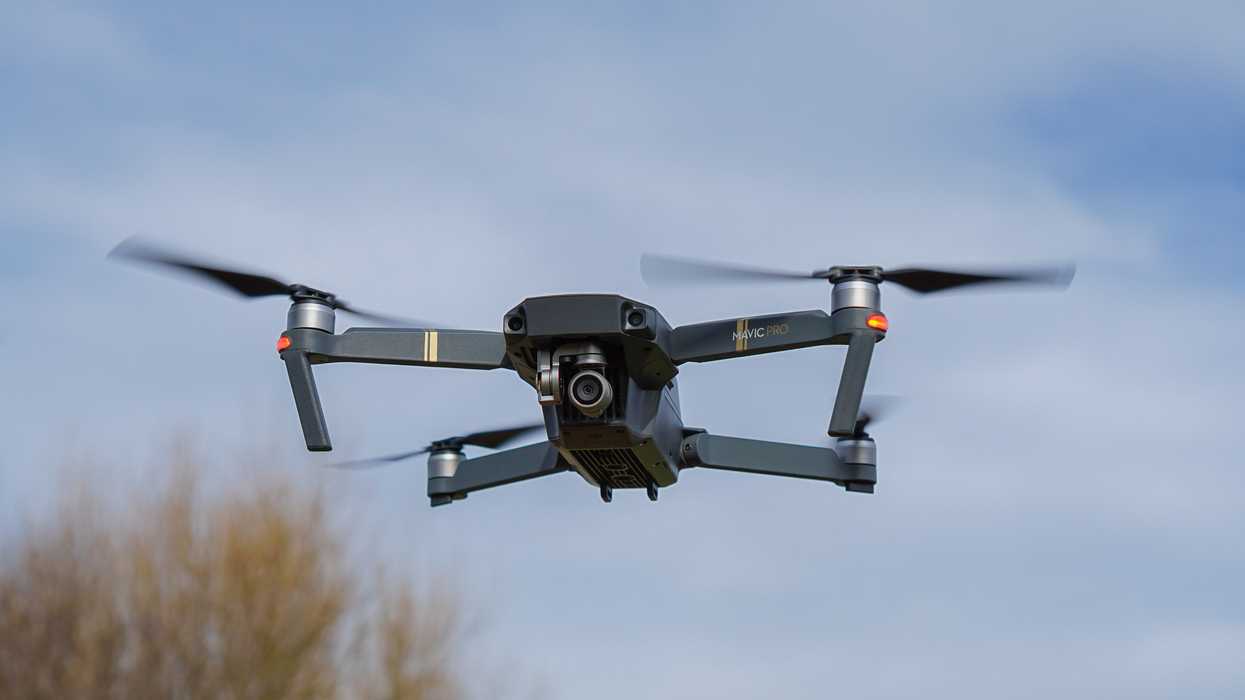
In another new hurdle for DJI drones in the US, a new FAA draft rule could have a devastating impact on current and future drone operability.
DJI’s Latest Legal Challenges
According to a post put out by DJI over the weekend, a new draft rule from the Federal Aviation Administration (FAA) called FAA Part 108 could potentially have a pretty devastating impact on the operability of DJI drones in the United States.
The Part 108 rules have to do with UAS BVOLOS (beyond visual line of sight) flights, which are quite common in most drones used for many types of aerial photography and cinematography. DJI is arguing that these new rules overstep their intentions, though, and could effectively ground pretty much the company’s entire fleet of drones in the US.
Here’s what we know so far.
DJI’s Latest Legal Challenges
In a statement put on DJI’s website, the company comments that while it “commends the FAA’s efforts to establish a framework for scalable UAS BVLOS operations, incorporating risk-based requirements and recognising different use cases,” this current draft of the rule has a couple of fundamental problems, which the company is putting out info to address.
The two issues, as DJI puts it, are as follows:
- First, it would not allow the vast bulk of drones in current use to be utilized under the rule (including DJI drones), as any non-U.S.-manufactured drones would be excluded.
- Second, the rule would not allow most current BVLOS operations to be undertaken, as the current rule is tailored to highly automated operations where there is no pilot in direct control of the drone.
In effect, if these rules come to pass, it sounds like DJI is worried that it may have to ground the majority of its drones in the US, including ones that are used for aerial cinematography and videography.
What Happens Next?
For now, though, DJI is putting the word out as the draft Part 108 rules (Docket FAA-2025-1908) are open for public comment until October 6, 2025.
This is an important opportunity for industry and operators (like DJI drone owners and operators) to share their perspectives, experiences, and ideas to help ensure the final rule is safe, accessible, practical, and reflective of real-world operational needs.
DJI is encouraging its drone owners, operators, and aerial photo and video professionals to help rectify this situation by making their voices heard, which they can do by submitting their comments here.
We’ll keep you updated on this latest threat to DJI’s ability to operate in the US and let you know if and when anything official comes down.
- DJI Drones Avoid Congress Ban, But Still Face Commerce Department Concerns ›
- FCC Listings Reveal DJI Neo 2 Drone May Be on the Way Soon ›
- Alex Garland Talks About Shooting ‘Civil War’ on the DJI Ronin 4D at SXSW ›
- DJI Raises Price of the Osmo Pocket 3 From $519 to $799 As Tariffs Start to Hit the US ›
- The DJI Mini 5 Pro Will Feature 4K/120p Video (But, Again, Won’t Fly in the US) ›
- Will Japanese ACSL Become DJI's New Drone Competitor? ›
- The DJI Neo 2 Brings 4K/100p Video to the Skies (But Not in the United States) ›