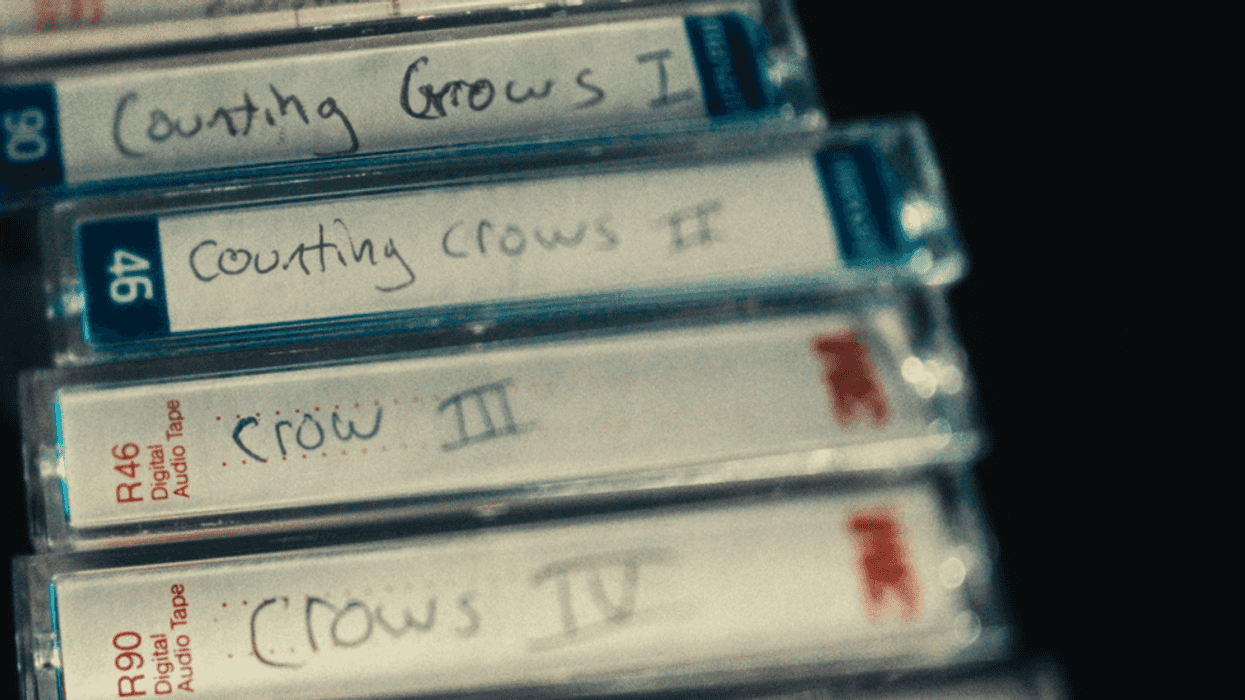
Directed by Amy Scott and edited by Matt Thiesen, this deeply personal documentary chronicles the tumultuous journey of Counting Crows lead singer, Adam Duritz, as the band rises from playing at coffeehouses to headlining arenas.
A veteran in editing music docs, Thiesen set out to paint a detailed, nuanced portrait of Duritz in the edit with extensive archival footage, live performances and interviews with the likes of Cyndi Lauper, Steve Kerr, Chris Martin and more. Thiesen used the versatility of Adobe Premiere Pro and Frame.io to weave in mixed media to the project, including footage shot on VHS-C with a broken camera to add even more authenticity to the overall '90s look and feel.
Thiesen shares more about his editing journey on the film below.
Tell me a little bit about this film and how you got involved in the project.
Matt Thiesen: Counting Crows: Have You Seen Me Lately? is a film that explores the immense pressure that comes with creating a follow-up to a runaway hit debut. In the pantheon of stories about artists grappling with sudden fame and retaining artistic integrity, this one is an all-timer. It’s the third music documentary I’ve edited for director Amy Scott and Shark Pig Studios (after 2022’s Sheryl and 2024’s Melissa Etheridge: I’m Not Broken), and I absolutely love working in this genre with our awesome team.
How and where did you first learn to edit?
MT: I began making movies at the age of 13 when I purchased my first video camera (a VHS Sharp SlimCam for $1,199.99), but truly fell in love with the art form when I learned deck-to-deck linear editing at my local community cable station. Editing opened a magical door for me where absolutely anything was possible – limited only by however many hours, days or weeks I was willing to spend in the edit suite.
My passion only deepened when relatively affordable non-linear editing systems (shout out to Media 100!) entered the scene. I literally shed a tear of joy the first time I performed a non-linear cross-dissolve with a simple click instead of the three S-VHS decks and a fader process I was used to.
How do you typically begin a project/set up your workspace?
MT: For music docs, setting up the project usually involves syncing various cameras for live performances and ingesting any and all available archival of the artist/band.
One of my favorite parts of this process is marinating my brain in the archival and truly getting to know the subject, as much as you can know someone through these little snippets of time and space. To be a proper steward of the subject’s life and story, I feel this “mind meld” step is absolutely crucial.
In terms of my physical location, my home workspace just became way more feline-friendly! I installed a floofy pink bed with a pressure-activated heating pad for my cat Stephanie, so now she can keep a close eye on my edits and offer constructive criticism. She is stern but fair.

Image Source: Matt Thiesen
Tell us about a favorite scene or moment from this project and why it stands out to you.
MT: The amount of videotape distortion we were able to get away with in this film makes me smile every time I think of it. We used footage shot on VHS-C (by the impossibly talented renaissance man Brian Morrow) to inject layers of delicious ‘90s flavor and texture into the DNA of the film.
The camera Brian used was broken, which resulted in a ludicrous amount of static lines and gorgeously garbled audio and visuals. But it was actually perfect for our purposes – most pointedly in an intricate hallucination scene that I’m super proud of.
What Adobe tools did you use as a part of your workflow, and why did you originally choose them?
MT: My normal workflow utilizes Premiere Pro and Frame.io extensively, and they go together like chocolate and peanut butter. I love the versatility and specificity of Frame.io, and our team has developed our own style of hilarious discourse through it. It always takes the edge off tackling hundreds of notes when you’re laughing through the pain!
On my current project, I’m using Productions for the first time, which has been an absolute game-changer across the board.
If you could share one tip about Premiere Pro, what would it be?
MT: I absolutely love customizing my keyboard and mouse shortcuts in Premiere, and I always recommend that editors explore far beyond the default confines and get weird with it.
Using a customizable mouse is also highly recommended. Currently, I use a Logitech MX Vertical, and have programmed different button mappings for various types of projects. The amount of nerdy satisfaction I derive from performing a “razor slice - delete - close gap - apply 3 frame audio crossfade” combo in the literal blink of an eye is…immense.
Who is your creative inspiration?
MT: My creative North Star has always been and forever shall be my fellow Minnesotan Prince. Beyond his obvious musical wizardry, his boundless love for filmmaking is deeply inspirational to me. Despite the fact that some of his cinematic endeavors were not considered successful by mainstream audiences, his unwavering passion and fascinating idiosyncrasies always shone through.
What advice do you have for aspiring filmmakers or content creators?
MT: My simple advice will always be: don’t be an asshole. Human relationships shall continue to be the bedrock of our industry (at least for the foreseeable future), and if people enjoy working with you, that’s truly half the battle. Add your heaps of sparkling talent on top of that, and you’re as set up for success as you can possibly be in this topsy-turvy business!