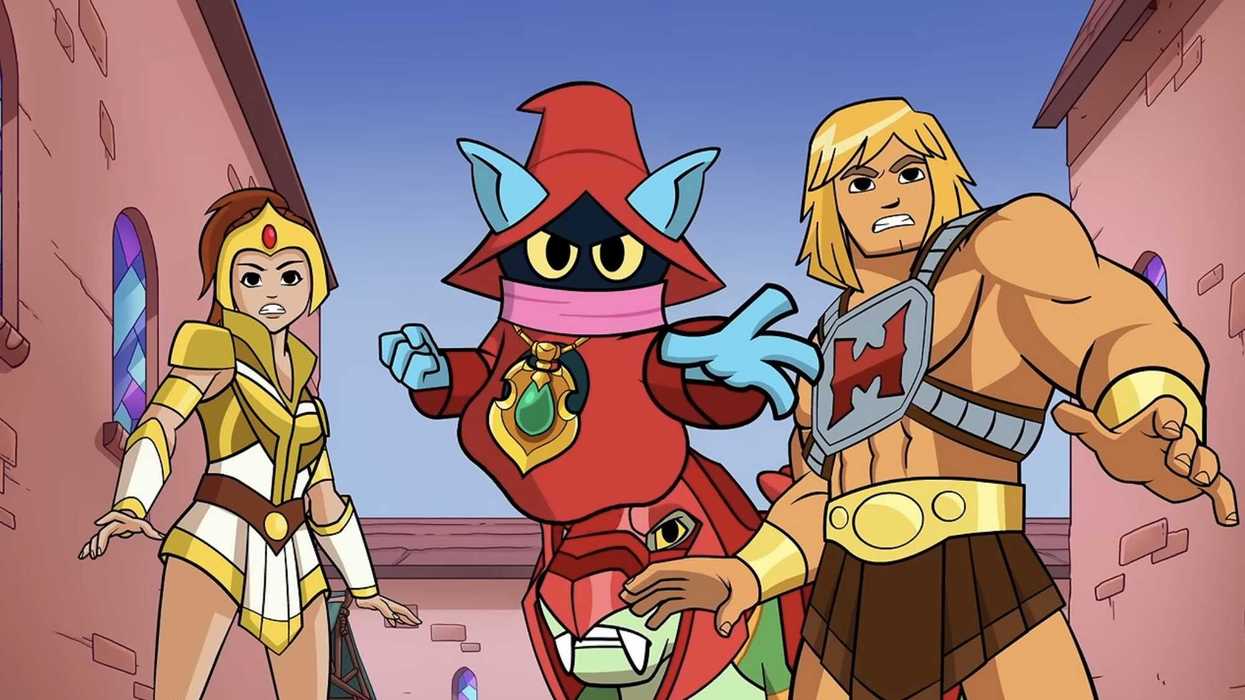
Scoring a franchise as iconic as Masters of the Universe comes with built-in expectations of grandeur and fantasy. There's a lot of pressure to expand the worldbuilding through the music and nail the tone.
For Masters of the Universe: Tales from Eternia, composer Erik Desiderio faced a unique creative puzzle: honoring the character's legacy while also capturing that Saturday morning cartoon feeling.
And he definitely hit the power of Grayskull with this one.
We sat down with Desiderio to talk about starting cues on a real guitar, turning on a dime musically, and why animation gives composers permission to go completely over the top.
Let's dive in.
- YouTubeyoutu.be
NFS: The original Masters of the Universe series has such a recognizable musical legacy. How did you approach creating something that feels connected to that world while still giving Tales from Eternia its own musical identity?
Erik Desiderio: I watched the first episode more than a dozen times before I wrote a single note. I’d sing melodies over it, pick up my guitar and play along, and just let the show tell me what it wanted to sound like. I’m a huge fan of the original series, so that legacy was always in the back of my mind. But rather than borrowing from it directly, I tried to capture the feeling it gave me and let this new show’s personality shape everything else.
NFS: The score is a combination of rock guitar and orchestra. What drew you to that combination, and how did you use those two musical worlds together?
ED: Rock guitar and orchestra are both epic on their own, and they complement each other beautifully. The orchestra brings scale and drama, and the guitar brings attitude and drive. Together they cover a huge emotional range, so I could lean on the orchestra for grandeur, let the guitar take over when the action kicked in, or bring them together at full force when a moment called for it.
NFS: The Flash Gordon soundtrack and the rock influence of bands like Queen were inspirations for the score. What specifically about that sound felt right for Tales from Eternia?
ED: So much of the show hearkens back to its ’80s roots. The animation is 2D rather than fully rendered 3D, which gives it a different feel from most animated shows today. It’s also the first Masters of the Universe series aimed at the same audience as the original, introducing Eternia to a whole new generation. When I played Queen’s music against the picture, that energetic positivity just clicked. It felt like it belonged in this world.
NFS: Guitar became a central element of the score. How did your experience as a guitar player shape the way you approached music?
ED: I play a handful of instruments, and guitar happened to be the perfect fit for this show. Because I play it, I could write parts that are actually playable and sound like a guitarist wrote them, not like a piano player triggering a synth guitar. A lot of the pieces started on guitar and were filled out later with virtual instruments. Beginning with a real instrument in my hands gave the score an organic sound that fit the style of the show.
NFS: How did the characters and action of Eternia influence the way you developed the score? Were there particular characters that presented especially fun musical opportunities?
ED: I wrote themes for almost every character, and when they returned in later episodes, I’d often bring those themes back in new instrumentation. Some characters got their own signature sounds: Evil-Lyn had harpsichord accompaniment, Beast Man had jungle percussion, and Orko had a magical-sounding synth. Those little musical calling cards were some of my favorite things to write.
 Composer Erik DesiderioCredit: Ashley Covington
NFS: The series consists of four-minute mini-adventures, which means there’s a lot of story and action packed into a short amount of time. How did that format affect your approach to pacing and composing?
ED: It had a massive influence. The music plays through almost the entire episode with very little silence. The mood can turn on a dime, and when it does, the music has to turn with it, sometimes abruptly. In context with the picture, those shifts feel natural because they’re following the story beat for beat. Heard on its own, the score can sound wildly unpredictable, but that’s the nature of telling a big adventure in the kind of short, fast-paced format today’s audiences grew up with.
NFS: What makes animation especially exciting to you as a composer?
ED: I love music that goes completely over the top in its energy and message, and animation gives you permission to go there. This show had plenty of opportunity for big, energetic music synced tightly to the action on screen. There’s nothing quite like the thrill of landing an action cue in perfect sync.
NFS: Early in your career, you produced the score for The Moon and the Son, which went on to win the Oscar for Best Animated Short. What did that experience teach you about writing music for animation?
ED: I learned to write music for media in the Screen Scoring Program at NYU, which Ron Sadoff founded and directs. After I finished the program, Ron hired me as his score producer. We had a lot of mutual respect, which made for an easy working relationship, and working so closely with him really opened my ears to his approach to scoring animation. The film’s director, John Canemaker, was the head of NYU’s Animation Department, and he and Ron were close friends, so it was a huge honor to be in the room with the two of them deciding how to record the instruments and mix the music. It taught me how much the details matter in animation, from the choice of instruments to how they’re recorded and mixed, and how much a score benefits when the composer and director truly trust each other.