The highly anticipated sequel to Toho Studios’ Godzilla Minus One is hitting theaters this November, and it’s got me reflecting a lot on how special Godzilla Minus One really felt when it first released. Especially considering the vast differences between that film, and the American MonsterVerse.
Let’s talk about the creative differences between that film, and the American franchise counterpart.
Keeping the Story and Characters Contained
While plot details for the sequel, titled Godzilla Minus Zero, are being kept slightly under wraps at this stage still, it’s been confirmed that the film is going to continue to follow the journey of the Shikishima family from the first film, two years after the events of the first.
This is in pretty direct contrast to the MonsterVerse films that, especially in the early stages, jumped around from character groups to character groups a lot in between movies. The 2014 Godzilla, Kong: Skull Island, and Godzilla: King of the Monsters all have almost entirely different casts despite taking place in the same extended universe. From King of the Monsters on, we finally started to get some consistency with our characters. However, the next announced instalment of the franchise, Godzilla vs. Kong: Supernova, also has an entirely new cast listed for the film, with Dan Stevens being the only apparently returning cast member at this time. Adam Wingard is returning to direct, but that’s about it.
Minus One and its sequel are bringing almost everybody back in their respective roles. Same cast, same writer, director, producers, VFX artists, everyone. There obviously isn’t a right or wrong way to do these things; it’s just interesting to see two different versions of the same kind of universe being made in such polar opposite environments.
No Other Monsters Have Been Announced Yet
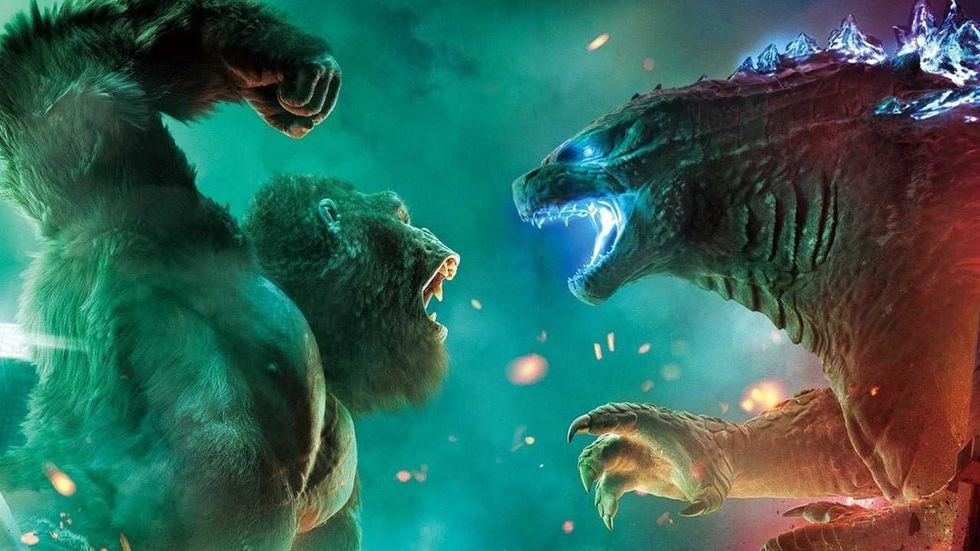 ‘Godzilla vs. Kong’Credit: Warner Bros. Pictures
It’s a bit early to tell whether or not the new Toho series will eventually try to introduce other monsters in the canon; however, at this stage, it appears that Godzilla is once again going to be flying solo in Minus Zero.
The American MonsterVerse has, insofar, taken a Marvel-style approach in giving key players like Godzilla and King Kong more solo introductory movies before putting them together, as well as introducing other side players like Mothra or Giddora.
Obviously, it would be absolutely incredible to see those characters going head to head in the new Toho universe; however, the far more intimate and intentional pace of this franchise is a welcome one. Where so many monster films nowadays start to slip up is when they start to focus more on the spectacle than they do on the characters. Godzilla Minus One, for the most part, has the best of both worlds in that regard. It takes a long time for Godzilla to show up in that film, as we spend quite a bit of time with our human protagonists first.
Additionally, amidst all of Godzilla’s destruction and the cool action set pieces, many viewers have cited that the ending to that film made them cry. This is mostly thanks to the moving human drama at the center of the story. Maybe there are more monsters in store for Minus Zero or other future projects, but the clear priority on character drama over making things go boom seems to be suiting the filmmakers well.
Emphasis on Thematics
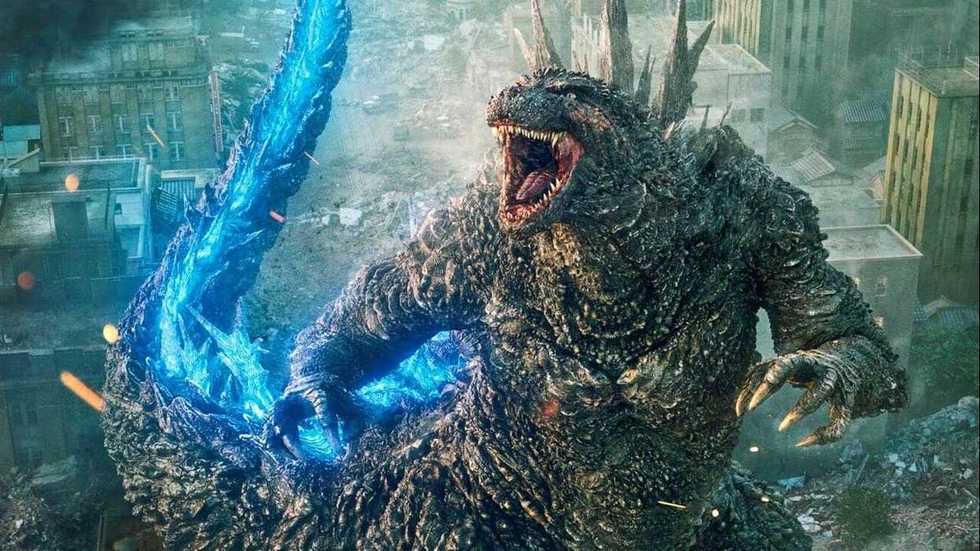
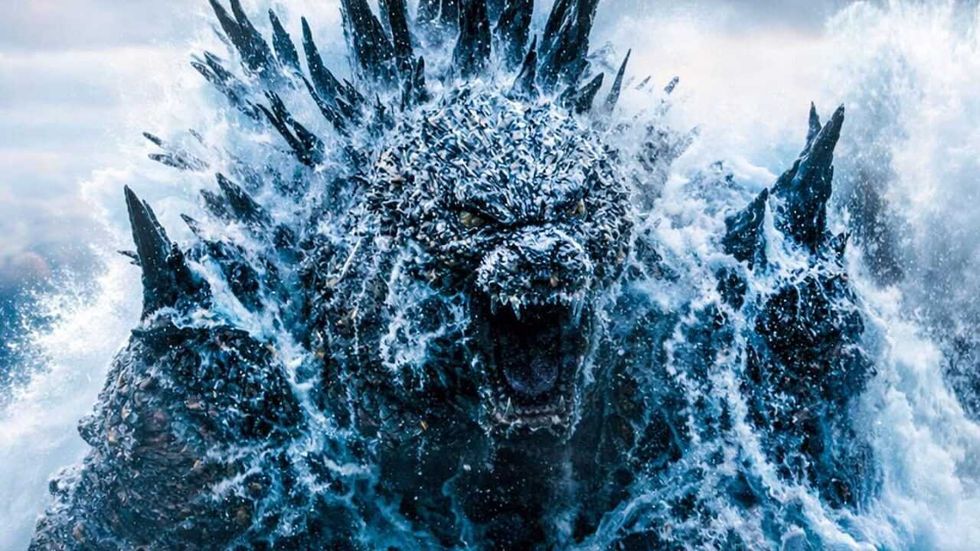 ‘Godzilla Minus Zero’Caption: Toho Studios
The character of Godzilla was created specifically as a metaphor for the horrors of the atomic war age. The original 1954 film shows Godzilla being awakened and eventually mutated through atomic bomb testing. Much of this post-war sentiment and paranoia is also present in Minus One. The film takes place during that age; we see characters engaging in war conflicts, and Godzilla himself maintains a clear path of destruction that mimics the damage done by nuclear warfare.
It’s clear that they’re doubling down on this sentiment in Minus Zero, as the recently released teaser gives an even closer look at new man-made bombs, as well as taglines about our eventual, man-made, mutually assured destruction. This style of commentary isn’t exactly new, and goes back to the direct roots of the Godzilla character. With that said, it worked well in Minus One, so there’s no reason to suggest that it won’t work again in November. Plus, any thematics is often better than no thematics.
That’s where the American MonsterVerse comes in. The 2014 Godzilla and Kong: Skull Island aren’t entirely devoid of any sort of commentary, with the former tackling some things we’ve already discussed, and the latter being an Apocalypse Now-style war film. Even some of the newer films have some intriguing tidbits on environmental conservation and climate change. However, these things never really take center stage.
The priorities of the newer American films are very clearly making things get destroyed by Godzilla and the other monsters in increasingly elaborate ways. If some subtext work appears naturally through that progression, the films will most happily include it. But it is fascinating to see both franchises use the same type of characters and structures, but for nearly completely different goals.
- This Is How Sound Designers Made the Iconic Godzilla Roar ›
- How Does 'Godzilla Minus One' Accomplish Its VFX Shots? ›
- 'Godzilla Minus Zero': Toho Confirms Sequel to Oscar-Winning ‘Minus One’ ›
- The Story Behind ‘Godzilla’: It Was Never Meant To Be A “Fun” Monster Movie ›
- You Can Sell Kaiju Scale Without a Blockbuster Budget | No Film School ›