What to Do Instead of Using AI Art in Your Horror Film
Avoid the PR nightmare.
'Late Night with the Devil'
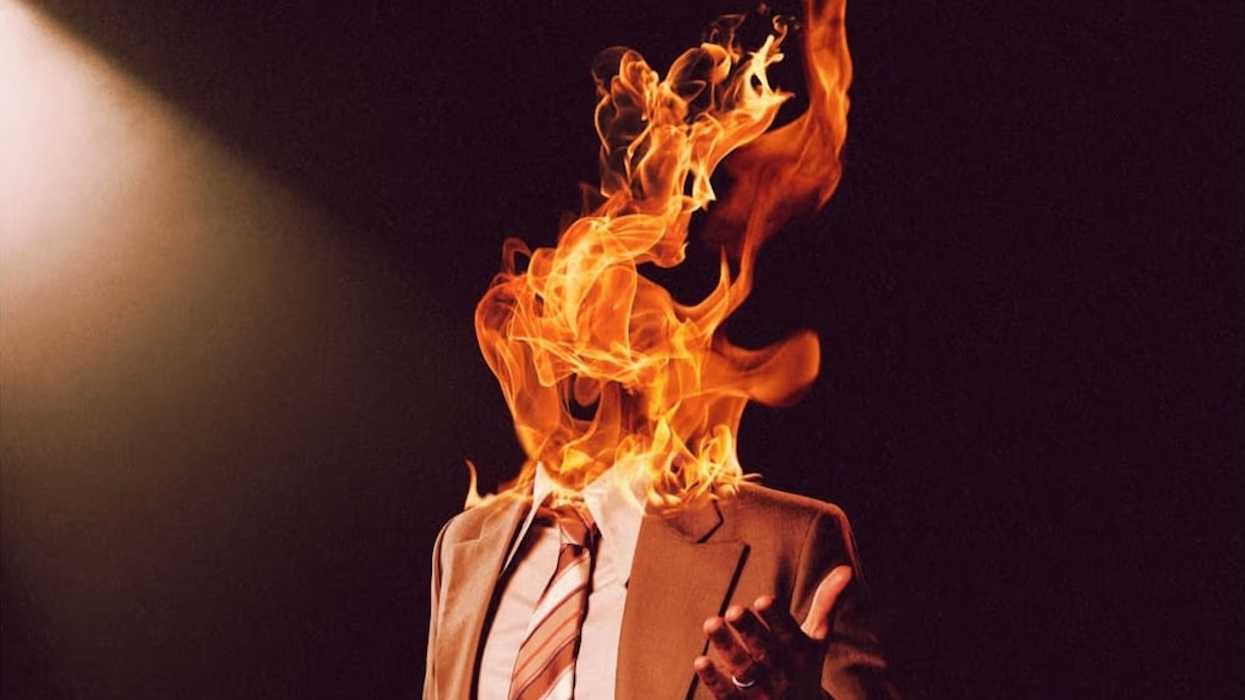
The backlash against AI-generated imagery in horror films hit a landmark moment in 2024, when Late Night with the Devil faced anger after viewers spotted three AI-generated interstitial images in the indie horror hit.
Directors Colin and Cameron Cairnes admitted they'd used the technology for brief still images.
In a statement to Variety, they said, "In conjunction with our amazing graphics and production design team, all of whom worked tirelessly to give this film the 70s aesthetic we had always imagined, we experimented with AI for three still images which we edited further and ultimately appear as very brief interstitials in the film. We feel incredibly fortunate to have had such a talented and passionate cast, crew and producing team go above and beyond to help bring this film to life. We can’t wait for everyone to see it for themselves this weekend."
The damage was done. People online weren't happy. For example, visual artist Karla Ortiz called on filmmakers to replace imagery like this with traditional human-made art.
The controversy became significant enough that A24's Heretic included an end credits disclaimer, stating, "No generative AI was used in the making of this film." Directors Scott Beck and Bryan Woods told Variety they felt compelled to draw a line in the sand, even though their film doesn't have extensive visual effects.
The allure of a fast, free, and easy solution like DALL-E or Midjourney is understandable. But you have options that are just as easy or just as cheap. It might just take you a little more time to achieve.
Use Free Stock Photography
For period-specific imagery or atmospheric stills, stock photo libraries and public domain resources give you extensive options.
Sites like Unsplash, Pixabay, and the Library of Congress archives contain thousands of royalty-free images you can often legally use and manipulate. (Make sure always to read the fine print of usage rights.)
Download high-resolution photos that match your film's aesthetic, then composite or distort them in an editor of your choice. Easy, and you might develop some new skills in the process.
Source Antique Photos and Graphics
More recently, the new V/H/S movie has caught some flack for a shot of what appears to be odd AI images. In its review, Paste Magazine noted of the film, "Its visuals have wonderful texture—one glaring potential use of A.I. imagery aside."
You don't want viewers to be jolted out of your atmosphere because you opted for an AI image.
Instead, it's fairly straightforward to find some actually creepy period photos (like the team could have done in this case) from any antique or vintage store, where you can often purchase old pictures, postcards, stationary, or signage for a dollar or less. These will already be weathered and have their own aesthetic appropriate for a horror film.
- YouTube www.youtube.com
Hire Someone
When you need title cards, photos, or promotional imagery (and you have the budget) hire a graphic designer or photographer.
As Ortiz pointed out during the Late Night with the Devil backlash, the filmmakers could have easily contracted an artist to create something better than AI output.
Freelance platforms offer designers at various price points, and you'll get work tailored to your vision. Fiverr offers low-cost options, especially if you just need individual elements. 99designs offers logos, branding, and illustration, and is still fairly cost-effective.
If you need photos, you can take candids easily yourselves or walk into any local photo studio for a low fee. Or, if you're in a pinch, use Canva or Photoshop to Frankenstein them yourself. (Poorly edited photos have been in films since the dawn of time, so it's fine.)
The point is, a designer or photographer can match period aesthetics and deliver files you actually own with no copyright concerns. Plus, you'd be supporting working artists rather than feeding content into algorithms.
The PR Risk Is Too Great
You don't want your film to be defined by anger from people online, upset you cut corners, because it's the kind of backlash that can overshadow the rest of your creative endeavor.
Woods described generative AI as "an algorithm jumbling a bunch of shit together and then spitting it out as art." Ensure your work stands on its own by at least trying to meet your creative needs these ways first.