Noah Hawley has a resume most writers would kill for. He created Fargo for FX, turned Legion into one of the stranger superhero shows on TV, adapted the Alien franchise for Hulu with Alien: Earth, and has written novels on the side.
In a conversation with David Perell, Hawley broke down how he thinks about story, the realities of working inside a system, and what it takes to build a career that lasts. Let's dive in.
- YouTube www.youtube.com
Start with a Question, Not a Plot
Hawley's entry point into almost every project is a question he wants to answer.
His first novel, A Conspiracy of Tall Men, centered on a political science question about the cycles of American paranoia.
"The book becomes the answer to the question," he said.
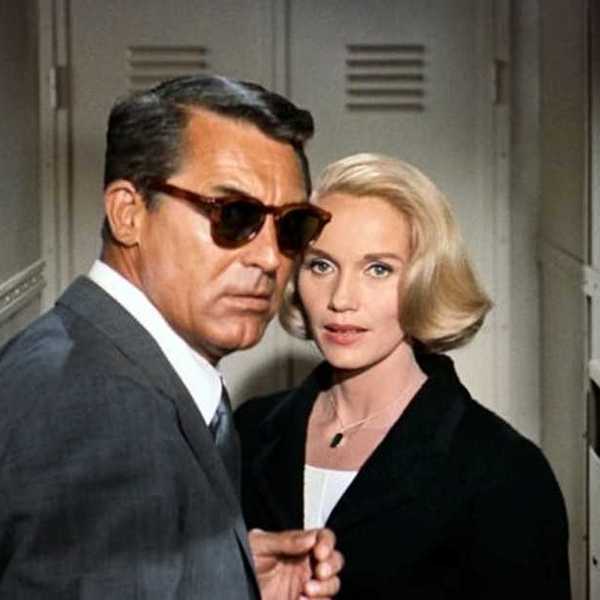
For the first season of Fargo, he started with an image—two men meeting in an emergency room, one civilized and one not.
"And then I'm like, well, that's interesting. Who are the men, and what happens next?"
The season answers that question.
Theme, by this logic, isn't a layer you add at the end. We've covered this on NFS before. Theme is the question your story is debating from page one. For Hawley, every season of Fargo runs on some version of decency versus cynicism. The question shifts in its specifics (season three was shaped by the post-2016 "post-truth" moment), but the motor is the same. Know what you're trying to answer before you start populating a story with characters.
A Writers' Room Runs on Plot—Push It Toward Theme
Hawley has a complicated relationship with writers' rooms. His diagnosis is that they default to the "what happens next" brain instead of the writing brain.
"A writers' room is a collection of people with very different brains, and the only common language they speak is plot," he said. "So you tend to end up with this happens, then this happens, then this happens. Right? So, it's very narrative-driven because you're breaking story in a room with the 'what happens next' mindset, you're not really using the writing part of your brain, you're using the list-making part of your brain, the outline part of your brain, right? And they're very different brains."
His fix, when he can manage it, is to redirect the room. Instead of breaking story, he'll ask the writers to spend a day talking about how a theme (assimilation in one Fargo season, for example) runs through all the characters.
The plot conversation can wait. Once the thematic conversation is alive, the story tends to generate itself more organically. Understanding how a writers' room functions helps you know when to work inside it and when to reroute it.
Know Where Your Story Ends
Hawley brings up the much-maligned LOST. The show lost the plot because Damon Lindelof couldn't get an end date. Without knowing how much runway he had, Lindelof had no choice but to stall, and characters ended up "literally trapped in a cage" in Season 3 because there was nowhere to take them.
Hawley's solution (selling Fargo as an anthology from the jump) was specifically designed to avoid that trap.
"I always feel like the ending of a story is what gives the story meaning," he said. "And so if you don't know how it ends or where it ends, how do you know what story you're telling on some level?"
This is a structural issue that shows up across the streaming era. A strong first season, then a second season that scrambles to service all the characters who happened to survive. Sometimes continuing a story and returning to characters is more difficult than starting over.
Hawley talks about this explicitly. In a second season, you're no longer building a story and finding the characters who fit it. You're managing actors who have contracts and characters who have fan bases, and you end up writing a storyline you don't care about because you don't know what else to do with two people. He suggests figuring out what the second season is actually about, then deciding which characters belong in it. Let the others sit out.
 Fargo Credit: FX
Seem Easy to Work With... Get What You Want Anyway
The most pragmatic thing Hawley said in the whole conversation is about navigating notes.
The instinct for a lot of writers is to go to war with a network when they disagree. Hawley's position is that this is a career-ending move.
"You hear these stories. Someone got their first show, and they just went to war with the network about it so that they could make the show that they had in their mind," he said. "And then they never made anything else again, because the network's like, life's too short to work with those people."
His approach is playfulness as creative problem-solving.
When a note comes in that he thinks is wrong, it's not about defensiveness. The question isn't, "How do I win this argument?" It's, "How do I get what I want while making them think I'm giving them what they want?"
He frames this as a skill (possibly the skill) for staying employed. Deliver on time, on budget, and don't blow your working relationships over things you can live with. Save the fight for the things you can't.
"You have to find a way to seem easy to work with, to seem to be easy to work with, but also, 'Oh, but he got what he wanted on the screen.' You know, 'She told the story that she wanted to tell, and I feel good about it,' right?"
The throughline across all of it is that Hawley thinks of writing as something you do for a living, which means it has to function inside an industry.
Talent gets you in the room. Knowing how to tell a story in the room gets you the gig. Delivering when you leave the room gets you a career.
What's your favorite Noah Hawley project? What have you learned from watching his TV shows?