I don't know about you, but to me, it feelsl ike every summer we're fed movies that are around three hours long. When you factor in trailers and credits, you're basically at the movies for four hours.
That's a marathon.
Back in the day, these long movies usually came with intermissions. They were strategically placed to encourage your enjoyment and give you the opportunity for a bathroom break and to steel yourself and assess your emotions as you moved into the next part.
But intermissions have gone by the wayside, and we've only seen a couple in recent memory. With blockbusters getting longer, is it time for a comeback?
Let's dive in.
- YouTubewww.youtube.com
The Golden Era of the Hollywood Halftime
If you went to see a massive Hollywood blockbuster between the 1930s and the 1960s, that mid-movie break was part of the event.
You got to stretch, talk about the parts you loved, and even pick up some more snacks for the back half of the adventure.
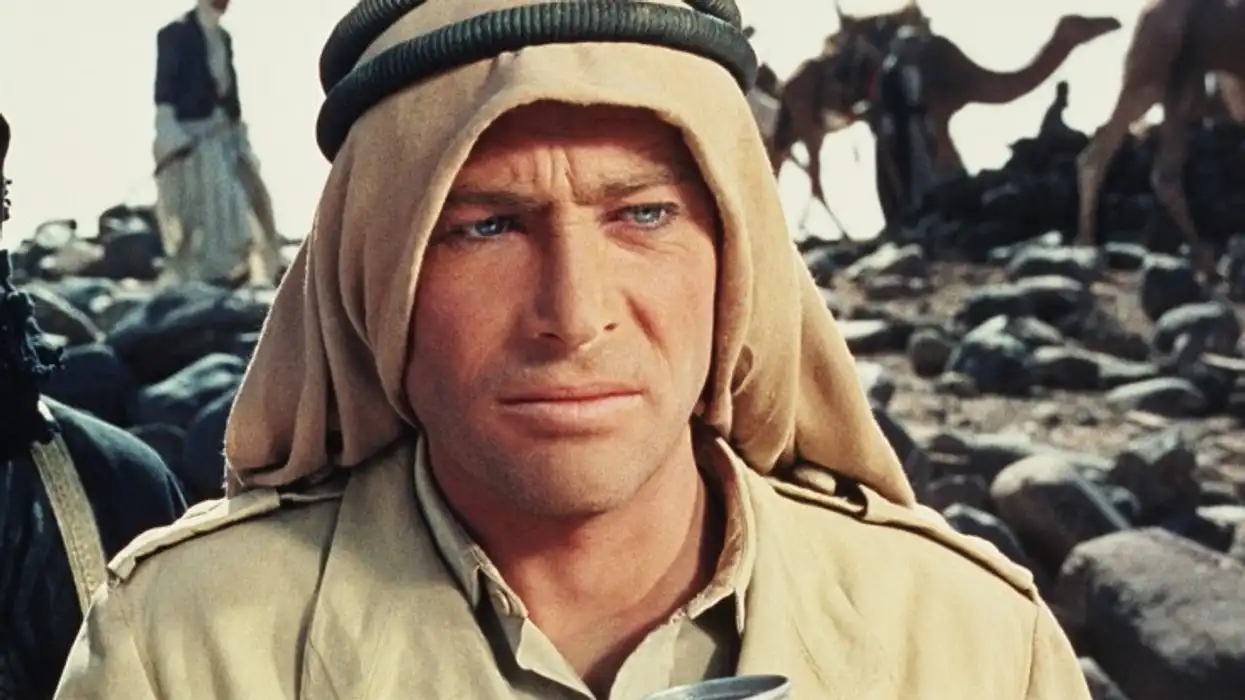
Imagine seeing epics like Gone with the Wind (1939), Ben-Hur (1959), and Lawrence of Arabia (1962) where you could get lush musical entr'actes that began as the screen faded to a card reading "Intermission."
Those were the days.
There were actual, practical reasons we got those intermissions back in the day.
Projectionists needed time to physically swap out heavy celluloid film reels and take a break themselves.
Intermissions were also a chance for the story to take us somewhere with a big cliffhanger or different midpoint that made us question what we had seen and where it could go.
For example, in Lawrence of Arabia, the intermission hits right after T.E. Lawrence successfully crosses the Sinai Desert.
This is a massive beat and shows the conquering of a land previously thought to be unconquerable after an epic set piece.
The audience gets fifteen minutes to catch their breath, debate the sheer scale of the visuals, and return just as the second half shifts into a much darker, psychological exploration of ego and war as we pick Lawrence apart after this feat.
It gave the story structural room to breathe, and gave the audience a second to steel themselves for the drama ahead.
 'The Brutalist' Credit: A24
Why Did the Intermissions Go Away?
There are lots of reasons, but the main one is that multiplexes make a lot more money if they can schedule movies to play more. Intermissions were cutting into the number of times we could have a title play on the big screen.
Exhibition is a volume game. If a theater owner adds a 15-minute intermission to a 180-minute movie, plus the time it takes to clear and re-seat the auditorium, they lose an entire screening slot per day.
That drove down ticket sales and would affect box office and the bottom line.
Second, technology evolved, and digital projection meant movies could run continuously without a single break and without a projectionist trying to catch up to them.
But movies are definitely not getting shorter.
The Modern Runtime Crisis
In the last decade, we've seen directors like Martin Scorsese, Christopher Nolan, and James Cameron routinely cross the three-hour mark with their major releases.
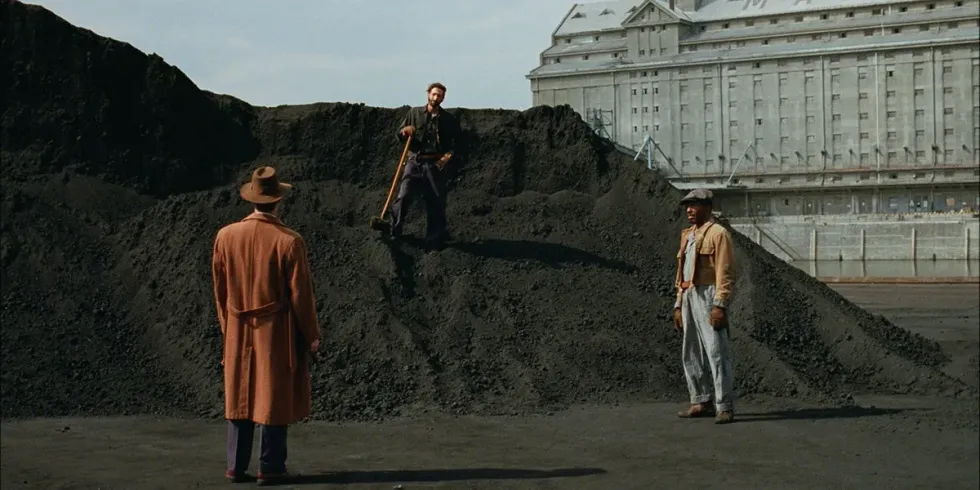
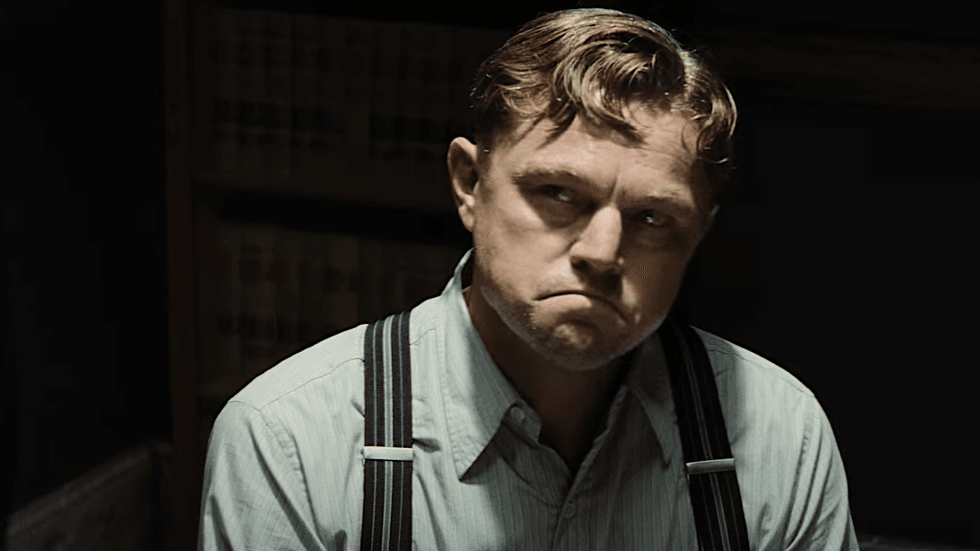
We’ve sat through Oppenheimer (181 minutes), Killers of the Flower Moon (206 minutes), and The Brutalist (215 minutes)... those were really long movies!
And only one of them came with an intermission!
When Killers of the Flower Moon dropped, a few independent theaters actually inserted unauthorized intermissions to give audiences a mental break.
Now, I was against that, and I still am. But I do wish Scorsese had built a pause in so we could collect ourselves, especially when the movie changes so much in the back half.
I understand the desire to show a movie a ton, but why are studios fighting so hard against something that could actually help the theatrical experience?
Surely word of mouth and a longer run in theaters could help compensate for these intermissions.
And people may see that as a selling point, knowing they won't miss anything if they get a break in the middle instead of waiting for home.
 'Killers of the Flower Moon' Credit: Apple Original Films/Paramount Pictures
Could Intermissions Save Movie Theaters?
The theatrical model is facing stiff competition from streaming, and the number one argument for watching a movie at home is simple: “I can pause it whenever I want.”
Well, I think filmmakers and studios should think about adding a pause for theatrical movies that hit three hours.
And I believe it would help theaters in obvious ways.
Movie theaters don't make their real margins on ticket sales; they make them at the concession stand. An audience with a fifteen-minute window halfway through a four-hour commitment means a second wave of soda, popcorn, and candy sales.
You would undeniably make more if you had a built-in break for people to buy.
The other thing I'd like to bring attention to is that people have much shorter attention spans. Social Media has made us dumber, and I think having that break may help alleviate some of that mental capacity loss.
As I have said above, a brief intermission allows viewers to reset and return to their seats, dialed back into the story for the climax.
Maybe it would even allow people to check their phones, so we have less of it in our faces when we're trying to watch the movie.
Will Intermissions Make a Comeback?
Probably not.
I think theaters still want to pack in titles as much as possible and just assume people will get up and pee if they need to.
But I was excited when Brady Corbet’s 70mm epic The Brutalist intentionally built a 15-minute intermission directly into its theatrical release.
And I hope other directors who saw that movie also saw the power of having that pause.
Let us know your thoughts in the comments.