In filmmaking, framing and pacing can turn an everyday moment into a heart-pounding thriller. Every angle chosen and decision to hold or cut a shot is a deliberate move designed to shape the audience’s emotions.
One of the most famous examples of this is the shower scene in Psycho. Hitchcock was able to turn an innocent, everyday practice into a nail-biting roller coaster ride because of the way he shot it. In found footage films, these choices become even more critical, intensifying tension through a raw, engrossing style.
Cinematographer Jeffy Can knows this well—his latest project, Sleep Stalker, uses a selfie-vlog format to blur the line between reality and horror without leaning on traditional jump scares or familiar horror tropes. From the characters’ unwavering eye contact with the lens to scenes where the camera is suddenly dropped or passed between hands, each moment pulls viewers in while hinting at unseen dangers lurking just beyond the frame.
In the conversation below, Jeffy opens up about the unique challenges and creative decisions involved in turning seemingly casual, everyday footage into dread through subtle manipulation of perspective and timing. He also talks about his work on the History Channel shows Holy Marvels with Dennis Quaid and The Unbelievable with Dan Aykroyd. Sleep Stalker is now available on VOD.
- YouTube www.youtube.com
No Film School: How did you first get into cinematography?
Jeffy Can: I found a love for photography as early as junior high—shooting film, shooting digital, anything I could get my hands on. Movies pulled me in too: big ‘90s blockbusters when I was a kid, then indie gems I discovered in high school (thank you, Netflix mail-in DVDs). Ultimately, when thinking about what career to get into, photography and film naturally led me to cinematography. I knew I'd have to move to LA to do it.
When I finally moved in 2010, I forgot to set up power and internet—rookie mistake. So I spent a few days skating around Koreatown, chasing AC and Wi-Fi. One day I cruised past a set with a FilmLA permit, I walked on and offered to help. Naturally, they told me to buzz off, but two days later, they actually called me to PA. The camera crew took me under their wing and, well… that was the start of everything.
NFS: What attracted you to the Sleep Stalker script?
JC: The concept hooked me—it was fun, timely, and had a perfect reason to be found footage. It made total sense to lean into that lo-fi vibe, since the story’s shot through the eyes of vloggers, which really helped being on an ultra-low budget. Also, I had actually worked with DIY YouTubers in the past who seemed to have a really great life together, so flipping that all on its head in a horror feature was pretty entertaining.
NFS: What camera and lenses did you use on Sleep Stalker?
JC: Before I was brought on, the plan was to shoot with a Sony camcorder and use iPhones for security cameras. After doing some camera tests, we were all pretty unhappy with the footage, and we decided to go with an A7siii, which I feel like is common for content creators nowadays. We shot on Cine-Mod Zeiss Zf.2 Classics, and occasional Sony G masters when we wanted to utilize autofocus for moments the actors were holding the camera, or even moments we wanted to use the autofocus for a gag.
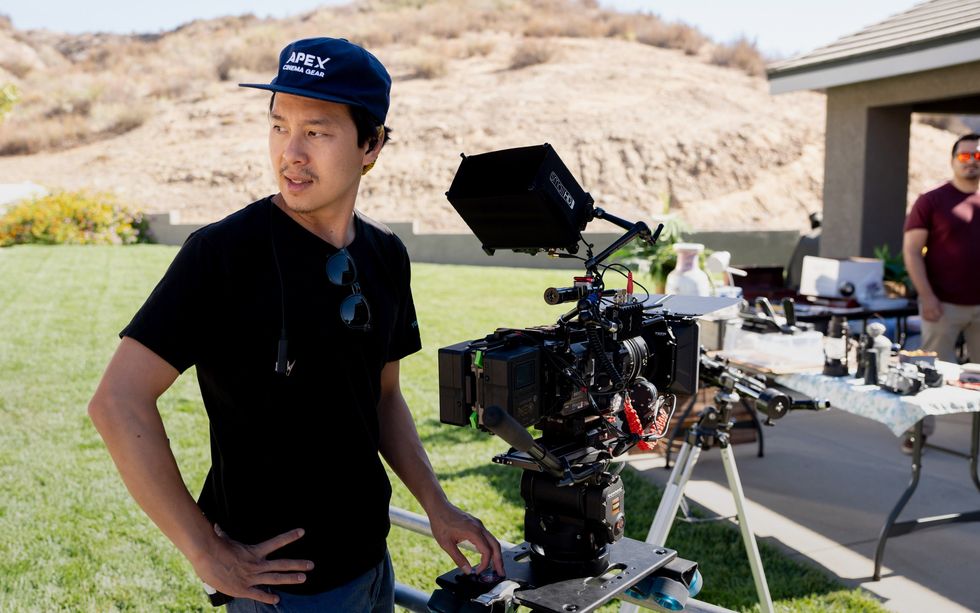 Jeffy CanCourtesy of Jeffy Can
NFS: What techniques did you use to make the audience feel unsettled, even when nothing overtly scary is happening?
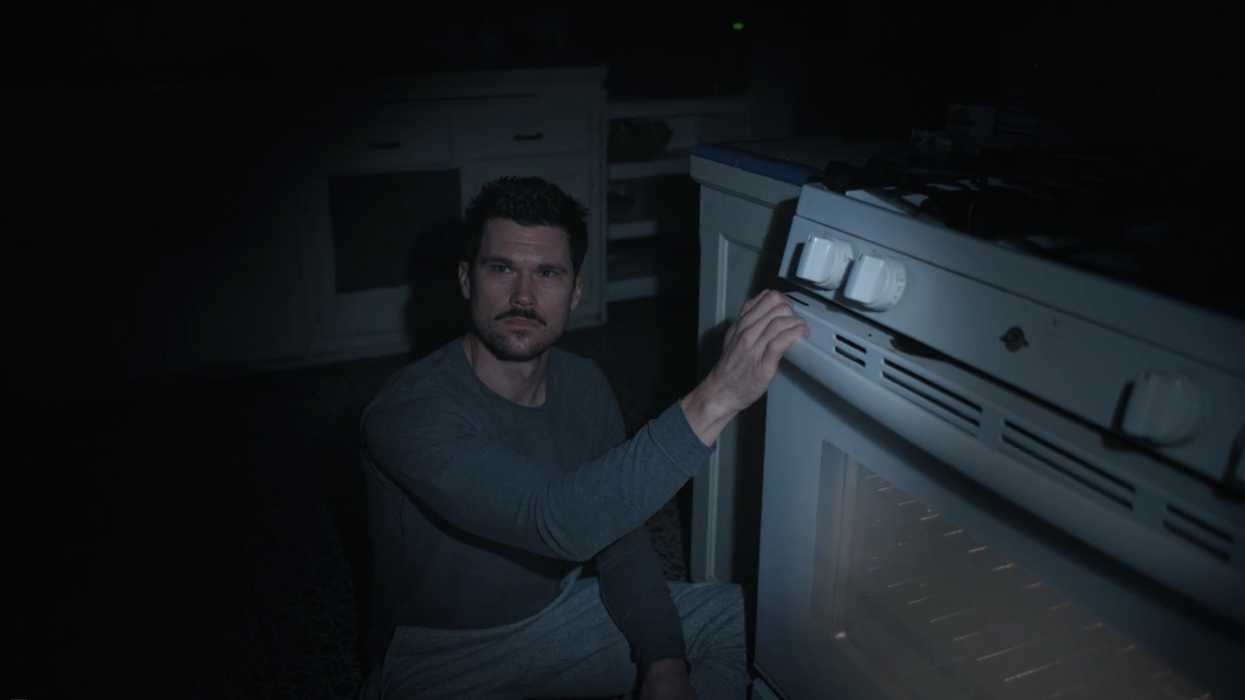
JC: Framing that the whole story occurs within the outtakes of Shane and Gabby's vlog allowed us to play around with raw, unedited moments. Rather than feeling overly produced, we leaned into awkward silences and little stumbles. We tried to craft moments that felt normal for a house that needs repair. So, juxtaposing everyday DIY moments with mysterious interruptions, hopefully leaves the audience unsure if what was occurring was supernatural or not.
NFS: What were the biggest technical challenges in shooting found footage style, and how did you work around them?
JC: I think the biggest piece for me was the notion that the actors were supposed to be self-taping their vlogs. It was a lot to ask for the actors to perform (which involved a lot of improvisation) while hitting all their marks in time and also landing the frame for a specific gag that is to occur behind them. So we devised a plan where I would operate most of the time, and create a language between myself, Josh, and Gabrielle to signal when we wanted to flip the camera around to selfie and back. We also had moments that I had to fully hand off the camera, for example, when Gabby looks into the mirror with the camera, we choreographed a hand off and hide, which was actually a lot of fun. But all of this created limitations on how we could build the camera; it had to stay light and pretty stripped down.
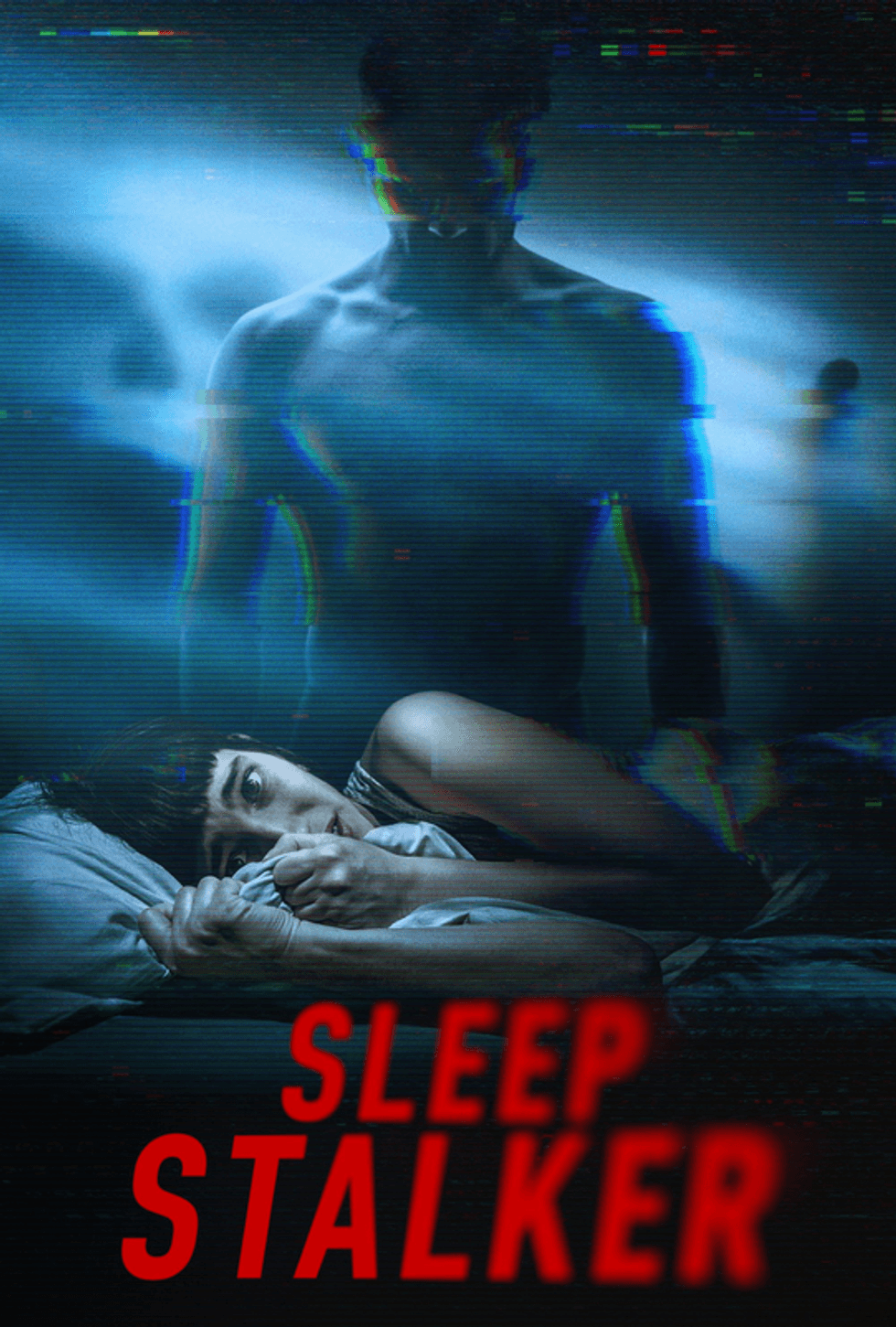 'Sleep Stalker' Credit: Swim Sim Entertainment
NFS: How did you use framing and pacing to dial up tension without traditional horror setups?
JC: The selfie-vlog format gave us room to try different storytelling tricks. Shane and Gabby stare right into the lens, and I think audiences are accustomed now to be directly engaged with the vlogger. So then we can set up a gag that unfolds behind them, pulling their eyes—and ours in another direction. Other times, they drop the camera mid-scene and step out of frame to investigate something, leaving the audience alone with whatever creeps in. We even tied camera movement to their emotions—steady and composed when in “vlog mode,” then jagged and frantic when fear took over.
NFS: How did you approach color-grading or degradation effects, so the footage still felt raw and uploaded by amateurs?
Can: I wasn't able to get too involved in the online unfortunately, as I had spent a bunch of time in Toronto working on a History show at the time. But we did talk about leaving the footage a bit raw, we wanted it to feel almost like log (without actually being straight up log). We talked about doing a “night vision” effect for the late-night sleepwalking captured on the security cam.
NFS: Was the camera ever in the hands of the actors themselves? If so, how did you prepare or coach them?
JC: Definitely, there were times I couldn't physically fit in the space or had to deal with a mirror's reflection. I also tried to avoid intruding on intimate scenes, like I didn't necessarily want to be in between the two in bed, though sometimes it couldn't be helped.
My solution was a stripped-down camera build designed for easy handoffs and translating the camera framing to the actors' marks so they knew exactly what the shot was. Honestly, Josh and Gabrielle were amazing with the camera in their hands; they barely needed any handholding. Except for the literal handholding, when in selfie mode, they would hold my hand as I was operating the camera to help maintain the illusion, they were self-taping—so we got pretty comfy with each other fast.
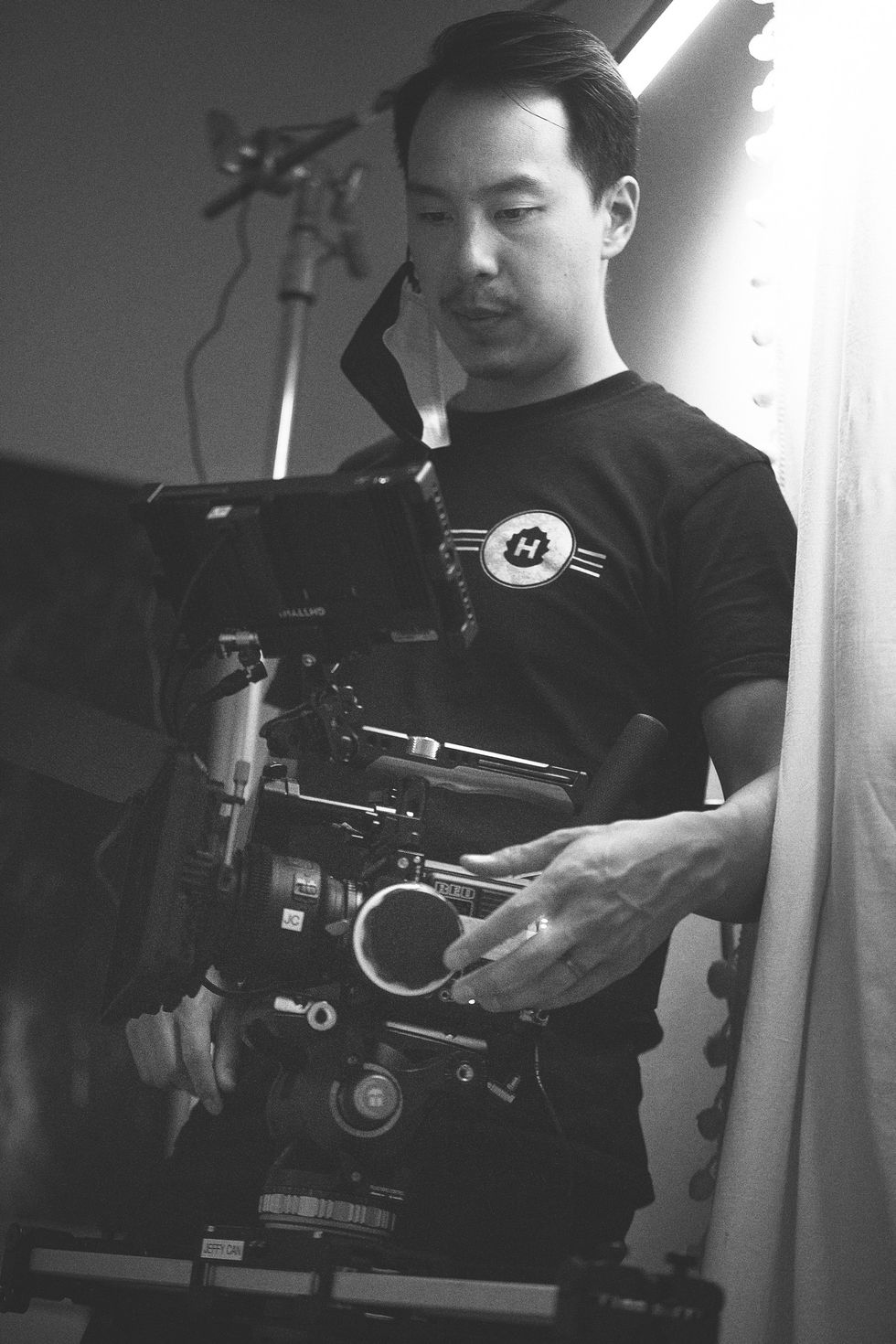 Jeffy CanCourtesy of Jeffy Can
NFS: You work on a lot of History Channel shows, such as Holy Marvels with Dennis Quaid and The Unbelievable with Dan Aykroyd. How is your approach to these projects different than the features you have worked on?
JC: It’s a completely different scale. These productions aren’t massive, but I still have full support teams—camera, grip, electric, art, amongst other departments. We’re running a remote head on a dolly or jib, and most of it is virtual production on a stage. That means a lot more coordination and facilitation—figuring out what it takes to craft the image, then communicating that clearly and quickly to the crew. It’s not too different from some other narrative projects I’ve done with a bit of budget, but Sleep Stalker was another story. That was mostly just me. Everyone pitched in where they could, but some tasks you simply can’t hand off for safety and efficiency. So you end up in triage mode—deciding what you can physically pull off and still keep the camera rolling. I think it ended up working fine for the concept of the DIY vlog horror.
NFS: Is there a certain genre or director you would love to work with one day?
JC: Honestly, I’d love to work with any director—I enjoy collaborating with new people and personalities, and that’s always one of the most exciting parts of the process. Genre-wise, sci-fi horror is definitely a space I’d love to explore. But truthfully, I just love shooting—whether it’s drama, action, or documentary, it’s all part of the dream. On a personal note, I’ve long wanted to develop a doc centered on environmental sustainability or conservation. I haven’t been able to get anything off the ground yet, but it’s the kind of passion project I know would be deeply fulfilling someday.