You Can Light a Whole Movie with Just These Lights
Have you used tube lights creatively like this?

Could you light almost a whole movie with just Nanlite PavoTube II 30C RGB LED Tube Lights?
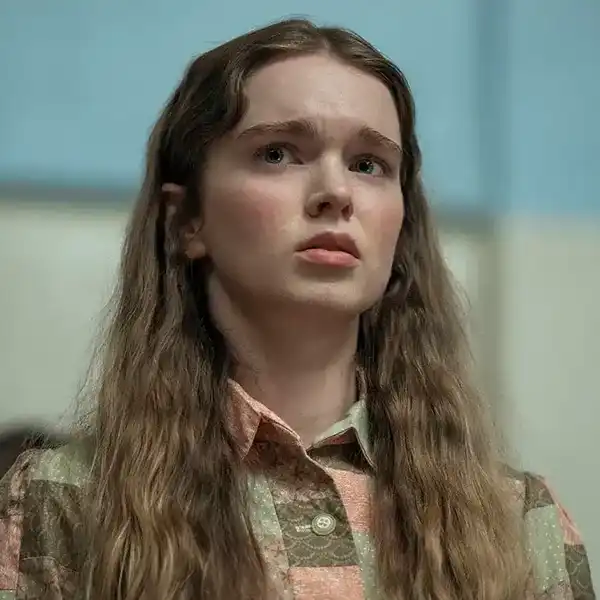
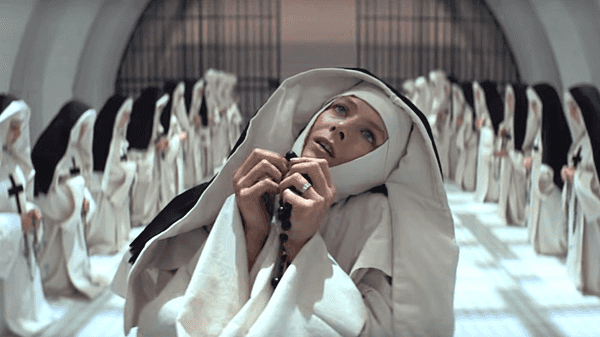
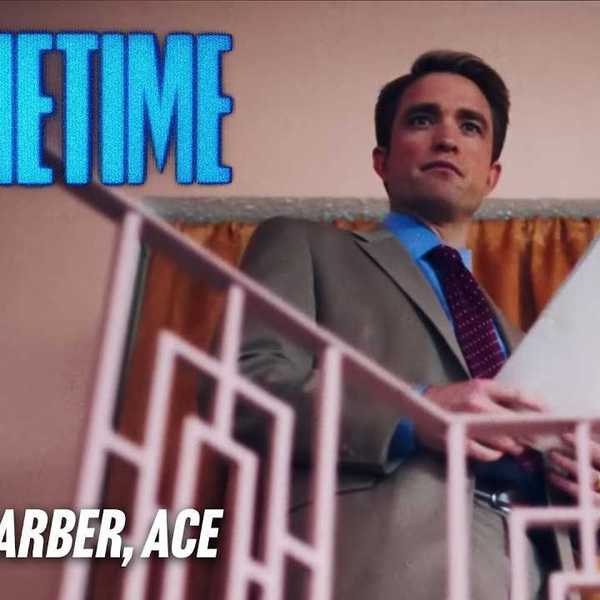
That’s what cinematographer Spenser Sakurai did on his last project.
In his newest in-depth behind-the-scenes video, Sakurai describes how he used the LEDs in creative ways, complete with various setups and specific advice.
According to him, the tube lights became "the workhorse” of his film, proving that one versatile, affordable lighting tool can handle most situations when used strategically and consistently.
Check out his video below.
- YouTube www.youtube.com
Equipment Strategy
Battery-powered tube lights are game-changers. Sakurai shot roughly 700 shots in 15 days using the tube lights as their primary lighting source.
These lights eliminate power requirements, speed up production, and work in challenging locations where running cables is impossible. Tube lights are light enough for any stand and can be controlled via smartphone apps. They can be mounted to walls, placed on furniture, or used with simple "chicken foot" tripods for ultimate flexibility.
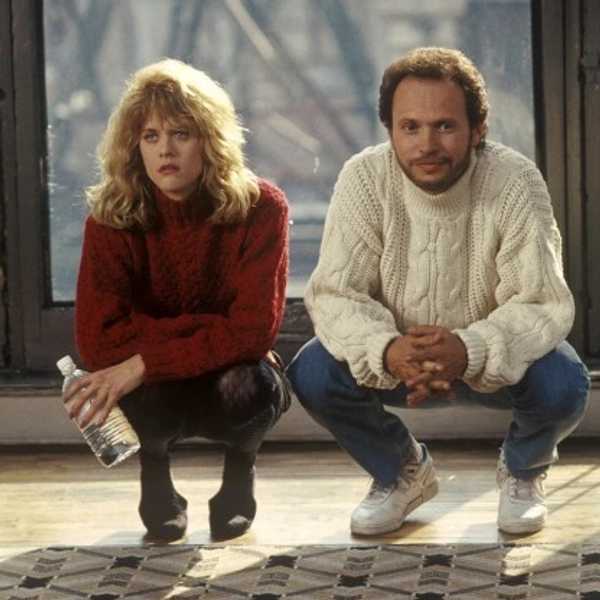
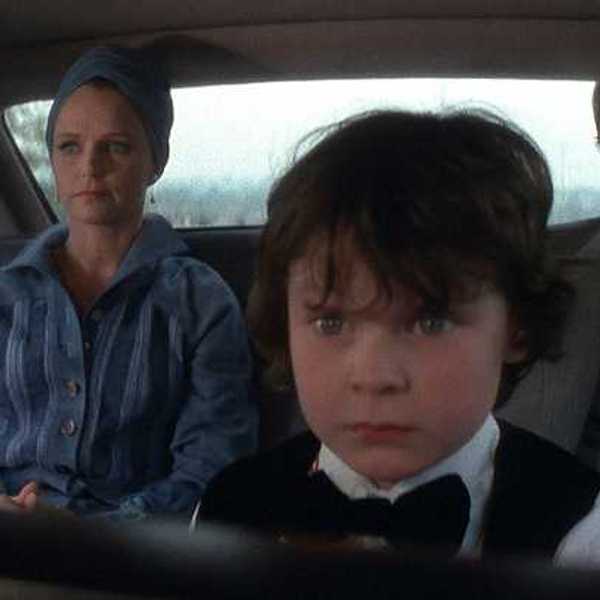
Sakurai used the French over shot for some dialogue scenes. (French overs are a type of over-the-shoulder shot that distances the viewer slightly.)
The approach works brilliantly for tube light setups because it allows one light to serve multiple functions as characters move. You can position one tube as key light and another as edge/fill light when shooting over actors' shoulders.
Sakurai used pool noodles to fit over the tube lights for instant softening. You can remove them when more intense light is needed.
Time Management and Efficiency
Speed is everything on low-budget shoots. When shooting hundreds of shots fast, having lights that are "nimble, quick, and can basically do everything" becomes essential. Battery power means no time wasted finding outlets or running cables. The PavoTube II 30C delivers up to 2.5 hours of battery life at 100% brightness.
When you light a scene, start with existing light sources. Always begin with the practicals already in the room—monitors, lamps, windows—then supplement with tube lights.
This approach saves setup time and creates more natural-looking lighting.
Other Setups
You can double-diffuse these LEDs for soft interiors/book lights. Run the tube lights through pool noodles, bounce them off ultra bounce boards, then through silk for professional-looking soft light. The tube light later stood in for the lamp practical that was established in these interior shots, too.
Consider your color temperature for night scenes. Sakurai set his tubes between 5600-6500K while white balancing cameras around 3200K.
Embrace limitations creatively. Instead of fighting budget constraints, Sakurai developed a systematic approach using the same basic lighting setup repeatedly. In his case, consistency and technique mattered more for a clean, professional look than expensive equipment.
Let us know how you've used tube lights creatively.