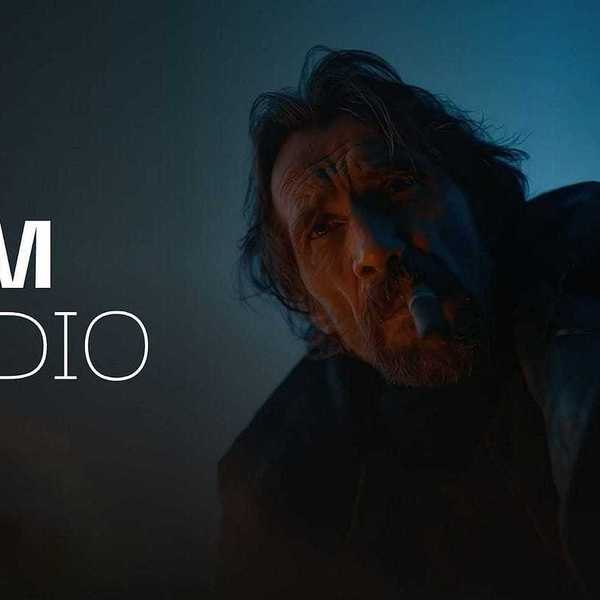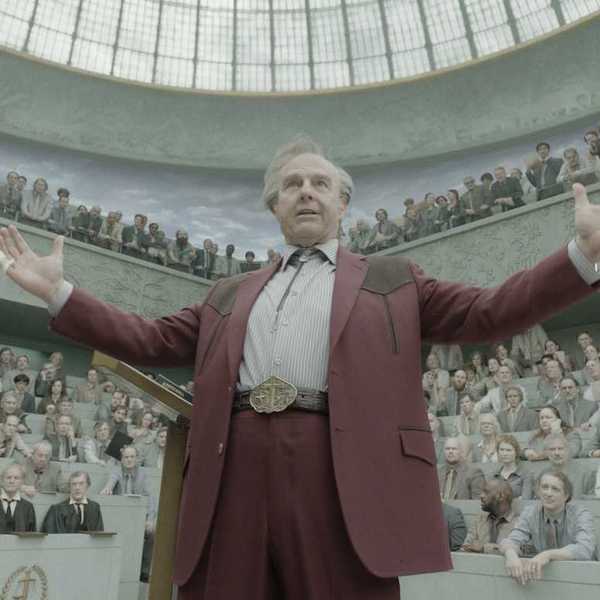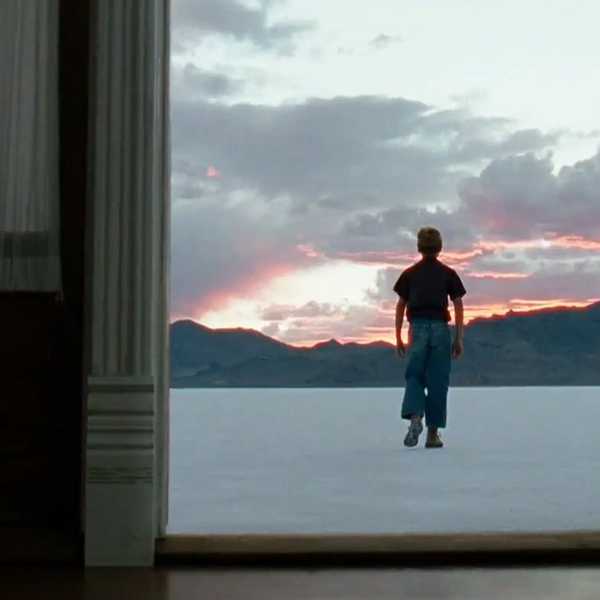
One of the standout films at this year’s Fantastic Fest, Shelby Oaks is the directorial debut feature by Chris Stuckmann, a popular horror YouTube film critic and leading voice in horror culture. The film, which had a unique development that spanned several years, is a fascinating horror debut that is able to find that perfect blend of frightfulness and intrigue.
To bring the project to life, we spoke with cinematographer Andrew Scott Baird, who worked on the project for nearly four years and was able to work with Stuckmann to craft a visual style and colorspace that reflects their favorite horror classics, yet carves out something new and terrifyingly unique.
NFS: Tell us a bit about your background in filmmaking and cinematography! How did you come to work on Shelby Oaks?
Andrew Scott Baird: I had spent a lot of time making short films and stop motion animations with action figures when I was younger. I grew up in Colorado, and working in film didn’t seem like something any normal person could do, so I never really considered it. I wanted to be a psychiatrist, and was completely miserable my first year of college. One day, a friend of mine that I grew up with called and told me about a film school in Colorado. I didn’t even show up for my finals that semester and registered for film school. That was the beginning of my filmmaking journey.
In 2005, I moved to Austin, Texas, to pursue cinematography. Austin has a pretty vibrant indie horror scene, and I had met Aaron B. Koontz at SXSW several years back and started working together. We did a couple of shorts together and eventually jumped into features. We did Scare Package 1 & 2 together, as well as Pale Door.
He has moved more into producing lately, but we have continued to work together. I shot Blood Relatives with Noah Segan, which was produced by Aaron and Paperstreet, and when Aaron told me he had met Chris and thought I would be a good fit for Shelby Oaks, I scheduled a chat with Stuckmann, and we bonded over movies we enjoyed as well as certain films we shared a distaste for. We started discussing how we would approach Shelby Oaks after that call and spent 3.5 years bringing the film to life.

Behind the scenes of 'Shelby Oaks'
Credit: Brian Nixon/Outsider Visuals
NFS: With writer and director Chris Stuckmann's unique background as a YouTuber and film critic, what kind of conversations went into shaping the visual style of the project?
ASB: Chris is a true lover of cinema and has such a great appreciation for visual storytelling. He had directed a handful of short films before writing Shelby Oaks, and he seemed to have a clear idea of certain traps a director can fall into on a low-budget film. As he was writing Shelby Oaks, he already had these amazing locations in mind and built the script around these jaw-dropping set pieces.
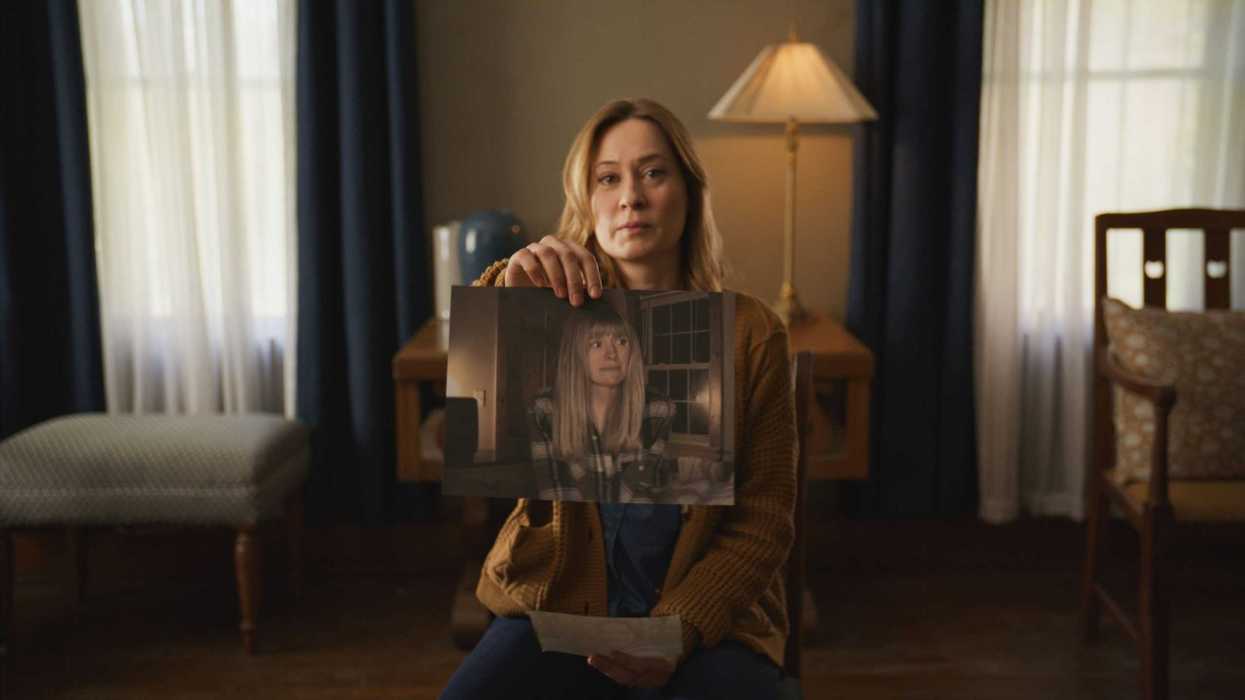
He also kept the cast fairly small, which really helped us to move quickly on such a tight schedule. It was important that the documentary felt different than the narrative portion, so we had discussed allowing the use of Easy-Rig shooting and more static B-Roll shots. The interviews were inspired by modern true crime documentaries in terms of contrast ratio and intimacy.
When we switched over to narrative film, we wanted to keep the camera moves clean, intentional, and slow. We deviated from those rules when we felt it had a narrative purpose and brought attention to certain moments.
NFS: What camera(s) did you shoot on and why?
ASB: We filmed the majority of Shelby Oaks on the RED V-Raptor VV. That sensor performed so well in low light, and so much of this film was going to be in tough environments to light, so we needed to get as much fidelity as we could from our camera package. The high-speed capabilities were also important. We knew we were going to shoot one particular scene in slow motion and didn’t want to compromise image quality for that moment. It’s a very important scene in the film, and the V-Raptor gave me all of the flexibility I needed.
For lenses, we used Cooke FF SF Anamorphics for the majority of the film. They have such great character and sharpness. I was really impressed with the image. The documentary portion of the film was also filmed with the V-Raptor, but we would switch over to FF Angenieux EZ series zooms for a more run-and-gun spherical look.

Behind the scenes of 'Shelby Oaks'
Credit: Brian Nixon/Outsider Visuals
NFS: What was your process for working with the color grade for the film?
ASB: We had decided early on that I was going to color the film as well. We didn’t have a very large budget with post, and I often color my own work (though I’ll say, I love collaborating with talented colorists when the opportunity allows). We had messed with a couple of looks early on and shot with those in mind. By the time we hit DI, we already had a look that we liked, though it had evolved a bit since our early tests. We were able to build a global look for the film fairly quickly, and that allowed us to spend the majority of our time on shot-by-shot corrections.
We did the online and conform in the DaVinci Resolve color project, so as soon as the color was done and the VFX and sound mixes were in, we could render directly from my workstation for delivery. It was a wonderful and painless process.
When it came to the HDR version of the film, we had to rebuild the look from the ground up. We had been working in ACES since day one, but doing a trim-up pass from Rec.709 to HDR wasn’t going to work as smoothly as I would have liked. I’m really happy with the HDR version, but it was a lot of work to finish in such a short period of time.
NFS: What are some of your favorite horror films of all time? Did any horror films in particular help influence your work on Shelby Oaks?
ASB: My personal taste in horror leans much more towards thrillers, though I love a good slasher too. Se7en and The Silence of the Lambs were films that were consistent reference points for us. The Shining and Twin Peaks came up several times. The Girl With the Dragon Tattoo (Fincher) was a big influence for a couple of scenes. Lake Mungo was a big inspiration for Chris when he was writing the script, so we kept that in mind while discussing our visual style. There’s also a little bit of Poltergeist, The Exorcist, and The Descent in the visual language of the film.
I think the overall style of Shelby Oaks was a culmination of movies that we had grown up with, and to me, it definitely calls back to the ’90s and early 2000s in a big way.

Behind the scenes of 'Shelby Oaks'
Credit: Brian Nixon/Outsider Visuals
NFS: What advice would you give to any aspiring horror filmmakers or DPs looking to create their own horror shorts or features?
ASB: I can’t emphasize enough how important it is to write to your means. Find amazing locations that you can borrow or get for cheap. Be careful with ensemble casts. It takes a lot more time to cover a 6-page scene with 8 speaking characters vs. two or three. Those details are schedule killers. Also, spend more time on the ‘boring’ stuff. Shot list EVERYTHING before production starts. Create blocking diagrams for every scene.
Storyboard as much as you can, especially the special effects and stunt scenes. All of those elements extend beyond just the Director and Camera department. They inform everyone on set what the goal is and allow all departments to be on the same page. You want to avoid as many surprises as possible while you’re on set.
Oh, one more thing: Be nice to your sound mixers. They are such a big part of the quality of the final production, and they often get the short end of the stick. Treat them well. It pays off.
This article was brought to you by Blackmagic Design. For more horror filmmaking interviews and insights, check out the rest of our Horror Week 2025 coverage here!