The Meaning Behind the Final Close-Up in 'Sunset Boulevard'
Why did the final line in Sunset Boulevard (1950) leave behind a legacy as one of cinema’s most chilling farewells?
Sunset Boulevard (1950)
Sunset Boulevard (1950) has one of those endings that has left its mark on cinematic history.
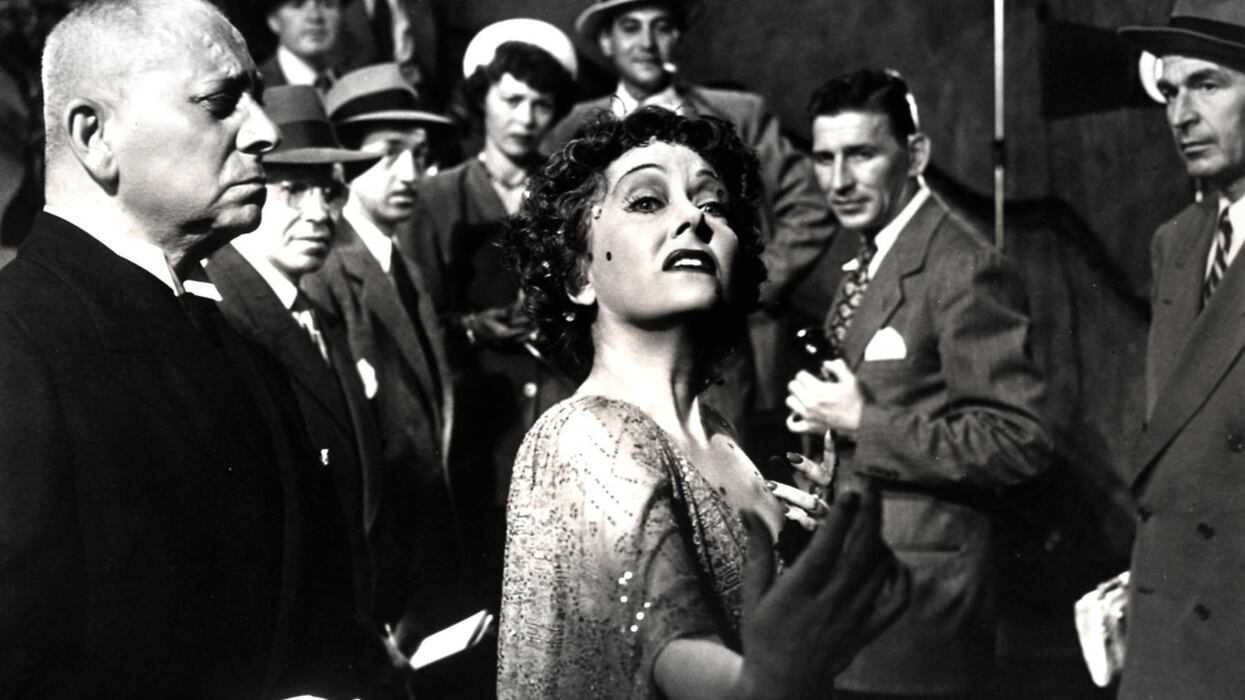
As Norma Desmond (Gloria Swanson) drifts down the staircase of her decaying mansion with her eyes glazing over, in her manic trance, she mistakes the newsreel cameras for Cecil B. DeMille’s film crew. Then comes the line:
“Alright, Mr. DeMille, I’m ready for my close-up.”
These are not just words in a random dialogue—this is the moment the entire film was built towards. Norma’s descent is both psychological and physical; it represents the ultimate disintegration of her brittle psyche and the industry’s vicious desire to throw out the outdated.
Why then, this one line, spoken over 75 years ago, remains so powerfully embedded in popular culture? The answer lies in how it was planned, executed, and eternalized.
This article explains the composition, staging, and delivery of that iconic close-up, as well as the reasons behind its enduring impact.
The Script: Writing a Tombstone for a Career
Wilder, Brackett, and Marshman’s Dark Vision
These words didn’t come out by accident. D. M. Marshman Jr., Charles Brackett, and Billy Wilder set out to write a noir that also served as Hollywood’s own obituary. They sought to expose the brutality of the business behind the glitz—the cynicism, shadows, and silence that engulfed actors when the spotlight faded.
These final words from Norma pretty much boil down the writers’ thesis in a single idea: “Fame is a performance that never ends, even when the world stops watching.”
The Culmination of a Theme
The line is brilliant because it is the last beat of a symphony, not an isolated one. Throughout the movie, Norma maintains the illusion that she is still loved. By the end, reality is completely engulfed by that delusion. While she is getting arrested for murder in reality, in her mind, she is entering a triumphant movie shoot. The line is devastating because it's both grotesque and poetic: her career resurrection exists only inside her madness.
The Genius of “Mr. DeMille”
Here, the name choice is important. In addition to being a well-known filmmaker, Cecil B. DeMille was the mastermind behind Hollywood’s Golden Age, and Norma had previously collaborated with him. The fantasy is sharpened by grounding her delusion in a real person. Her hallucination becomes uncannily real due to the direct connection to history rather than the hazy nostalgia.
Gloria Swanson’s Haunting Metamorphosis
Art Imitating Life
It was both a gamble and a stroke of genius to cast Gloria Swanson as Norma Desmond. Before talkies changed Hollywood in the 1920s, Swanson was a beloved silent star. The performance had a raw, meta edge because of the actor-character parallels. The finale felt less like acting and more like a confession because Swanson was not only portraying Norma, she was also channeling Gloria’s own brush with obsolescence.
The Walk: Choreographing the Delusion
Wilder staged the descent with care. Norma moves slowly and deliberately—almost sleepwalking, without hurrying or stumbling. The audience is locked into her point of view by her unwavering gaze, her eyes wide and consuming.
It has a hypnotic effect, making us feel as though we are part of her delusion. It’s amongst the purest unions of blocking and performance in cinema.
The Delivery: A Whisper to Eternity
The line itself is delivered softly and with uncanny assurance. Swanson’s tone is a combination of grandeur and vulnerability, as if she were simultaneously pleading with Mr. DeMille and giving him orders. It is memorable because of that silence. Had it been a shout, it would have looked theatrical; a whisper made it immortal.
Wilder’s Masterful Finale
The Camera as a Hypnotist
Norma’s insanity is heightened by the cinematography of John H. Seitz. Newsreel cameras show Norma from low, grotesque perspectives, documenting her demise. The slow dolly-in on her face then provides the close-up she has been longing for.
The audience becomes complicit: we are the camera giving her the attention she demands.
Soundscape of a Breakdown
The silence of the onlookers is deafening. The only sounds are the whir of cameras and the crescendo of Franz Waxman’s score; there are no interruptions or conversations from the police. Norma’s line reverberates more forcefully against that stark soundscape, sounding like a voice cut off from reality.
A Theatrical Exist
The mansion is framed by Wilder like a stage. Her spotlight is the staircase, her audience is the police, and her footlights are the dust swirling in the air. She is permanently locked in her own show with the final freeze on her face, which is more than just a cinematic trick.
The Immediate Impact: Shockwaves Through Hollywood
A Mirror Held Up to the Industry
Hollywood insiders wriggled when Sunset Boulevard debuted. The vanishing celebrities, the forgotten screenwriters, and the studios that continued without regret were all unsettling reflections of themselves to stars and executives. Norma was more than just a fictional character; she was a warning story that was too personal.
Critical Reception to an Icon
But critics were captivated. The film noir reached mythical heights with this finale, which was praised for being both brilliant and terrifying. Despite not becoming a catchphrase right away, the line’s reputation gradually increased, solidifying its status as a cultural icon in the decades that followed.
Accolades
The movie won three Oscars: Best Score, Best Art Direction, and Best Story & Screenplay. More than just awards, that recognition was evidence that Hollywood, albeit grudgingly, recognized the sharp genius of a movie that parodied its own system.
The Enduring Legacy
The Ultimate Metaphor
The line outgrew the film long ago; it’s now a cultural shorthand for stepping into the spotlight—sometimes sincere, sometimes ironic. It has been used as a hint at ambition, delusion, or both by politicians, comedians, and cartoonists.
Parodies, Homages, and Pop Culture Permeation
The line has appeared in countless references, parodies, and reimaginings, from The Carol Burnett Show, Arrested Development, and The Simpsons to Soapdish and Andrew Lloyd Webber’s Sunset Boulevard musical. Every usage, whether dramatic or humorous, solidifies its place among the most famous quotes in movies.
Ready for Eternity
The beauty of the line lies in how perfectly it fuses writing, direction, and performance. Widler gave it shape, Seitz gave it immutability, and Swanson gave it soul. Together, they produced a finale that was simultaneously ironic, tragic, and unsettlingly triumphant.
Norma Desmond thought she was finally returning to the spotlight in Hollywood. Actually, what she entered into was something far more enduring. With her final words, she got more than just a close-up from DeMille—she got an eternal close-up from cinema itself, trapped forever in the glow of her own madness.