For many of us, the ultimate goal is to see our name in the credits of a film or TV show. If you're a writer, you know it's one of the hardest creative tasks for a project. You have to come up with everything out of thin air. And it's so much fun.
But what they don't tell you about is the hours you'll spend alone in your pajamas, staring at a blinking cursor, wondering if anyone will ever read what you're creating. All that creative pressure is on you. Maybe you don't actually want to do this anymore.
I've been there, too.
A Lot of Writers Get Lonely
"Writing is a lonely business. As a writer once said, 'It's like volunteering for solitary confinement without knowing the length of your stay,'" Karl Iglesias wrote for Script Mag.
Iglesias spoke with several writers who talked about the isolation that comes with the craft.
"I loved it for the first few years, where I had total control of my time without anybody telling me what to do. But I still haven’t figured out how to strike a balance between spending enough time by myself to produce a better grade of work versus not becoming a hermit," Leslie Dixon told Iglesias.
Unlike novelists, who usually expect to work in isolation, many screenwriters are surprised by the solitude. After all, screenwriting is supposed to be collaborative. You've been hearing all about writers' rooms and breaking stories together, right? You're creating blueprints for teams of people to bring to life, aren't you? Where is everybody?
But the actual writing often happens alone.
The Lonely Creative Bubble
The isolation hits hardest when you're working on spec scripts or personal projects. As screenwriter Collin Watts told Film Courage, "Sometimes as writers, we can get in a little bit of a bubble. We can get in our own little creative bubble where we're making these things and not getting them out there to the world."
The psychological toll of this isolation is real. According to a study by the University of Glasgow, writers are more predisposed to mental illness compared to others, with higher rates of anxiety and depression.
"Many spouses of writers understandably complain that we’re not living in the present," Tom Schulman told Iglesias in Script Mag.
Understanding the difference between productive solitude and harmful isolation is important. As professionals explain on The Creative Penn, solitude is intentional and regenerative—you're alone to focus and create. Isolation is when that solitude becomes a lonely trap.
So how do you survive it?
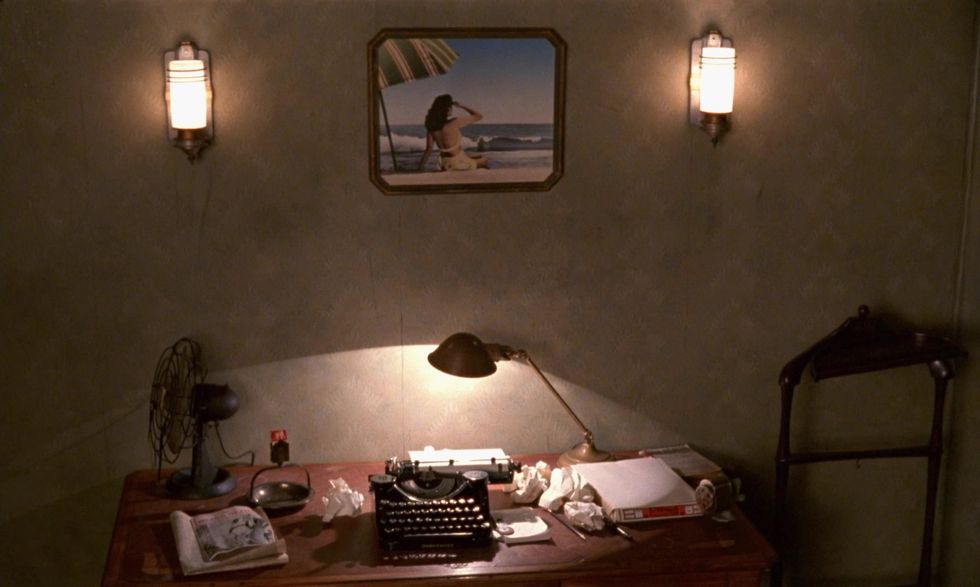 Barton Fink Credit: 20th Century Studios
How to Survive as a Lonely Screenwriter
Here are practical strategies to maintain your mental health and creative output while working in isolation.
- Schedule social time like script deadlines. Block out specific hours each week for human interaction. Go to the movies or a yoga class, for example, on a day that works every week.
- Work in public spaces occasionally. Coffee shops, libraries, or coworking spaces provide human energy, usually without requiring conversation. Sometimes all you need is to make eye contact or share a smile with someone, then you feel "normal" again.
- Join or create a screenwriters' group. A small group of even just two or three writers meeting regularly can provide accountability and human connection.
- Use technology to stay connected. Participate in online screenwriting communities, Discord servers, or virtual coworking sessions where writers work "together" while apart. Writers' Hour is one option. Sometimes the WGA holds these, too.
- Set boundaries between work and time off. When your writing session ends, transition back into personal time. This is good advice for any job, so you don't just keep working. Turn off that computer when your day is done, call a friend, run errands, or go for a walk.
- Wear multiple hats. Watts used this phrase with Film Courage. He suggested getting into producing, too, or other aspects of a project that would allow more in-person involvement. This won't be for everybody, but it's a good option to diversify your work.
- Attend industry events and meetups. Conferences, film festivals, screenings, and local film society gatherings remind you that you're part of a larger creative community.
Let us know how you survive as a lonely writer.