'The Wizard of Oz' Is Going to Make $1 Billion at The Sphere
The Las Vegas showcase might work best as a movie theater.
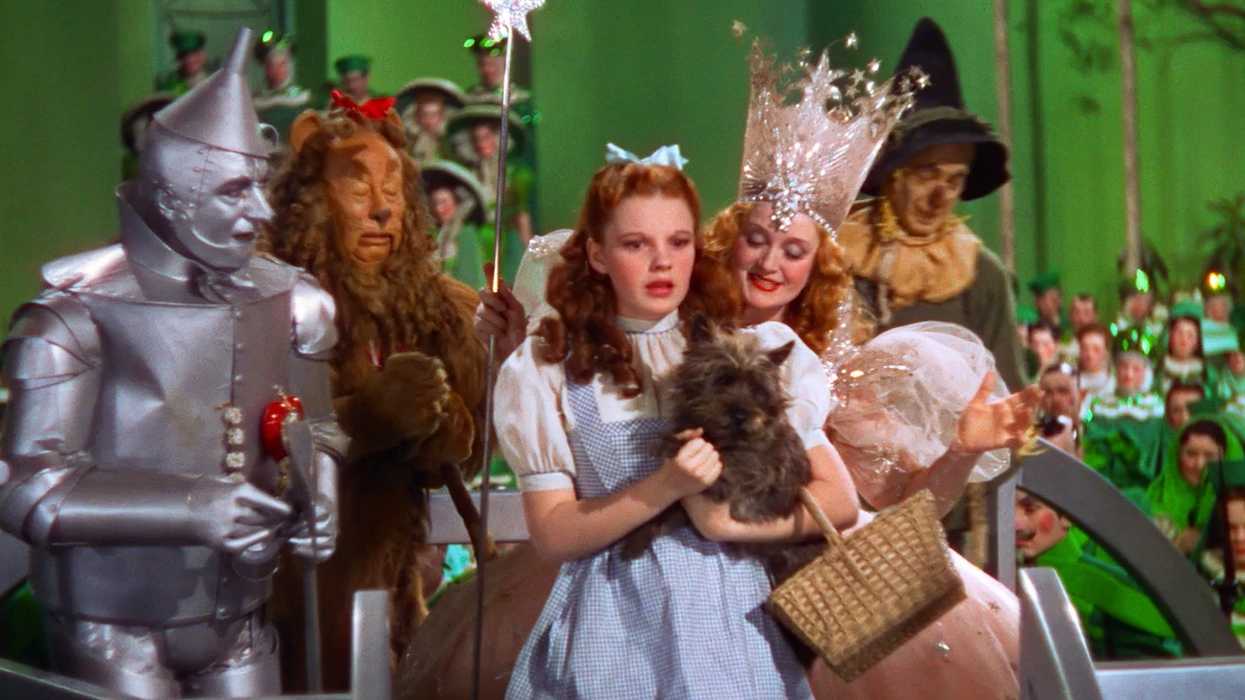
'The Wizard of Oz'
When you drive into Las Vegas from Los Angeles and crest over the desert, the Sphere is one of the first things you can see at night. Its neon lights light up the night with whatever it's advertising that night.
Lately, it's been the highly profitable Wizard of Oz show that's completely redefining what we thought of the venue and how it makes money.
Let's dive in.
- YouTubewww.youtube.com
The Wizard of Oz at the Sphere
We've covered this in the past, but The Wizard of Oz was edited and is showing at The Sphere as part of a special event that equates to like a 4D showing of the movie.
According to Bloomberg, the show is playing two or three times a day. It’s pulling in 4,000 to 5,000 people per showing, with fans dropping an average of $200 a ticket.
That’s up to $2 million a day. From one screen. Playing a movie from 1939. And with its release stretching into the fall, that means this single movie could gross over $1 billion before it's done.
How? Because the business model is completely different.
When U2 or The Eagles play the Sphere, they take home almost all the ticket revenue. That’s the deal. The venue gets a cut, but the artist is the main draw.
But with movies? The Sphere keeps most of the money.
Analyst Peter Supino from Wolfe Research estimates the Sphere will pull in $200 million from concerts this year, but a whopping $400 million from movies. And the profit margin on those movies is a staggering 70%.
So maybe the future of the Sphere is as a movie theater and not a concert hall.
Give them Something They Don't Have at Home
So, how do you get thousands of people a day to pay premium prices for a movie they can stream for five bucks?
You don't show them a movie. You strap them into a theme park ride.
Sphere CEO James Dolan and his team spent nearly $100 million—the budget of a modern blockbuster— adapting the film to be played there. They licensed it to David Zaslav at Warner Bros. and then got to work.
First, they chopped it up. The Sphere version runs a lean 70 minutes, so if you're in Vegas, it won't take up your whole day.
This isn't passive viewing. It’s a full-on sensory assault.
The highest resolution screen in the world wraps around you. The sound system makes you feel the vibrations in your bones. The seats can shake. Wind blows via huge fans. And there are lots of other immersive elements to keep people entertained.
The "Forever" Franchise Model
The Sphere model is built on tourism. Las Vegas has a constantly replenishing audience. As Supino noted, most people can't see this thing until they get to Vegas, and that might be every four years. The audience is always new.
This transforms intellectual property. A movie like The Wizard of Oz is no longer a film you release; it's an asset you install. It's a permanent ride.
They're already in the market for more. Dolan is talking to Warner Bros. about Harry Potter. He's talking to Disney about Star Wars. Imagine dropping into the trench run on the Death Star in that thing. Or flying on a broomstick over Hogwarts.
This is a new format.
And as much as I hate the idea of AI adding to scenes or performances and characters, I cannot argue with the profit this stuff can turn in, especially with the huge titles they've considered moving forward.
Summing It All Up
The Sphere is printing money showing movies, and it might be a clue as to how Hollywood can bring people back to the theatrical experience.
If nothing else, it should be a successful trend that continues as other spheres are built around the world.
Let me know what you think in the comments.