Tom Holland's On-Set Injury Highlights the Risks Stunt Performers Face
And why their new Oscar matters.
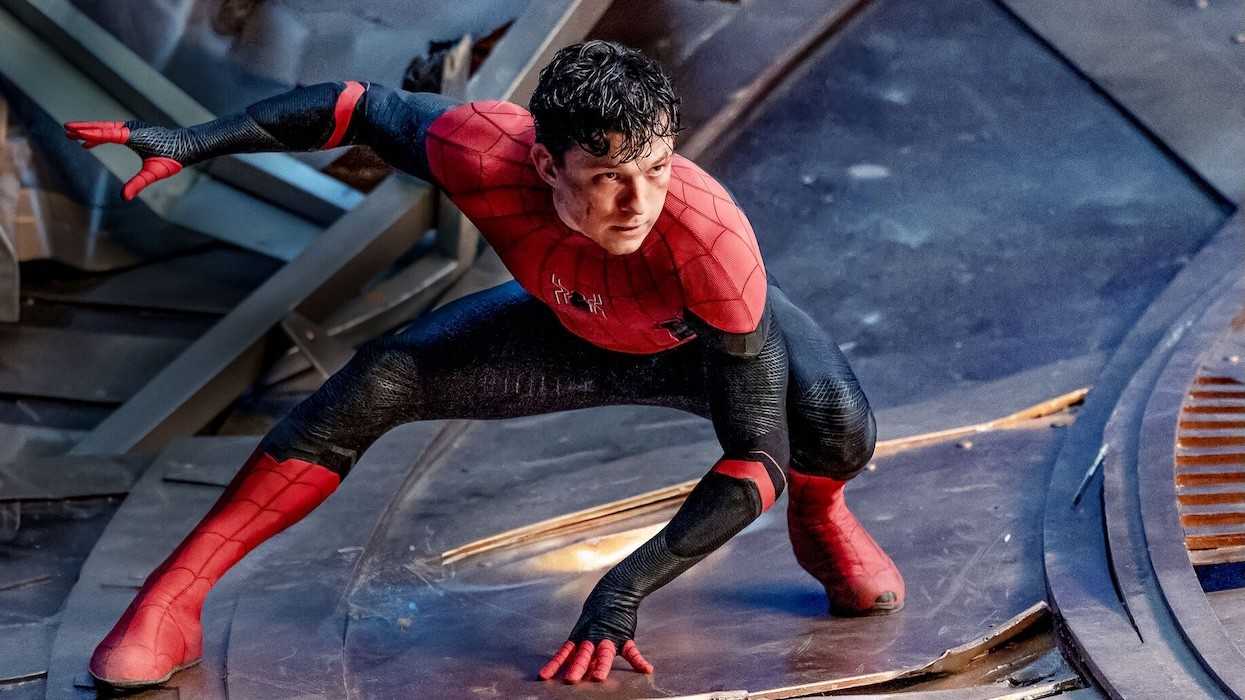
Spider-Man: No Way Home
Tom Holland suffered a mild concussion on Friday while filming Spider-Man: Brand New Day in Scotland, an incident that stopped production. According to The Hollywood Reporter, Holland was injured in a stunt that went wrong.
Holland's injury is relatively minor. He even attended a charity event with fiancée Zendaya over the weekend, per Parade. But this is a reminder that every time we watch Spidey swing, real humans are putting themselves in danger.
Just this past April, the Academy of Motion Picture Arts and Sciences finally announced it is establishing an Achievement Award for Stunt Design. The award won't be presented until the 100th Academy Awards in 2028.
There was a big push for this recognition throughout the industry, including film critic circles. One leading voice was director and producer David Leitch, who started as a stunt performer and transitioned to directing.
In a statement to Variety, he said stunt professionals "have played a crucial role in shaping the cinematic experience, often putting their bodies on the line to bring unforgettable moments to the screen."
According to the Associated Press, there were almost 200 serious accidents on U.S. television and movie sets between 1990 and 2014, including at least 43 fatalities. From 1980 to 1990, there were 37 deaths tied to stunt accidents, and 24 of them involved the use of helicopters.
But stunt work is artistry, along with just being straight-up dangerous. A great action sequence can reveal character and motivation just as well as dialogue. As IndieWire notes, the new stunt Oscar will really become an award for best action design and how stunts fit the storytelling.
Despite this, for decades, stunt performers have been mostly overshadowed. The industry has honored them occasionally—the Academy gave Yakima Canutt and Hal Needham Honorary Academy Awards in 1966 and 2012, respectively, for their work—but these were the exceptions.
Meanwhile, the Screen Actors Guild added stunt ensemble awards in 2007, and the Emmys have been recognizing stunt coordination for years.
The Academy's recognition comes roughly a century after stunt work became essential to filmmaking.
Video shows how impressive John Wick stunt scene is filmed www.youtube.com
Resources for Independent Filmmakers
For independent filmmakers planning action sequences, safety should be the priority.
SAG-AFTRA requires stunt coordinators on any production with hazardous stunts, even on low-budget films. The union's Stunt & Safety Department can help producers determine if their script requires professional coordination.
For productions that can't afford top-tier coordinators, resources like Stage 32's indie filmmaker guide to safe stunts offer practical advice on testing stunts, using camera angles creatively, and working within budget constraints.
Regulations will vary by state. The California Film Commission's production safety page provides state-specific regulations and contacts for safety coordinators who can advise on everything from pyrotechnics to fight choreography.
Remember, SAG-AFTRA's Standards and Practices for Stunt Coordinators require coordinators to take "any appropriate actions necessary to ensure the safety of performers or others on the set."
As filmmaker Steven Spielberg said, "No movie is worth dying for."