As a screenwriter, I can tell you that writing an adapted screenplay is no easy feat. You have to seek out the heart and soul of the source material and then be merciless when it comes to bending and tweaking it so it can fit the big screen.
Sometimes, you can get lost doing that.
That's why I created this checklist for writers to use when creating an adapted screenplay.
Let's dive in.
The Adapted Screenplay Checklist
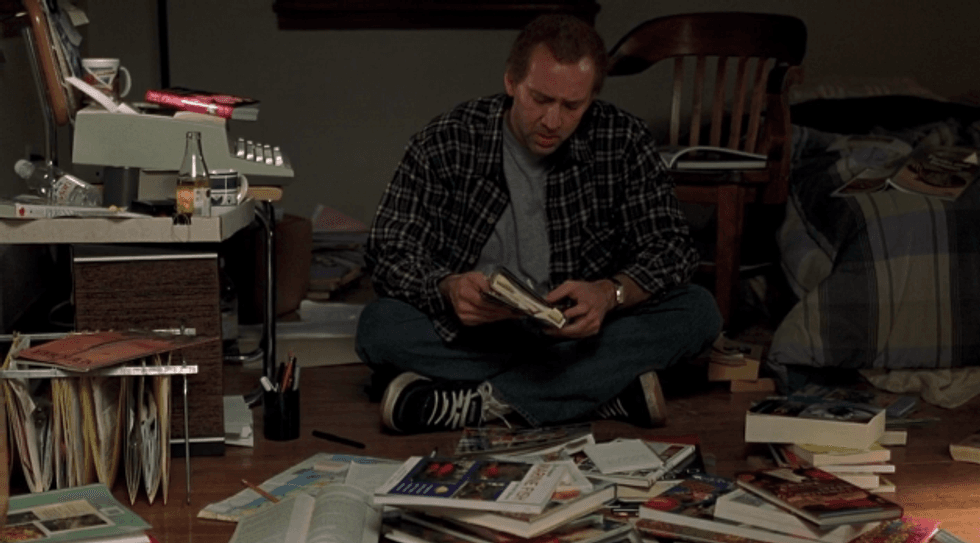 'Adaptation'CREDIT: New Line Cinema
Phase 1: Deep Analysis & Deconstruction
Before you type a single word of the script, you must become the ultimate expert on the source material.
- [ ] Secure the Rights: This is the legal prerequisite. Have you optioned or acquired the rights to adapt the book? Do not proceed without this.
- [ ] Read the Book (Multiple Times):
- First Read: For pleasure. Experience the story as a reader would. What did you feel? What moments stuck with you?
- Second Read: For analysis. With a pen and notebook, identify key elements.
- Third Read: For structure. How does the author pace the story? Where are the turning points?
- [ ] Identify the Core Essence: In one or two sentences, what is this story about? What is the central theme or message?
- [ ] Deconstruct the Protagonist:
- What is their primary, tangible goal (their WANT)?
- What is their subconscious need (the lesson they must learn)?
- What is their fatal flaw?
- What is their ultimate character arc from the beginning to the end of the story?
- [ ] Map Key Characters & Relationships:
- Who is essential to the protagonist's journey (antagonist, mentor, love interest, sidekick)?
- What is each character's dramatic function?
- Are there characters who can be combined or cut to streamline the narrative?
- [ ] Distill the A-Plot: Identify the main causal chain of events. What are the 5-10 "load-bearing" story beats that the entire story rests on?
- [ ] Evaluate Subplots: Which subplots are essential to the core theme and character arcs? Which can be simplified or removed for a 2-hour runtime?
- [ ] Identify Cinematic Moments: What are the most visual, emotionally resonant, and high-impact scenes in the book? Think set pieces, powerful confrontations, and visually symbolic moments.
- [ ] Define the Tone & Genre: Is it a dark thriller, a comedy, a gritty drama? The tone of your screenplay must be consistent.
Phase 2: Structuring & Outlining
This is where you stop thinking like a novelist and start thinking like a filmmaker. You're building the blueprint.
- [ ] Choose Your Structure: While not rigid, the Three-Act Structure is the industry standard. Map the book’s key events to this framework:
- Act I: The Setup, Inciting Incident, Break into Act II.
- Act II: Rising Action, Midpoint (a point of no return), "All is Lost" moment.
- Act III: Climax, Resolution.
- [ ] Externalize the Internal: A novel can spend pages on a character's internal thoughts. How will you show this visually?
- Through action?
- Through dialogue with another character?
- Through a visual metaphor?
- (Use voice-over and narration sparingly and with clear intent).
- [ ] Condense the Timeline: A book can span decades. Does your film need to? Can you condense the timeline to increase urgency and momentum?
- [ ] "Kill Your Darlings": That beautifully written chapter of backstory? That beloved minor character? If it doesn't serve the cinematic A-plot or core theme, be prepared to cut it.
- [ ] Invent Bridging Scenes: You will need to create new scenes that weren't in the book to connect key plot points, externalize a character's decision, or make a relationship clearer.
- [ ] Create a Beat Sheet or Treatment: Before writing the script, create a detailed, scene-by-scene outline (a "beat sheet"). This document should describe the action and emotional point of every single scene in your movie. Get feedback on this before you start writing pages.
Phase 3: Writing the First Draft
The goal here is momentum. Get the story down on the page in screenplay format.
- [ ] Focus on "Show, Don't Tell": Write what we can see and hear. Action lines should be concise and evocative. Avoid explaining what a character is "thinking" or "feeling."
- [ ] Craft Cinematic Dialogue:
- Is it shorter and punchier than the book's dialogue?
- Does it reveal character and advance the plot?
- Does it have subtext? (Characters rarely say exactly what they mean).
- Have you cut long monologues and exposition dumps?
- [ ] Adhere to Standard Screenplay Format: Use industry-standard software (like Final Draft, Celtx, or Scrivener). Proper formatting is non-negotiable.
- [ ] Keep the Pace Moving: Every scene should feel necessary. Ask yourself: Does this scene turn on a character's choice or a new revelation?
- [ ] Trust Your Blueprint: Stick to your beat sheet. It’s your map through the wilderness of the first draft.
- [ ] Don't Edit As You Go: The single most important goal is to get to "FADE OUT." Give yourself permission to write a messy first draft. Just finish it.
Phase 4: Revision & Polishing
The real writing is rewriting. This is where you elevate the draft from a collection of scenes to a cohesive story.
- [ ] Take a Break: Step away from the script for at least a week. You need to return with fresh eyes.
- [ ] Read It Aloud: This is the best way to catch clunky dialogue, awkward phrasing, and pacing issues.
- [ ] Check Back with the "Spirit" of the Book: Have you stayed true to the core essence you identified in Phase 1? Does it feel like the source material, even if plot points have changed?
- [ ] Strengthen the Arcs: Is the protagonist's emotional and psychological journey clear and compelling from beginning to end?
- [ ] Tighten Everything:
- Can you enter scenes later and leave earlier?
- Can you cut a line of dialogue and say it with a look?
- Can you trim action lines to their bare essentials?
- [ ] Get Feedback: Give the script to 2-3 trusted readers (preferably other writers or people who know film). Ask them specific questions about character, plot, and pacing.
- [ ] Proofread Meticulously: Check for typos, formatting errors, and grammatical mistakes. A clean script is a professional script.
- [ ] Write a Logline: Once it's polished, write a one-sentence summary of your film.
Summing It All Up
I love to have a checklist to make sure I've honored all the complex steps of writing an adaptation. It can help you stay on task and make a calendar of goals you have for writing.
But at the end of the day, the basic step is just to open your screenwriting software and get your ideas out of your head and onto the page.
Let me know what you think in the comments.
- How to Write an Adapted Screenplay ›
- 7 Best Stephen King Movie Adaptations ›
- 10 Best Film Adaptations of Classic Stage Plays ›
- That Broken Vase in ‘Atonement’ Means More Than You Think | No Film School ›
- From Book to Big Screen: Rebecca Sonnenshine’s Adaptation Playbook ('The Housemaid', 'The Boys') ›
- The Logistics of Chaos: Directing 'Lord of the Flies' With 36 Child Actors With Marc Munden ›