Christopher Nolan is a filmmaker who operates on his own terms. From in-camera spectacle to fractured timelines, his process is as dissected and debated as his films. But beneath the layers of complexity and blockbuster scale lies a fundamental approach to storytelling that any filmmaker can learn from.
In a recent discussion about his masterful biopic Oppenheimer, Nolan shared core insights into his process, from the blank page to the final cut. His philosophy is a masterclass in prioritizing character, trusting your material, and respecting your audience.
So, I wanted to take four key lessons away from this that you can bring to your next project.
Let's dive in.
- YouTubewww.youtube.com
Christopher Nolan's Subjective Lens
Before we get into all that, I wanted to go over these Nolan quotes. They came from the website called The Talks, and an interview about his recent work, including Oppenheimer.
First, when asked about casting his project, Nolan said:
"When I am writing scripts, I try to be very disciplined and not think about actors. If you are writing to an actor, you are imagining things they have already done. So I think a script stage is very important to write the character in a more pure way, particularly in the case of a real life figure like Oppenheimer, you are able to write with the real historical person in mind and not think at all about how this is going to come to life and who you are going to get to play the part. But then once I finish the script, I sort of knew who can do this role. My friend Cillian [Murphy] who I have worked with for 20 years, I’d known since I very first worked with him, I screen tested him for Batman on Batman Begins. It was very clear to me that he was one of the great talents, one of the greatest actors. And so this made complete sense to me."
When asked to clarify what he meant, Nolan doubled down, saying:
"Well, what I am looking for in the performance, which is what I tried to put in the script, is intense subjectivity. I really want the audience to experience the events of the film through Oppenheimer’s eyes, I want them to be in his head, rather than creating a judgment of him. And so for me, the end of the film is about having developed an understanding of who he is, perhaps why he did some of the things he did, finishing that story and then the resonance of the story is finished, I think it should leave you with some troubling questions. There are some things that you perhaps reassess about what you have seen and what you have experienced."
Nolan doesn't add messages to his movies. he wants them to be viewed and personalized by the audience, not by himself.
When asked about this subjectivity, he said:
"I think to be too specific about a message, or feeling that we had the answers to these difficult questions, I don’t think that’s what dramatic features and cinema thrives on. I think they thrive on ambiguity and complexity and I want to view his story as a Rorschach test, as something that people will interpret in their own way. That’s what attracted me to this story in the first place was the complexity of it, the difficult questions that it asks. So, no, I did not intend any specific message. We are not making a documentary or advocacy. I think that cinema does not work well when it’s didactic, when it’s telling people what to think — I think audiences are naturally resistant to that."
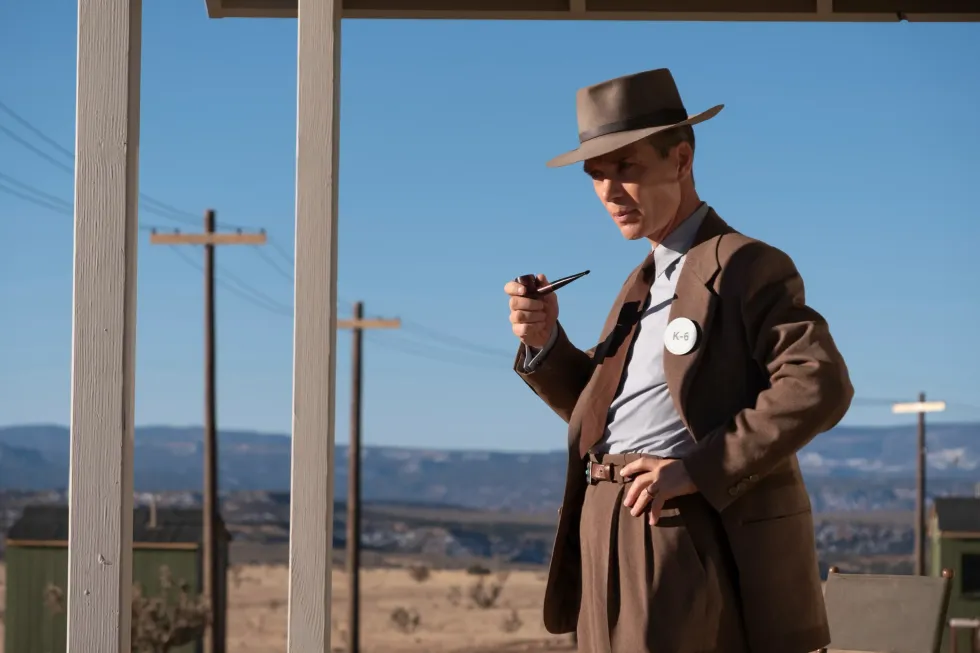 'Oppenheimer' Credit: Universal Pictures
Writing Lessons From Christopher Nolan's Stance on Subjectivity
So, what can we learn from this stance?
1. Write in a "Pure Way"
It’s a tempting trap for any writer-director to start crafting a character around a specific actor’s energy, voice, and mannerisms. But instead, try discovering the character from the ground up. Focus entirely on the person on the page, not the actor you want. Who are they? What do they want? What haunts them? By building a character in this "pure way," you create a richer, more authentic foundation for the actor to embody, instead of vice versa.
2. Let the Finished Script Guide You
So, if you’re not writing for an actor, how do you find the right one? For Nolan, the answer reveals itself only after the script is complete. Trust your screenplay. When you meet the right actor, they will resonate with the material in a way that feels undeniable to both of you. Keep a mental catalog of actors whose talent impresses you, and when you’ve written a role that truly challenges them, you’ll know.
3. Craft an "Intense Subjectivity"
Nolan’s goal with Oppenheimer wasn't to create a standard historical document. He wanted to plunge the audience directly into his protagonist's psyche. Before you shoot a single frame, define your film's point of view. What does our character want in each scene and what will they do to get it. You don't want to judge them, you want to remain objective to their subjectivity, and just show their reasoning.
4. Don't Send a Message, Ask a Question
Nolan actively resists the idea that a film should deliver a clear-cut message. Instead of providing answers, his film is designed to leave you with "troubling questions," forcing you to reassess what you've just experienced.
He does this because he trusts the audience to watch something morally complex and interesting and formulate their own opinions. Let the story be the catalyst for conversation, not the final word. Create a Rorschach test, and you’ll make a film that people don’t just watch, but carry with them.
Summing It All Up
Christopher Nolan is one of the greatest writer-directors working today. He's inspiring, and he cares so much about craft; it's a joy hearing his advice and then trying to pull it apart.
I see his ideas on subjectivity as a challenge to all filmmakers to really dig into their projects and decide what's going on inside the characters we put on the screen.
Let me know what you think in the comments.