In Walter Mosley’s haunting psychological thriller, The Man in My Basement, the line between reality and imagination blurs inside a claustrophobic Sag Harbor home. Bringing those layered characters to life meant grounding them in a visual language that feels both period-accurate and emotionally resonant.
Costume designer Lynn Ollie took on the challenge of rooting the story in the 1990s while weaving in subtle details that reflect class, identity, and transformation.
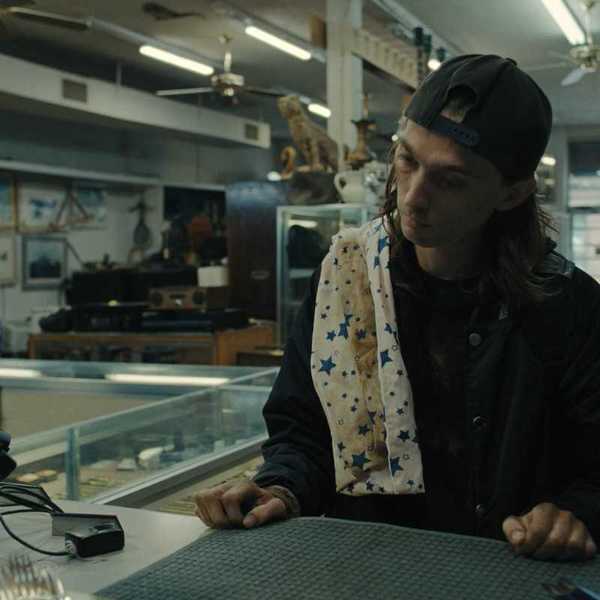
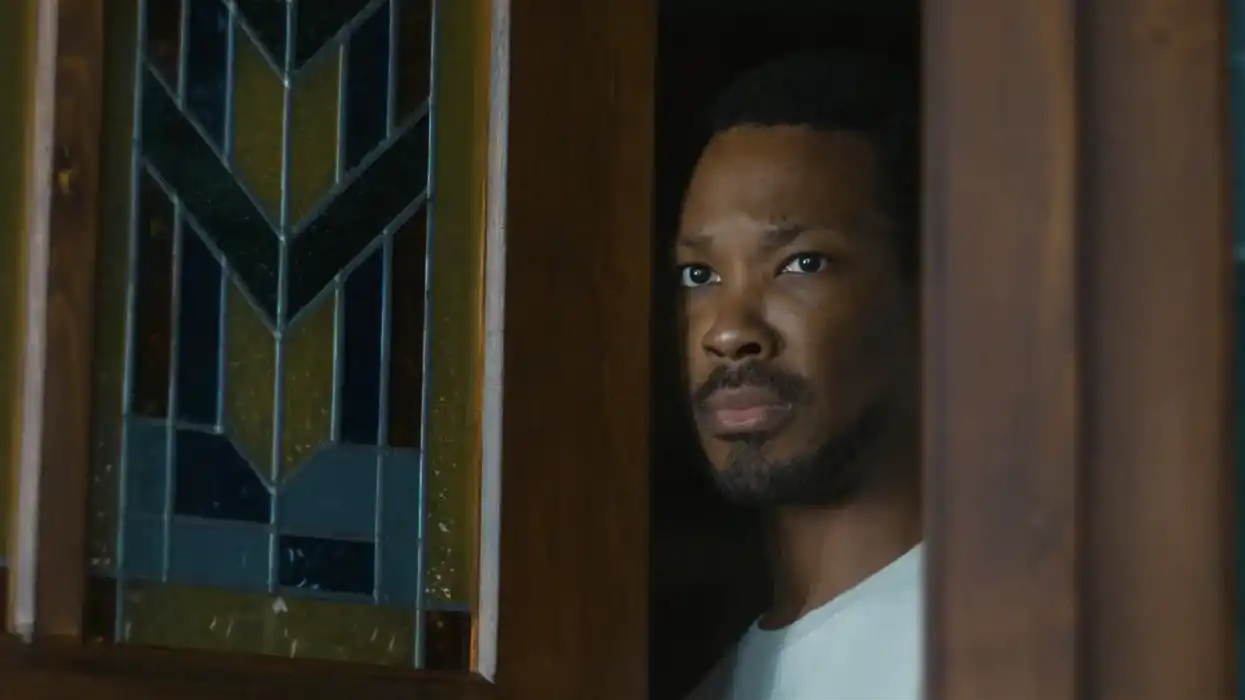
She explains, “Charles (Corey Hawkins) starts out as the odd man out, a dash of grunge, and possibly living out of a pile of clothes on his floor. As he starts to come back to life, he experiments with a more put-together look and even tries some of his father’s old suits. That was written in the book, and it’s such a great way to see Charles try to figure out being a man again.”
In the conversation below, Ollie breaks down her creative process, from her early inspirations to collaborating with director Nadia Latif, and reveals how wardrobe became an invisible yet vital force in shaping the film’s unsettling atmosphere.
The Man in My Basement is now streaming on Hulu.
- YouTubewww.youtube.com
No Film School: What prompted you to become a costume designer? What was the first film where you really noticed the wardrobe?
Lynn Ollie: I studied fashion design in school, and I have always been interested in clothing as a means of self-expression. I moved from fashion design to being an assistant stylist at VH-1. I met a makeup artist there who knew a costume designer looking for an assistant, and things took off from there. The first time costumes really made an impression on me was probably The Wiz. Michael Jackson’s costume in that was so incredible, and there’s this wonderful scene where all the people in OZ’s clothes change color because the Wiz changed his mind.
NFS: How did you become involved with The Man in My Basement, and what excited you about the project from a costume design perspective?
LO: I am a huge Walter Mosley fan, and I was thrilled at the opportunity to design a film based on one of his books. From a costume design perspective, designing a project set in the '90s was an exciting challenge. How do we sell the period while keeping the characters grounded and feeling real?
 Lynn Ollie on the set. Credit: Projection PR
NFS: What were your first conversations with director Nadia Latif like about the overall look and tone of the costumes?
LO: Nadia is such an intelligent woman, and she has an incredible visual vocabulary. I started with reference images for the main characters. We had a great time discussing all of the references and creating these people. Nadia gave me great direction in terms of the tone and even how the film would be shot, so we could make sure the colors of the costumes would work.
NFS: The film has strong psychological and horror elements. Did you approach the costumes with genre in mind, or were you more focused on character realism?
LO: I was really focused on realism. I felt strongly that with a story that is kind of fantastic and plays with your imagination, making the characters feel as real as possible would help keep the audience in our world.
 Costume Design BTS Credit: Projection PR
NFS: How did you use costume to reflect the main character’s inner transformation over the course of the story?
LO: Charles starts out as the odd man out, a dash of grunge and possibly living out of a pile of clothes on his floor. As he starts to come back to life, he experiments with a more put-together look and even tries some of his father’s old suits. That was written in the book, and it’s such a great way to see Charles try to figure out being a man again. By the end, he is still Charles, but a lighter version of himself.
NFS: Were there specific wardrobe choices that symbolized themes of class, power, or identity in the film?
LO: Yes, for Anniston, Willem Dafoe’s character, I used solid rich tones and almost no pattern, which is a contrast to Charles‘ layers and patterns. Narciss’s love of history is represented by vintage elements like her patchwork jacket and '70s-style wrap dresses.
NFS: The story is rooted in claustrophobia and unease. Did you intentionally design clothing to enhance that tension—like restricting movement, texture, or color?
LO: I went with a very naturalistic approach, so I didn’t play with restricting movement very much. For Charles, I think the way I communicated some of that unease was in his color palette, which was all kinds of ‘off’ colors that had a muddy feel to them, like mustard, rusty reds, and olive.
NFS: How much did location—the basement itself—influence your costume choices?
LO: The basement was a whole character! Kathrin, our Production Designer, Ula, our Director of Photography, and Nadia, our director, created this really layered space with lots of shadows and creepy dark corners. I was very mindful of what the costumes needed to be down there for each scene. The first time the men are there together, they are a bit in sync, and then we play with how they relate to one another and the space from there.
 Lynn Ollie Credit: Projection PR
NFS: Was there a particular costume that was especially challenging to design or source?
LO: I was truly blessed by the costume Gods on this one. I had an incredible team that helped me buy and rent costumes from all over, some of which I brought with me from Los Angeles to Wales. I also brought the fabric for Willem’s ‘pajamas’ with me, and again, thanks to an incredible team, was able to make those in Wales.
NFS: Are there subtle costume details that audiences might not consciously notice but play into the film’s atmosphere?
LO: Each character has their special touches. For example, Charles has pieces that speak to his roots, like his old work jacket and fisherman’s sweater (a nod to Sag Harbor’s maritime history). Ricky has the most hip-hop flavored pieces like Timberland boots and a Kangol cap because he would be the one that goes clubbing in the city. Irene has some pieces that have an Asian and an African flair to denote that she is worldly and well-traveled. Anniston’s look is classic and expensive, but almost anonymous because he has no roots and no history.